Why Social Distancing Is Essential to Stopping the Spread of Coronavirus
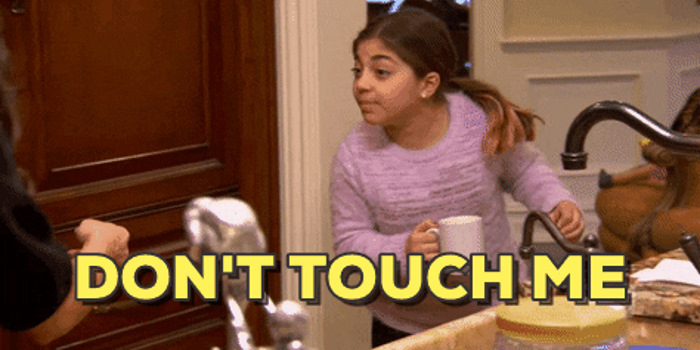
Experts are urging it to combat coronavirus outbreak.
As cases of coronavirus continue to rise in Australia, measures are being taken to limit transmission. Employees are being informed they'll have to work remotely, there's a ban on all non-essential gatherings, and people entering the country will have to self-isolate for 14 days.
These restrictions have all been put in place to prevent the spread of COVID-19, and one of the most important recommendations from health authorities is to implement social distancing.
What is social distancing?
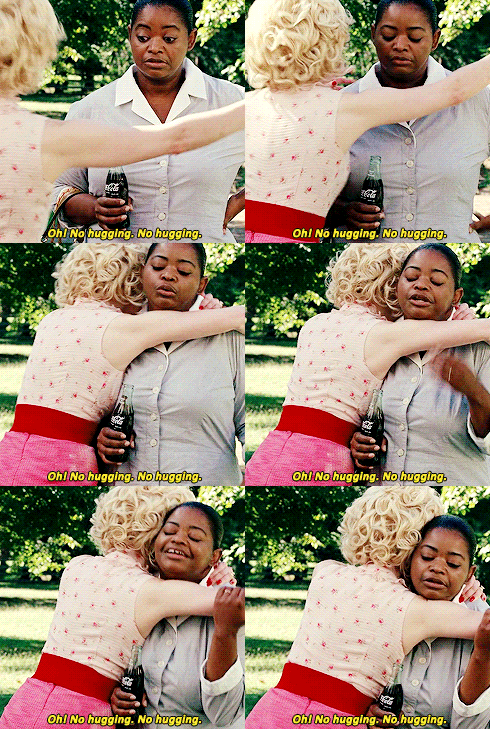
Good question. Social distancing means that, where you can, you should keep 1.5 metres away from other people. If you're the type of person who will often give someone a hug to greet them, we're sorry to inform you that it's probably best you stop doing that right now. It's also time to rethink handshakes and kisses on the cheek.
Given that you'll need to keep your distance from others, it's also suggested that spending time in enclosed spaces is limited. You shouldn't stop seeing other people completely if you're not sick, but be wary of keeping your distance. And you definitely shouldn't be interacting with anyone elderly or with a compromised immune system.
Of course, you can still go to work, school and use public transport to get around. Plus, if you're out of toilet paper, there's nothing stopping you from heading to the grocery store to get some (if you can find any).
Why do we need social distancing?
While coronavirus is mostly mild for young and healthy people, it can be severe for vulnerable members of the community. This includes those over the age of 60, and people with chronic conditions such as kidney disease, cancer, asthma or high blood pressure. That's why it's so crucial to employ social distancing and good hygiene, to stop them from catching it.
The problem is: you might not realise just how easily it can spread. Even if you think you're being hygenic, there's a chance that you're not.
Instead of us trying to explain, let this scene from Scrubs illustrate it for you.
Yeah, it's gross. But now you get the point.
What's the difference between social distancing and self-isolation?
You're probably hearing these terms thrown around in the news a lot. Even though they sound like they could be used interchangeably, they're actually two separate things.
Self-isolation is reserved for people who are already sick and showing symptoms. It aims to prevent an individual with COVID-19 from spreading the sickness to other healthy people. If you're self-isolating, you must stay totally away from others and any public spaces.
On the other hand, social distancing is more of a precaution to slow the spread of coronavirus. For example, schools in New South Wales are planning to scrap school assemblies, plays and concerts as of this week.

While social distancing won't entirely get rid of coronavirus, it's a vital step in mitigating the impact of the pandemic.
Perhaps this is a good time to start practising your wave.

Read More:
What to Do If You Think You Might Have Coronavirus
What Does Self-Isolation Actually Mean? (Like, Can I Still Go to the Shops?)
Why Schools Are Staying Open (For Now)
Want to Avoid Getting the Cold or Flu? Stop Touching Your Face!
Don’t Snooze On Podcasts: 8 Recommendations While You Self-Isolate
Podcast: Everything You Need to Know About Coronavirus (and a Few Things You Didn't)
Header Image: Bravo
Topics
Ref: 00fd0174-3f84-4079-bcde-ab800072a11e


Most Popular



Comments & Feedback
Share your opinion
Emoji cheatsheet Formatting Comment guidelines
Oh no. It has come to do this.