What to Do If You Think You Might Have Coronavirus
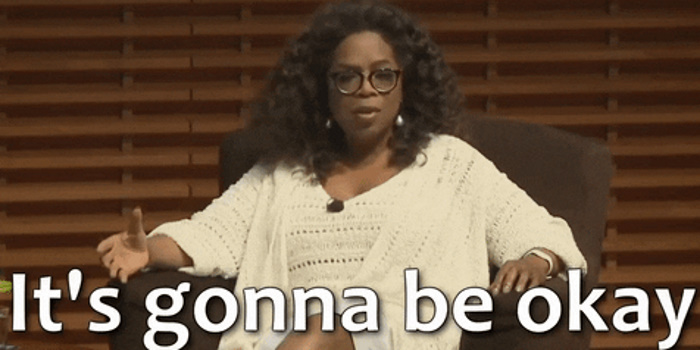
It's important to stay calm.
With more and more coronavirus cases being confirmed in Australia every day, it's only natural to be concerned about catching it. You might even begin to wonder: What would I actually do if I got it?
It's not the nicest situation to contemplate, but it's essential that we're prepared so we don't pass the virus onto other, more vulnerable members of the community.

What symptoms should I look out for?
The symptoms of coronavirus are somewhat similar to a cold or flu. You can expect to develop a fever, cough, sore throat and runny nose. Some people can also have shortness of breath, nasal congestion or diarrhea.
Not everyone experiences the same symptoms when they catch COVID-19. In fact, some people report that they didn't even realise they were sick because their symptoms were so mild.
Young and healthy people usually have mild symptoms, while the elderly and people suffering from conditions like kidney disease, cancer, asthma or high blood pressure are more likely to develop more severe complications like pneumonia. That's why it's so crucial to implement social distancing to protect those who are vulnerable.

Where should I go if I have symptoms?
If you do have the above symptoms and think there's a possibility you may have coronavirus, you should seek medical attention straight away and begin to self-isolate as a precaution. This is absolutely vital, especially if you were overseas in the 14 days before showing symptoms, or if you've been around someone who has tested positive for the virus.
The first thing you should do is call the coronavirus health information hotline on 1800 020 080. It's operating 24 hours, seven days a week and they'll inform you whether you should go to your GP, a pop-up clinic or a hospital.
If you do need to see a GP, make sure you call ahead to explain your symptoms and travel history, so they can prepare properly for your appointment.

Should I get tested?
Even if you think you have coronavirus, there's a chance you might not get tested. Aussie doctors are running out of test kits, so there's now strict criteria that you must meet.
To be tested, you'll have to have returned from overseas in the 14 days before you became unwell, or you'll have to have had contact with a confirmed COVID-19 case during that period. Furthermore, you'll need to have a fever or an acute respiratory infection.
A doctor may also order you to be tested if you have a severe community-acquired pneumonia without an obvious cause, or if you're a healthcare worker with direct patient contact and have a fever along with symptoms like shortness of breath, a cough or a sore throat.
If a medical professional believes you definitely need to be tested, you will be, so it's best to leave it up to them.

Try your best not to panic.
If you're stressed about getting coronavirus, that's entirely understandable. But remember: for most people, the risk of becoming seriously ill from the virus is thought to be low. As long as you're following a medical profesisonal's advice, you should be back on your feet in no time.
Of course, COVID-19 is contagious before you show symptoms, so it's expected that you'd be anxious about passing it onto others. If you think you might have it, alert those people and make sure they also monitor their symptoms.
For everything else you need to know about coronavirus, you can check out our special 15 minute episode of You Have To Stan.
Read More:
Why Social Distancing Is Essential to Stopping the Spread of Coronavirus
What Does Self-Isolation Actually Mean? (Like, Can I Still Go to the Shops?)
Why Schools Are Staying Open (For Now)
Want to Avoid Getting the Cold or Flu? Stop Touching Your Face!
Don’t Snooze On Podcasts: 8 Recommendations While You Self-Isolate
Podcast: Everything You Need to Know About Coronavirus (and a Few Things You Didn't)
Header Image: Harpo Productions
Topics
Ref: e8fdfae2-3f40-426a-9b50-ab810059a839


Most Popular



Comments & Feedback
Share your opinion
Emoji cheatsheet Formatting Comment guidelines
Nice article.