When the Adults Aren't Talking: The Power of Student and Youth Protests

Gen Z are spearheading moving protests around the world.
We live in a world run by adults, but young people are increasingly showing up in their place.
Following the devastating Robb Elementary School shooting on 24 May, students have been staging walkouts, protesting on streets, taking to social media, and demanding justice for the victims who will never get the chance to.
This is far from the first overwhelming display of youth protestation. For years we’ve been covering students across Australia and the world who march in the name of climate change, COVID-19 response, racial inequality and Indigenous rights. And their voices are only getting louder.
University World News reports that since the turn of the 21st century, “we have witnessed a significant increase in the number of student protests across the globe”, specifically from 2008 onward.
In recent and ongoing times, an issue on which unanimous sentiment is held by young people across the globe is climate change.
The disillusioned, archaic media will often point to 19-year-old Greta Thunberg as a naïve and uninformed posterchild for the youth movement of climate action.
But with more than 3 in 4 young Australians being “frightened for the future” and believing “people have failed to care for the planet” (Australian Conservation Foundation), leaders like Greta won’t be backing down.
On 25 March 2022, School Strike 4 Climate rallies took place around the nation. The turnout has been consistently higher every year, and with the recent Labor win in this year’s federal election, it seems the concern for climate change has been translated to a desire for tangible policy making.
Back in 2019, Student Edge interviewed 13-year-old climate activist Bella Burgemeiser who summed up how youth action can transcend into the nation’s consciousness: “we need to show (the government) that everybody is worried about climate change, not just the youth.”
Meanwhile, protests extend beyond the physical space due to the increasing leverage of social media, namely platforms such as TikTok.
As protestors marched in the U.S. over the death of George Floyd in 2020, young people started posting videos on the app soundtracked by a remix of “This is America” by Childish Gambino. It was used in more than 143,000 TikTok videos.
Memes and viral videos related to protests spread, reflecting the youth’s penchant for using sardonic humour as a mechanism for social commentary. At the start of this year, New Zealand officials blasted “Macarena” and “Baby Shark” among other grating pop songs as anti-vax rallies raged outside Parliament in Wellington.
Some will call these efforts pointless. Some will say they cause little change. But our Editor at Student Edge witnessed one first-hand, and walked away more affected than she could imagine.
Kaylee was in the U.S. in 2018 when Marjory Stoneham Douglas High School experienced a deadly mass shooting that took the lives of 17 victims. She travelled to the school to pay respects and encountered a student march, which still moves her to this day.
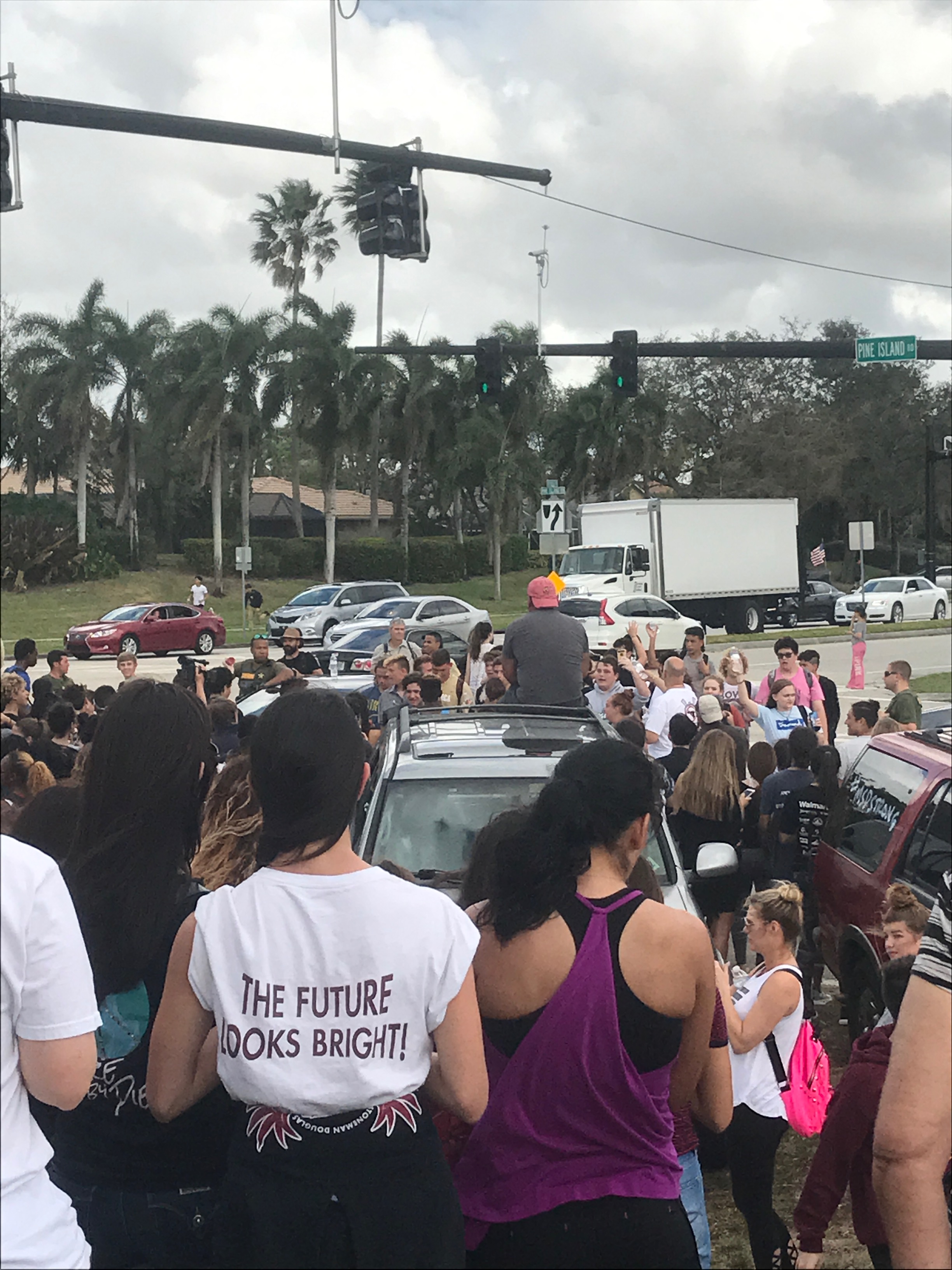
As she was paying tribute to the victims, she remembers “chanting and cheering” coming through the “deafening sadness”.
“Kids were marching up the streets and to the school screaming at the top of their lungs ‘they will not be forgotten’,” she recalls.
“I've had my doubts about my generation. The tide pods phase for example. But these kids are making incredible progress, fighting for change because their leaders have screwed them over and they aren't safe anymore.
“I am literally thrilled to watch them fight, completely legally and without violence, for their freedom and safety. At that moment I decided: instead of torturing myself with the tears of a tragedy, I'm throwing my fists behind some of the most inspirational "kids" I've witnessed.”
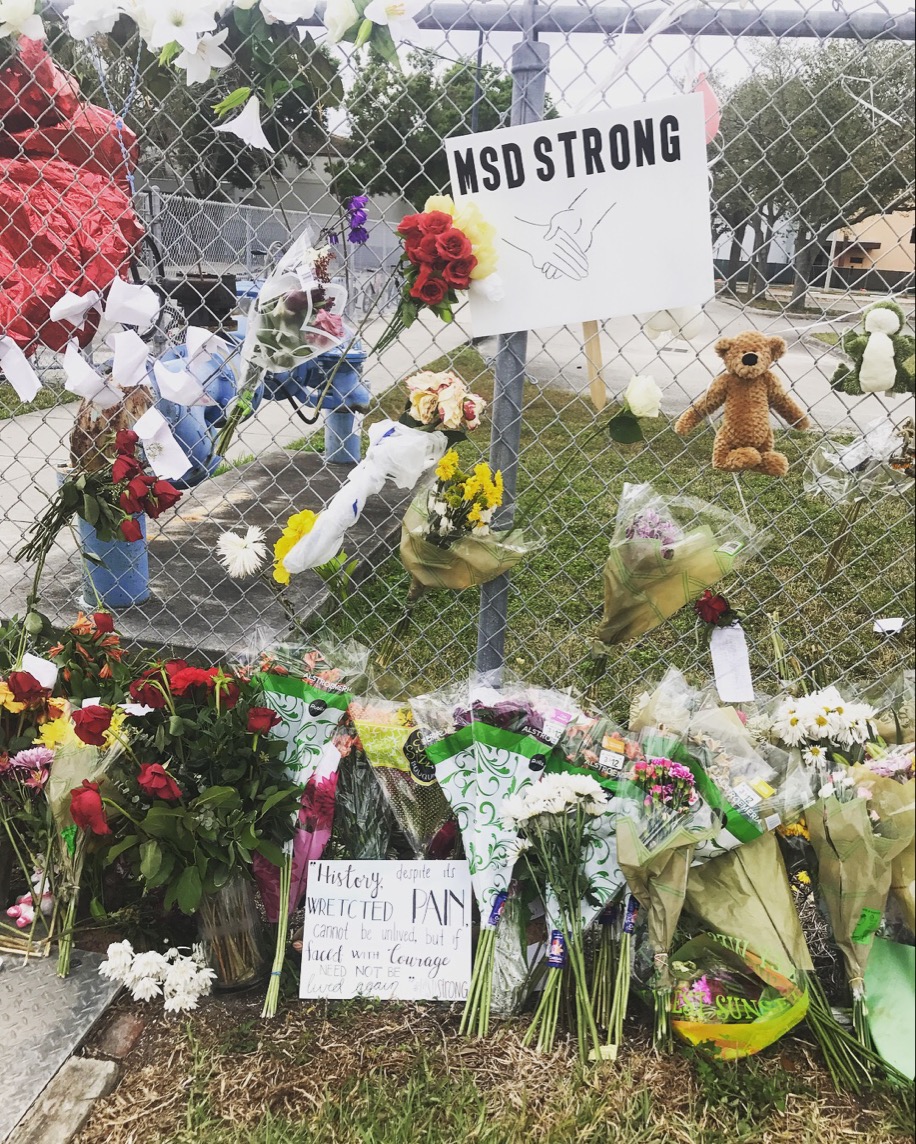
Whether they’re grave and moving outpourings of grief, or 30-second hits on social media, the past few years of protests by students and young people have proven that Gen Z are listening.
And they’re making noise.
Header image: Pavil Danilyuk via Pexels.
Topics
Ref: e67f49ec-a59d-4ea8-a474-aea20065404f





Comments & Feedback
Share your opinion
Emoji cheatsheet Formatting Comment guidelines