Is It Possible to Get Addicted to “Fortnite”?
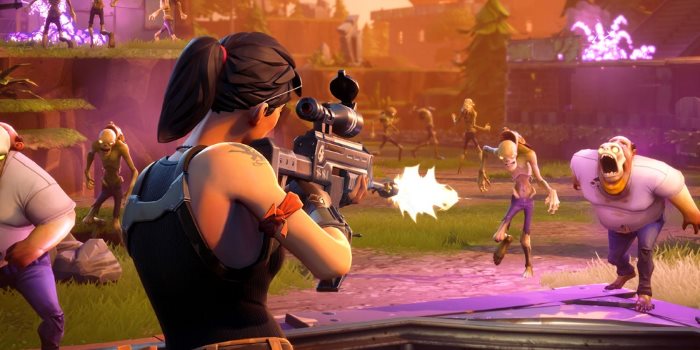
Addicted to bright lights and tapping buttons?
Gaming never strays too far away from the media, with almost weekly updates suggesting how it may contribute to violent behaviour, gambling tendencies and even simply an unhealthy lifestyle.
But with the recent recognition of gaming disorders by the World Health Organisation (WHO), another concern has been raised—namely, whether gaming can be considered a behavioural addiction.
Fortnite – an online, massively multiplayer battle royale – is at the forefront of this discussion. Its unique take on shooters combines creative structural design with intense heart-pumping action. Within less than a fortnight (lol), it skyrocketed to the top of the charts, with recent estimates suggesting a fanbase of 125 million regular players.
Now that WHO has decided this is a problem (lol x2?), we’re left asking whether we are over-pathologising a hobby, or whether we’re on the cusp of the next pandemic.
Read More:
This Kid Continued to Play "Fortnite" Through a Literal Tornado
The issue of gaming addiction can be a sensitive topic to discuss, given the huge number of people who play video games, but it’s important to clarify the extreme nature of an addiction.
Gaming addiction is characterised by severe lack of control and unwarranted gaming prioritisation over all other aspects of life, as well as numerous negative impacts on an individual’s wellbeing. This means that playing Fortnite (or any other game) on a lazy Saturday evening does not mean you have a gaming addiction; it requires much more than that.
There are many key characteristics of games like Fortnite, however, that can promote addictive tendencies: the drip-feed feeling of progression, the sheer accessibility at any time and multiplayer coercion can all encourage that 'just one more game' mentality. Combine this with a vulnerable teenage fanbase, still grappling with concepts of restraint and control, and suddenly you have real reasons to be worried about gaming disorders and Fortnite addiction.
One of the biggest critiques of gaming disorders is how it appears to be trivialising the harsh and detrimental impacts of other addictions, such as gambling. "How can we compare the life-changing losses of gambling to something as childish as video games?" some may ask. I suspect these people are dismissing the significance of gaming, perhaps out of ignorance or lack of relatability. An outsider may find it hard to see how bustling sounds and flashing lights can become so addictive; perhaps with this understanding, the pokies are nothing more than just a really expensive jukebox.
Anything and everything requires moderation in order to be healthy. The moment there’s a shift in the balance, then almost anything can become harmful. Even if it is just bright lights and tapping buttons.
Congratulations to Andy for winning this week's writing challenge: Why Are Parents So Freaked Out About "Fortnite"? Andy wins a $50 Westfield gift card for his submission. For your chance to win, check out our latest writing challenges in our Competitions section. Also, be sure to follow this guide on how to win the writing challenge.
Photo: Epic Games
Topics
Ref: 89e8820b-a3b6-4fdc-af84-a90a00104f40

Most Popular



Comments & Feedback
Share your opinion
Emoji cheatsheet Formatting Comment guidelines
Sure just don’t put it on the newz