A Convenient Truth: You Can Help Stop Global Warming From Home
It turns out you don’t have to be Superman to save the planet.
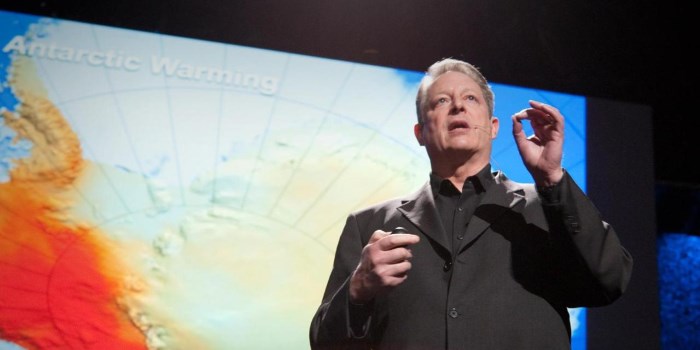
With the imminent release of An Inconvenient Sequel: Truth to Power (the latest addition to Al Gore’s An Inconvenient Truth series, documenting global movements to tackle climate change) we began thinking about what we can do to contribute—particularly to save one of Australia’s most precious natural wonders.
Now, we’ve all seen the news and have heard how the Great Barrier Reef is being destroyed by climate change. Rises in sea temperatures caused by greenhouse gas emissions from burning fossil fuels, deforestation and unsustainable farming (to name a few causes) have resulted in an unprecedented level of coral death.
Besides putting one of Australia’s most beautiful destinations at risk, this is also bad because coral reefs play a vital ecological role in one of the most diverse ecosystems on the planet; they provide habitats and shelter for many marine organisms while also protecting coastlines from erosion.
Studies by the Great Barrier Reef Marine Park Authority and the Queensland Parks and Wildlife Service have found in the worst cases that some sites have suffered up to 97 per cent coral loss, and are left with very little coral cover. It’s no surprise this progression is unsustainable.
But knowing about the detrimental effects of climate change is one thing; next, we need to know about all the small steps we can take to help.
The first step is reducing our carbon footprint, and reducing our greenhouse gas emissions. We can do this by making just a few small changes to our everyday lifestyle.
1. Remember the mantra ‘reduce, reuse, recycle’.
After you finish your drink, remember to throw your plastic bottle, glass bottle or can into the yellow bin. By recycling, you’re conserving natural resources and preventing pollution by saving energy on producing new materials like cans. Recycling an aluminium can saves about 95 per cent of the energy required to make a new one.
2. Recycle those bags.
Did you know some plastics we previously thought were non-recyclable (such as biscuit packets, plastic bags, bread bags) can be recycled in the designated bins at most Coles and Woolworths? You never know what they could be used to make; maybe even the next bench you see at school!
3. Public transport is your friend.
If you can, take the bus or train. Your car runs on petrol, which is a non-renewable fuel that releases various pollutants such as CO2 when it is burnt. So, try to take public transport as often as possible. You can also use it as extra time to finish a book or get some study done.
4. Donate your used clothes.
Whether the clothes don’t fit you anymore, or you just want to make some room in your wardrobe, you can donate your old clothes to donation bins or centres, which not only helps people in need, but cuts down on the environmental waste that goes into clothing production. The same goes for any old toys you don’t play with anymore; you can also donate them to other children by bringing them to your nearest donation centre e.g. Salvos.
If you want to take it a bit further, you can help the Great Barrier Reef directly by volunteering with coral reef clean-up initiatives or donating to the Great Barrier Reef Foundation.
Let’s make a change to save the Great Barrier Reef before it’s too late.
Vivian Chen is one of Student Edge’s student contributors. See more student contributions here.
Photo: Paramount
Topics
Ref: d84698eb-ade3-4c69-afc7-a7be008d4c30





Comments & Feedback
Share your opinion
Emoji cheatsheet Formatting Comment guidelines