How 'Coral Bleaching' Is Killing The Great Barrier Reef, Explained
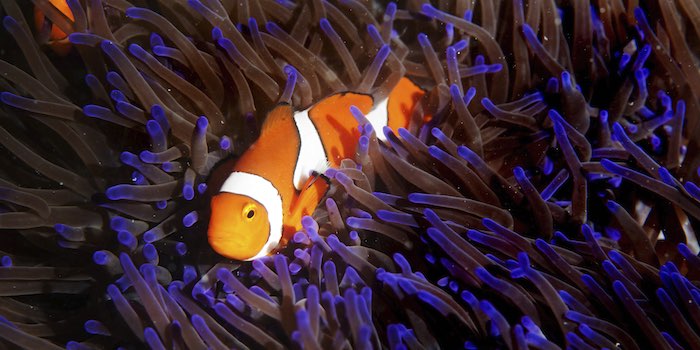
Australia is a glorious country, with inspiring sights and adventures, but there’s one place in particular that captures the magic of its wildlife.
We all know the beautiful Great Barrier Reef, with its neon pinks, oranges and purples surrounded by an ocean of crystal blue. With 1625 species of fish, 1400 coral reef species, 30 species of whales and dolphins and 133 species of sharks and rays, there’s much to see (and plenty more to be discovered). However, this stunning sea of ocean life may soon be no more, with coral bleaching affecting all but seven per cent of the reef. While some reefs have only moderate damage, from which they can recover, others are more severe. But what does this all mean? What is coral bleaching? Our planet is constantly changing, especially our climate. Due to this drastic change, caused predominantly by us humans, the temperature of the ocean is increasing. Now, there are tiny little algae that live inside of the coral, providing it with much needed energy. Actually, this energy is what’s needed to give the coral its radiant colours and keep them alive. When the sea gets too hot, the algae is expelled, damaging the coral. It loses its colour, turning it a ghostly white, which is just horrifying to see. If the conditions go back to normal, the coral will too; however, the trauma can reduce growth and reproduction rates. And if the conditions continue, the coral itself will die. What can we do now? Fact is, if we continue to pollute and trawl the ocean, the effects of coral bleaching will only worsen. However, the Great Barrier Reef can be monitored. By monitoring the sea, what goes in and out, preventing anchoring, fishing, and pollution in efforts to increase reef resilience, we might just keep it alive. (The Federal Government also just pledged a further $50 million to its water quality projects, which should help.) It’s sad to think of what we’ve done to our own earth, especially to this godly kingdom of marine life. What’s scary is that nothing huge happened as of late - no massive oil dumps; no natural disasters - just damage that built up over decades and exploded in our faces. It’s not too late to reduce our impact though. If we stop treating this beautiful landmark like a dumping ground, we might just give the coral, and maybe even the ocean, a fighting chance. Bianca Welsh-Jayne is one of Student Edge’s student contributors. Learn more about the contributors program. Photo: iStock.Topics
Ref: a761808c-71d7-4288-bbb5-a5f5005ce62b


Most Popular



Comments & Feedback
Share your opinion
Emoji cheatsheet Formatting Comment guidelines
me and my friends were actually talking about this horrific issue i think the government needs to take it to the next level