Why the Cost of Living is Rising & How You Can Still Feel Financially Empowered

Hint: It's not to just "work harder", @KimK 🙄
Scrolling through a newsfeed swamped with bad news might be starting to make you feel powerless—and then a rise in the cost of living is piled on top of that!

But there are ways to feel empowered by taking charge of your life. In this case, we’re talking money. Whether you’ve got a part-time gig or are pocketing cash for odd jobs, you can learn how to manage your finances in a time of uncertainty.
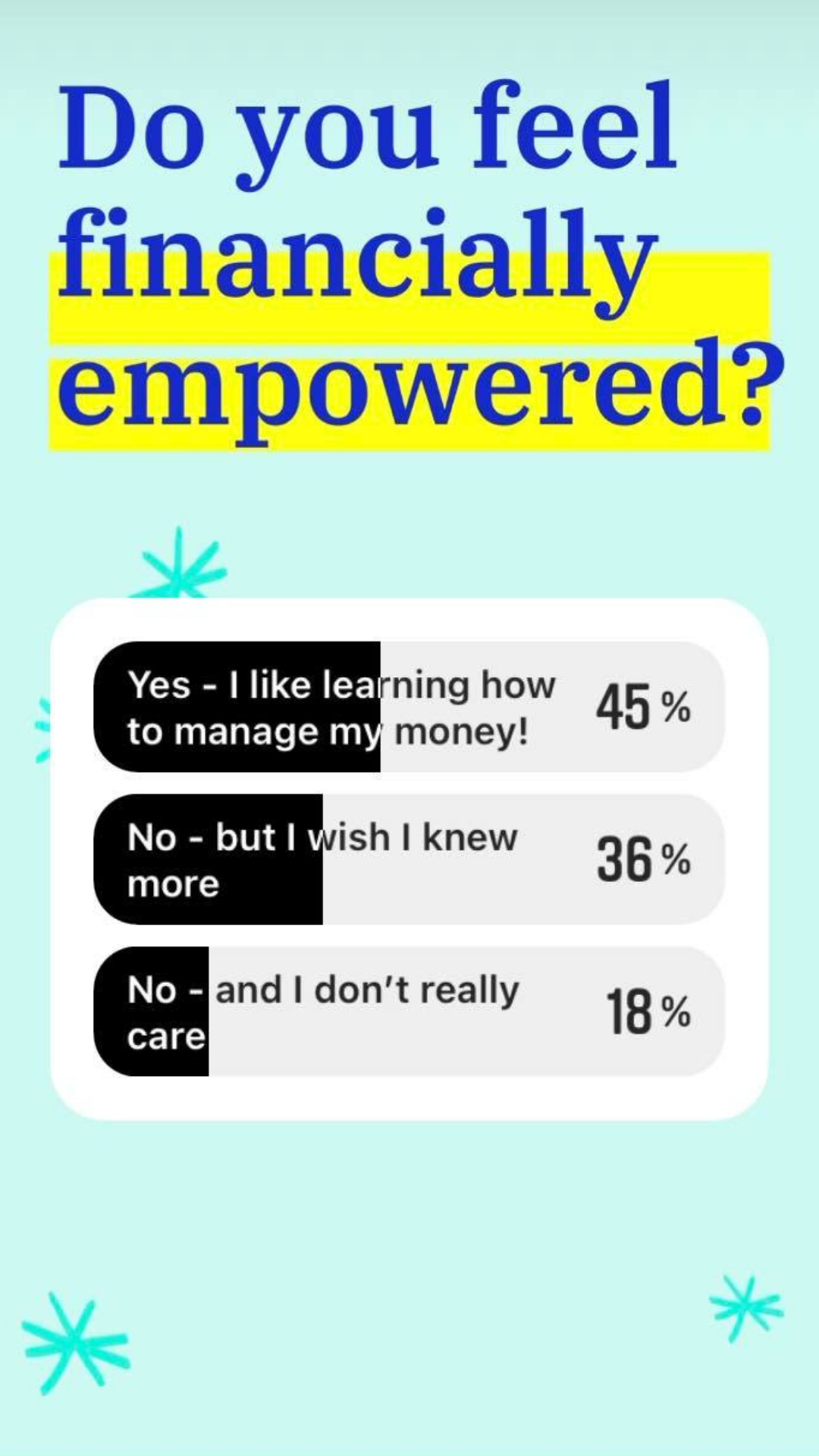
We asked you on Insta if you feel financially empowered - and 81% of you are either already interested in managing your money, or want to know more!
What is the cost of living?
As the term may suggest, the cost of living is how much money it takes to afford basic and necessary expenses.
This includes things like food, housing, transport, healthcare, utilities, and taxes. As a young person, you may not need to worry about a lot of these necessities yet—but it’s important to prepare for them.
The cost of living can vary depending on the area you live in (e.g. Sydney CBD versus Wollongong). It will also affect lower income households more, as necessities such as petrol will take up a larger percentage of their budget.
The Australian government determines the cost of living by comparing the Consumer Price Index (CPI), Living Cost Indexes (LCIs) and the Wage Price Index (WPI). It’s important to account for these factors because if, for example, wage growth is positive, then households may be able to keep up with the pace of inflation.
This isn’t the case at the moment, however. In 2021, inflation rose by 3.5%, and non-discretionary items spiked by 4.5%. Meanwhile, wages rose by only 2.4%. We don’t have the hard data for 2022 yet, but one thing’s for sure—prices are drifting upward.
What is causing the cost of living to rise?
There are three main factors causing inflation, but it’s impossible to capture everything. Put simply, we can pin it down to COVID-19, sanctions in Russia and climate change.
People have been in and out of lockdowns for two years, which means they’ve put away some coin where they otherwise would have been spending it out and about. Now that restrictions are lifting, there’s more spending, and more demand. That means higher prices.
On top of that, supply chains are struggling to keep up because of border closures and other COVID disruptions. This creates what an economist would call a ‘bottleneck’, which may take some time to resolve.
The West has been imposing sanctions on Russia since its act of war on Ukraine. That’s led to Russia selling less of its oil, gas, coal and wheat, leading to less supply. This drives prices even higher.
And finally, the slow but steady effects of climate change, such as extreme weather events and warmer temperatures, have affected farming. Less crops have led to higher prices on grocery staples.

How can you stay in control of your finances?
Alright, that’s the doom ‘n' gloom outta the way. We want to remind you that although world economics must run its course, you can have control over your personal finances and lower your stress levels in doing so!

We’ve just launched our Real Money Talk pathway on Student Edge Plus that helps you develop financial foundations. If you’re looking for a comprehensive course on managing your money, be sure to check it out!
Plus, we’ve got an endless supply of tips and advice on our website. And here are some great places to get started.
- If you’re in high school, here are The Hacks You NEED TO KNOW to Save Money.
- Here are Seven Simple Money-Saving Shortcuts for Your Student Budget if you’re a uni student.
- Learn about superannuation and The Benefits of Making Voluntary Super Contributions.
- This article is for you if you’re asking yourself, Do I Need to Start Investing As a Student?
- Here’s How to Use Buy Now Pay Later Apps Responsibly so you don’t throw all your savings away.
- And understand What’s Up With HECS-HELP and FEE-HELP at university and TAFE.
Feeling a little savvier? Financial empowerment is a journey, so keep learning, saving and stressing less!
Header image: Canva.
Topics
Ref: 124e5840-7333-4843-8ed0-ae5c006cae8b






Comments & Feedback
Share your opinion
Emoji cheatsheet Formatting Comment guidelines