Who Are The Rohingya Refugees?
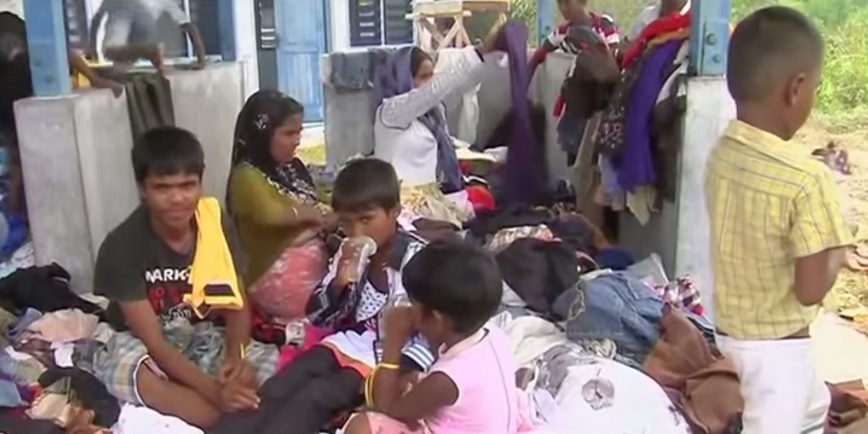
Your guide to a complicated immigration issue.
Australia and Indonesia are at a loggerheads over the refugee status of the Rohingya people, who have been stranded at sea in recent weeks.
We know how difficult it can be to grasp these complicated international issues. Here’s a quick summary of the circumstances of the Rohingya refugees:
- Rohingya refugees are a Muslim ethnic group residing in Myanmar (Burma), on the border of Bangladesh. The majority group in Myanmar are Buddhists and there has been an enormous amount of tension between the two religious groups for several decades, resulting in the persecution (hostility and poor treatment, due to religious beliefs) of the Rohingya.
- Scholars are divided as to whether the Rohingya people are indigenous to Myanmar, or if they migrated from Bengal during the period of British rule (between 1824 to 1948).
- The military has ruled Myanmar for over half a century in a dictatorial nature (after gaining authority through use of force), discriminating against minority groups, such as the Rohingya people, and refusing to consider them citizens. Instead, they’re considered illegal Bangladeshi immigrants.
- They are denied basic human rights - education, marriage, peace - and the Burmese authorities allow violence to occur against the Rohingya people. The right to education is the right to a formal education in the early stages of life, as it is a useful tool for many to lift themselves out of poverty, especially in developing nations.
- Religious unrest occurring in 2012 resulted in more than 200 deaths and left more than 140,000 homeless. Survivors of the unrest live in extremely poor conditions, are denied the right to any social services and live in shared homes.
- Like most refugees, a large sum of money is paid to endure a dangerous journey in an attempt for asylum. They face further punishment if that sum is not paid.
- Over several weeks, up to 8000 estimated Rohingya refugees having been seeking food and water in the seas of South East Asia.
- India has agreed to resettle some refugees, but due to large numbers and the potential ‘turning back’ of some boats, there will still be Rohingya refugees who will continue to live in displacement due to the severity of events in 2012. In addition, the denial of basic rights creates long-term issues, which can only be resolved by other nations intervening, and providing rights and residences which Myanmar has refused to offer.
Let us know your thoughts on the issue below.
Emily Lam is one of Student Edge’s student contributors. Learn more about our contributors program.
Topics
Ref: 7421fcd1-ccd5-4f0b-84b2-a4a4004665be





Comments & Feedback
Share your opinion
Emoji cheatsheet Formatting Comment guidelines