Should We Consider YouTubers Role Models?
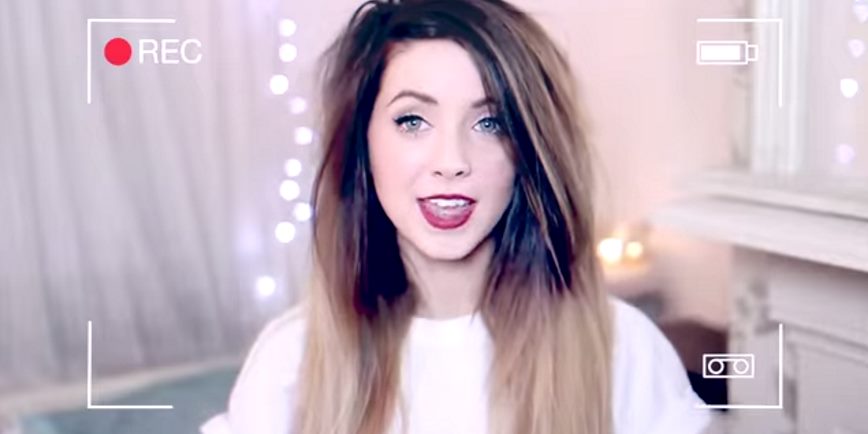
May 1 marked the 10th birthday of YouTube going live, a major milestone considering its humble beginnings.
Created by three workers at Google, YouTube has since blossomed into a multibillion dollar industry. Beyond that, its success has been marked by various YouTubers becoming their own brand of celebrity through the video sharing community.
With this success, YouTube is now its own platform for advertisements and promotional material, but unlike television and movie A-listers, its stars were unplanned; individuals who happened to become extremely successful on a platform that didn’t even exist in the 20th century.
The age of YouTube stars is refreshing, as they represent an era of freedom of expression; an alternative to the airbrushed images of the traditional movie star. These are the individuals who have captured the attention of younger audiences; who have been thrust into a role model position simply because of their subscriber count. Is it fair to expect that much from them?
Quite simply, no.
In my opinion, the concept of role models was developed simply to place individuals on a pedestal. When a ‘role model’ does wrong, the media and the public strike, tearing down individuals simply because they strayed from a label for which they didn’t ask.
It’s unfair that celebrities are constantly scrutinised; that every one of their actions can be developed into some newsworthy piece about their downfall. For YouTubers, it extends further than that. Unlike traditional celebrities, YouTubers don’t have that type of luxury, as their entire brand and careers are built on their willingness to let strangers into their lives, without the editing. YouTube is different simply because it offers real people and lives as entertainment.
Fashion vlogger Zoella, currently at more than eight million subscribers and rapidly growing, is a prime example of the dangerous nature of the responsibility of the ‘role model’ status. Zoella’s brand has evolved dramatically, epitomising the image of the ‘girl next door’, the antithesis to controversial stars such as Miley Cyrus and Lindsay Lohan.
Her life represents the greater goals of every individual - successfully navigating herself into a well-paid career which she happens to love, even while she deals with anxiety – and as a result, she’s susceptible to more judgment when her decisions are flawed, because her status is founded on perfection.
YouTubers are an extension of the greater issue of the news media cycle. The media tends to exploit various dichotomies – such as success and failure, perfection and flaws – in order to ignite debate in society. YouTubers are marketed as ‘perfectly imperfect’, their flaws further highlighting their ‘role model’ status, when quite simply, they are human beings.
Human beings are inherently flawed, and by allowing YouTubers’ successes to be our own end goals, it creates unrealistic expectations and more judgment amongst society. These issues hinder our ability to achieve our own goals, because spending time analysing another’s life choices prevents us from living our own.
Emily Lam is one of Student Edge’s student contributors. Learn more about the contributors program.
Topics
Ref: db89da45-2262-4a27-89e4-a49e008c417c


Comments & Feedback
Share your opinion
Emoji cheatsheet Formatting Comment guidelines