Say Farewell To Passport Lines And Passenger Cards Because Airports Will Be Using Biometric Recognition By 2020
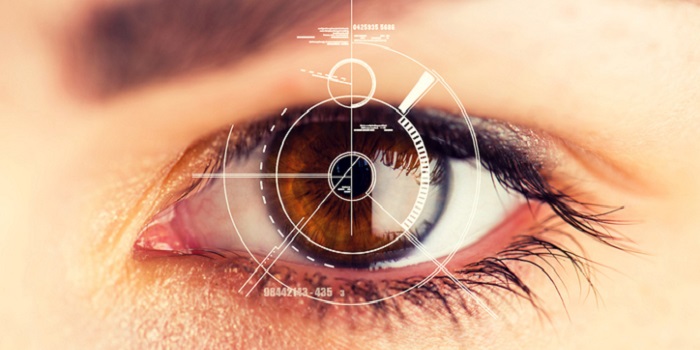
Security processing at Australia’s international airports are going to be 90 per cent automated by 2020 (woah).
Fairfax reports the Department of Immigration and Border Protection is seeking to abolish incoming passenger cards and the need to present your passport on arrival to manned desks. Instead, we’ll be graced with electronic stations and automatic triage.
Travellers will be processed by biometric recognition of the face, iris and/or fingerprints in accordance with existing data. “I think it could be a world first,” exclaimed John Coyne, head of border security at the Australian Strategic Policy Institute.
The move is part of a long-term vision of the most senior immigration bureaucrats to “streamline” the arrivals process. It’s hoped international visitors and citizens will “literally just walk out like at a domestic airport” under the Seamless Traveller project.
It ain’t a change that’ll come cheap though, that’s for sure. The project has been allocated $100 million over five years, but officials are convinced it will “transform the border experience”.
Dr Coyne said: “Our ability to harness the power of big data is increasing exponentially.”
Now this might sound a little alarming (especially given the hefty price tag), but the Department of Immigration and Border Protection has not actually figured out what technology it will be using. A spokesperson for immigration said the department is currently seeking “innovative solutions” from the private sector.
While biometric technology has revolutionised in leaps and bounds, it’s still imperfect and controversial.
There are (understandably) ethical concerns around privacy. Which departments will have access to the national database? What policies will govern them? How passive is the information that’s being collected?
Another complication is that, well, biometrics have been shown to have racial bias. Facial-recognition systems are more likely to misidentify and/or fail entirely to identify African Americans than other races. There was also the case of a passport robot telling an applicant of Asian descent to open their eyes (yikes).
This starts sounding even more precarious when taking into account previous statements from Immigration Minister Peter Dutton about concentrating department resources on passengers of interest, or those who pose a greater risk. Sounds great and all, but there’s also the whole thing with racial profiling…
Dr Coyne summed it up quite well when he said, “all of this is about risk”.
Guess we’ll wait and see?
Photo: iStock
Topics
Ref: 0d83c43f-93e9-402b-ba48-a70400090a69


Most Popular



Comments & Feedback
Share your opinion
Emoji cheatsheet Formatting Comment guidelines
Cool!
Looks cool! But I'm waiting on it....For future flying transport, please! ;) (Wait....Do I need new licenses?)