Oh, So This Is Why "The I-Land" Is So Bad

We know it’s the only mystery involving this show you care about.
Have you ever felt personally victimised by an email?
Well, it happened to me.
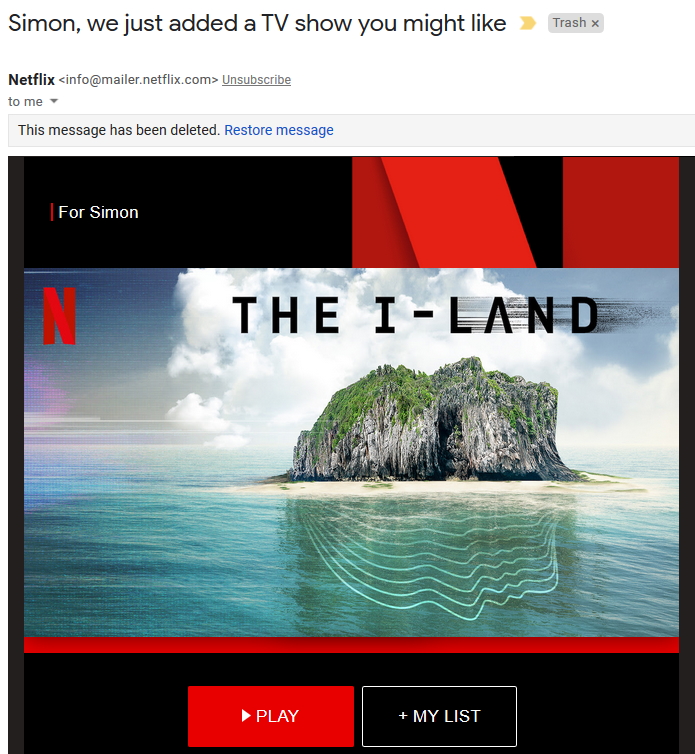
I have never felt less seen than when Netflix recommended to me The I-Land, spelled the way that one dude from South Park pronounced "planet-arium". After years of carefully curating My List, streaming A Man for All Seasons, Russian Doll, Glow, Shirkers and I Think You Should Leave (the latter on a near-constant loop), Netflix now thought I should watch something that was called The I-Land?
It’s like it didn’t know me at all.
Or, maybe Netflix knows me better than I know myself. That’s what I wondered as I—a professional film and TV critic with access to pre-release screeners who had nonetheless somehow not once heard of this thing before—hit play on Episode One. Maybe it was as good as all those others?
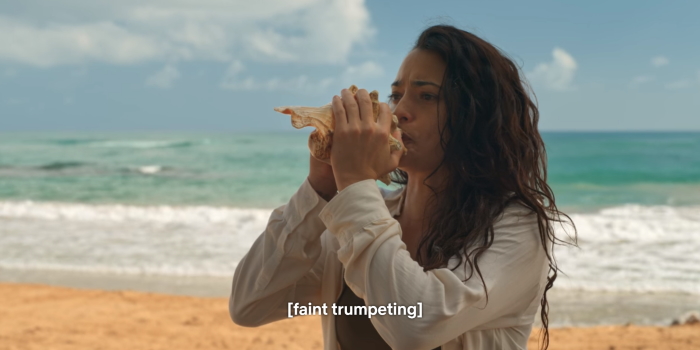
I was wrong.
There have probably been worse TV shows than The I-Land, but it’s most likely we never saw them.
Unlike traditional TV networks—which create a pilot for a show, decide whether or not the show should proceed, and then air each episode until they decide to cancel or renew it—Netflix just unveils fully-formed seasons of television with little fanfare, often to an appreciative audience.
But that previously foolproof process also explains how the shabby, wooden, super-dumb series The I-Land arrived on the streaming service without having previously been impeded by discerning viewers, who never would have stuck with its first 42 minutes, let alone all seven episodes.
For those yet to be fooled by Netflix’s algorithm (which I suspect leans heavily on Netflix content), The I-Land opens with ten amnesiac a**holes waking up on an island (i-land?) not knowing how they got there, why they’re wearing matching outfits, or how to conduct a conversation like a sane person.
Consider this (mercifully abbreviated) exchange between Chase (Natalie Martinez) and the immediately stand-offish KC (Kate Bosworth).
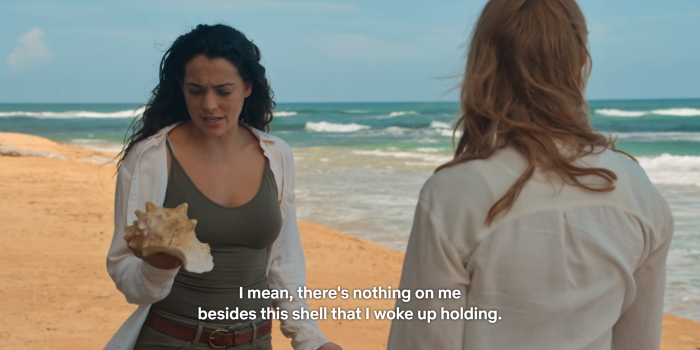
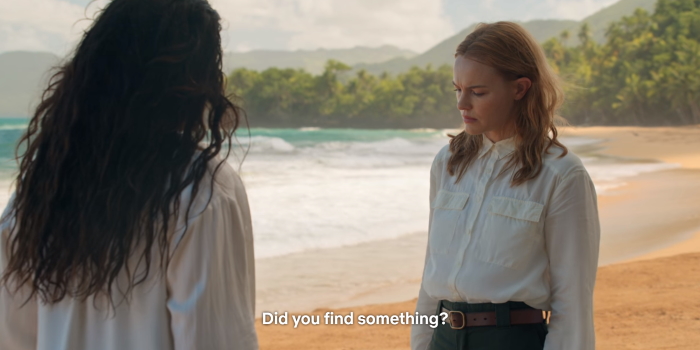

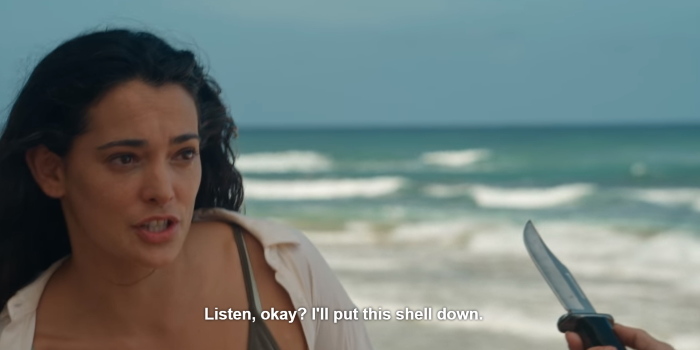
You could cut the tension with a shell.
The obvious comparison is Lost, a show that gets mocked for its ending, but inspired interesting theological discussions and was packaged inside a compelling mystery driven by rich characters. The I-Land has the gall to disparagingly allude to it twice in its first episode. At least in Lost’s pilot, I asked myself questions like, "What’s a polar bear doing here?" and "What is that roaring noise?" The question I mainly asked during The I-Land’s first ep was, "Is that what happened to Alex Pettyfer?"
I have not watched the six episodes that follow the exceptionally bad first entry in The I-Land. According to scores on IMDB, the series only gets worse from there; the zero per cent on Rotten Tomatoes seals it. Thankfully, EW describe what happens in the show, saving us precious hours that could be better spent on Unbelievable. (Spoiler alert: The ending sounds very stupid and you can probably guess it already.)
If you really want to know why The I-Land is so hilariously bad, you don’t actually need to spend 300 minutes slogging through its not-great green screen shenanigans or bafflingly inane dialogue. The explanation comes with the end credits, when the most haunting image of the entire first instalment stains the screen:
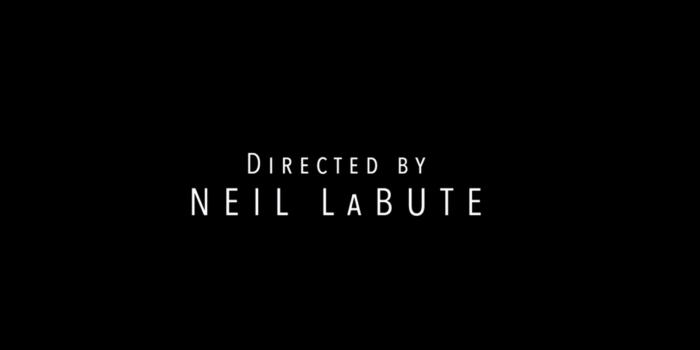
It’s followed by an even more ominous omen.
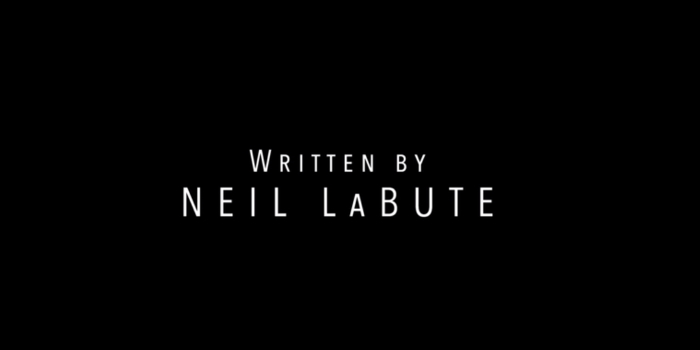
If the name doesn’t ring a bell, let me point you towards one of LaBute’s previous accomplishments.
Of course! Only could a showrunner like LaBute—a playwright of questionable esteem better known for his bizarre, usually misogynistic melodramas and pretending to suggest his remake of The Wicker Man was meant to be funny all along—settle for such flat framing and encourage his actors to oscillate from 'deathly dull' to 'hysterical' on a dime.
See, you don’t need to watch all of The I-Land to uncover its truths. The answers were in front of you all along.
The I-Land is now streaming on Netflix.
Header Image: Netflix
Topics
Ref: d951c0fa-7f0a-490e-aee9-aace00445768





Comments & Feedback
Share your opinion
Emoji cheatsheet Formatting Comment guidelines