How Will My Personal Data Be Used in the 2020s? Too Many Terrifying Ways to Count
Beware your fridge!
This post is presented in partnership with Monash University.
Remember The Simpsons ep where Marge automates her house so she wouldn’t have to clean it again? The whole house was a robot with camera 'eyes' in every room.

It may have seemed far-fetched in 2001, but as we near 2020, it’s becoming our reality, with more and more appliances now equipped to spy on us and collect our data for alternative uses.
Monash Professor of Communications and Media Studies Mark Andrejecvic predicts that our data will continue to be captured for one purpose and used in many other ways over the next decade.
When we download an app, sign up to a new website or agree to a new device without reading all the fine print, our personal data can wind up in the hands of marketers, advertisers, analysts and data brokers. What’s frightening is the info collected can include anything from your age to your location.
Professor Andrejecvic tells Student Edge that young people in particular are at risk of this kind of commercial surveillance because they’ve grown up with technology and are quick to accept the terms and conditions without reading them.
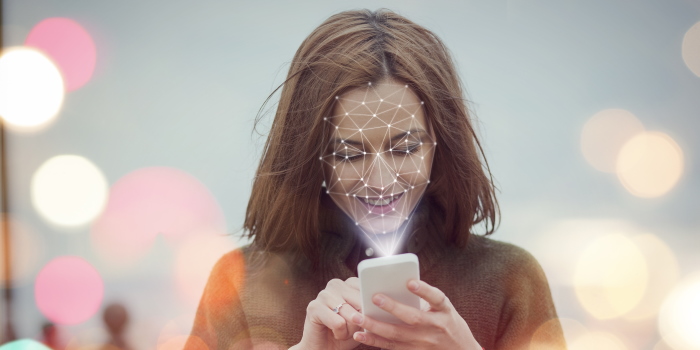
"Often, they’re permitting apps and site such as Facebook to use their data for marketing purposes," he says, adding that now motion detectors, Wi-Fi, facial recognition (remember FaceApp?), cars and appliances are all capable of capturing information about us, our location and our habits too.
Smart fridges, for instance, can already detect the type of item stored in it and keep track of important details such as expiry and usage patterns, including what you’re eating and when, what needs to be replenished, and even when you leave the house and when you return home.

Sure, it’s handy for keeping your fridge full, but what happens if the manufacturer sells that information to other organisations for their use?
Professor Andrejecvic says one consequence could be missed employment opportunities, based on a potential employer’s prediction—if they buy the data—that you might have health concerns in a few years’ time (based on your diet).
"We live in a culture where there is a higher threshold of information chosen to be publicised… and people forget how that information is being shared," he said.
"Companies don’t quite realise what they’re setting in motion."
Personal data has even been used to influence political and democratic outcomes.
For example, the data analytics firm that worked with Donald Trump’s election team and the Brexit campaign accumulated millions of Facebook profiles of voters and used them to predict and influence choices at the ballot box.
According to Professor Andrejecvic, because of these changes, there is an urgency to study media and communications in the new decade, and interest in these degrees has only grown.
"More than ever before media studies lives at the heart of a changing society," he says.
"Communications is an exciting area to work in these days because technology and communications are transforming the world.
"But employers don’t just need communications students, they need employees who supplement technological understanding with bigger social questions from other fields such as art students and literature students."
He believes that by studying the changing digital landscape in a broader social, cultural and political context we can begin to ask important questions and shape the future.
"Technology is amazing, but we need to address what kind of balance we want in terms of convenience and how we want data to be used," he said.
"Change will be constant but the more we understand about how technology is changing and how data is used, we can anticipate the trajectory and the unintended effects."

It’s no secret companies like Facebook, Google, streaming sites are known for collecting information to serve user adds and other content based on algorithms.
"On one hand this might seem convenient but on the other, it downplays the things we have in common and shared common space," Professor Andrejecvic says.
"What does this mean for democracy and individuality?" he asks.
"Communications studies look at these types of issues and both the benefits and ramifications of technology on society and how we can adapt and change."
Find out more about a Bachelor of Media Communications at Monash University. There’s never been a greater need to make change. Whether you want to change your life, your career, your community, or the future, it starts at Monash. Read more from Monash Arts.
Header Image: Erikona/iStock via Getty Images
Topics
Ref: 3668a86d-71fb-4eb5-87ad-ab1a00248565





Comments & Feedback
Share your opinion
Emoji cheatsheet Formatting Comment guidelines