How Hard Is "Sekiro: Shadows Die Twice"? Not As Hard As You’ve Heard
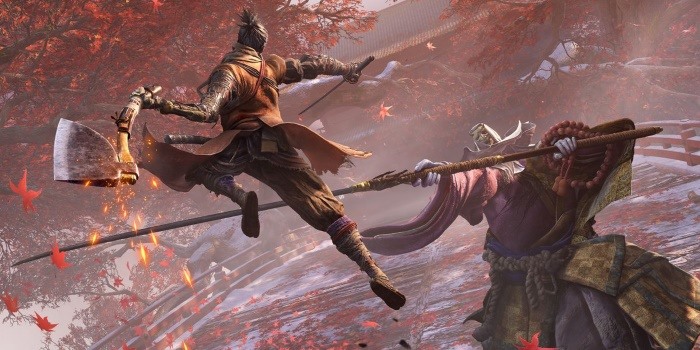
While you were worrying, I studied the blade.
Back in March, the video game Sekiro: Shadows Die Twice debuted to ecstatic reviews. FromSoftware had reportedly developed a single-player samurai adventure that was equal to (or better than) their iconic Dark Souls series.
I’d never played Dark Souls, but I watched the trailer to Sekiro and replied accordingly: "Me want."
However, the release of Sekiro: Shadows Die Twice was also accompanied by a flurry of concerning articles, all with the same basic premise:
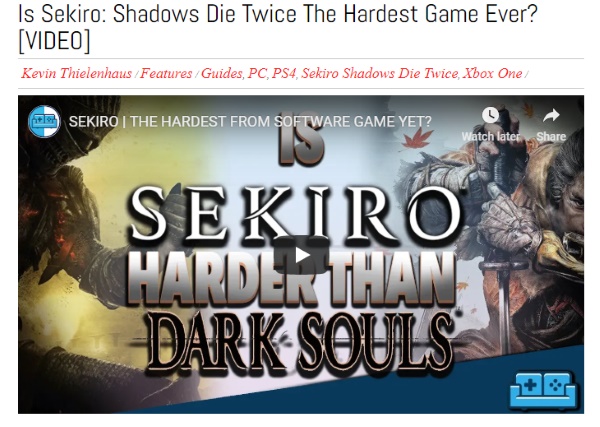
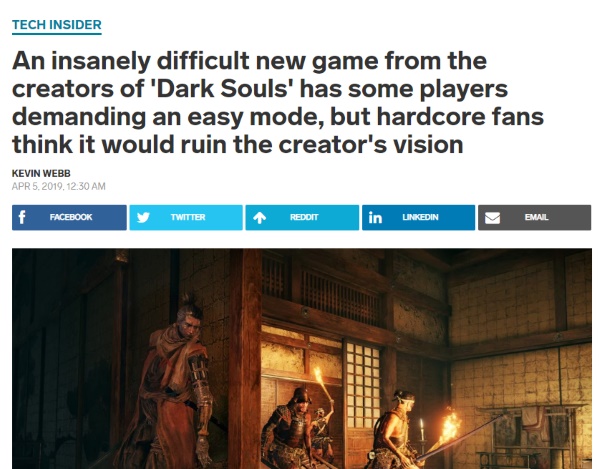
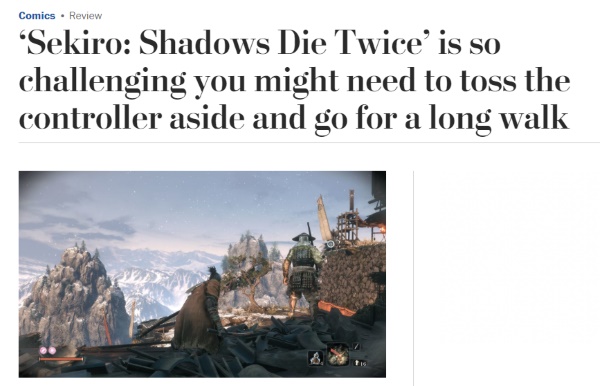
That last one is from the Washington Freaking Post, btw.
As something of an occasional gamer who prefers the one-and-done pleasures of NBA2K and FIFA, I was wary about wading into apparently the most gruelling experience in gaming history.
Buuuut… Sekiro looked good. And I had just finished Spider-Man and Red Dead Redemption 2. Maybe my matured attention span and appreciation of narrative gameplay meant I was now Sekiro-ready.
I asked a few close friends—gamers who knew my habits and tastes—if Sekiro really was above my "playgrade". They responded with typical sensitivity and thoughtfulness.

Well, I bought it for the PS4 anyway. And I can now tell you that Sekiro isn’t as impossibly difficult as you’ve heard.
That doesn’t mean it’s not hard.
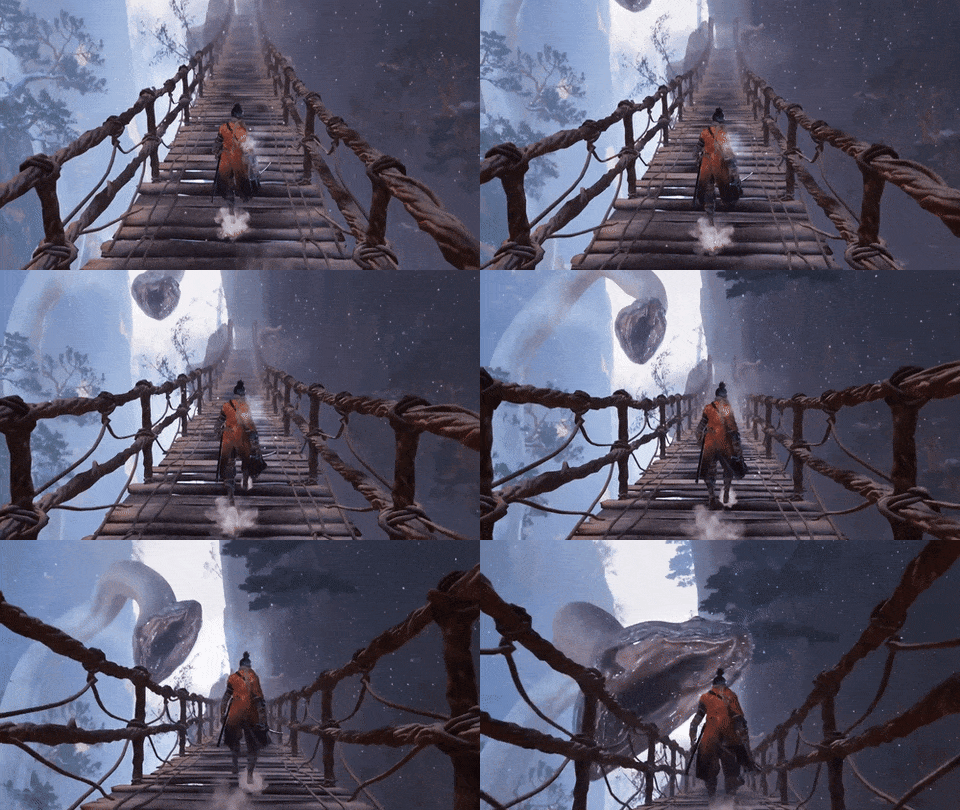
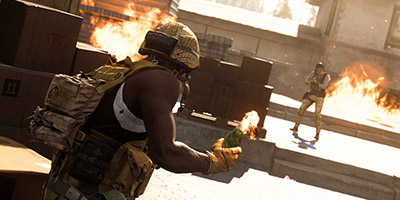
There was a lot of hand-wringing that followed its debut, including complaints of no "Easy/Assist Mode" on PS4 or Xbox One (only PC), and controversy over a mod that slowed down gameplay. With all that in mind, I was initially anxious that I wouldn’t proceed past the first stage, and instead wind up stuck running into a wall like Jim Halpert during Call of Duty. This was a game for experienced ronin only!
Except, Sekiro isn’t alienating at all.
Like all decent games, it holds the player’s hand long enough to introduce them to their avatar (a shinobi known as Wolf), their skills and their enemy before leaving us to our own devices. You learn that Wolf has been tasked with sneaking the divine heir to a throne away from a warring army, and then spend the next stages reclaiming him from kidnappers. You’re taught how to swing a sword at attackers’ heads while parrying their blows, and how to rappel from roof to roof with a grappling hook from your prosthetic arm. (Did I mention that this game slaps?)

Even I, a rube, has managed to progress through Sekiro at a respectable pace, partly thanks to the many 'Sculptor’s Idol' (save points) located throughout its 16th century Japanese setting.
Don't mistake me: Sekiro is super hard. That’s a feature, not a bug. This game is not for run-and-gunners; it specifically wants you to die and die again, so you may learn the best strategy to defeat your enemies; when to strike, when to wait, where to aim and when to run. In a neat twist, Sekiro intermittently allows Wolf to 'resurrect' (though, constantly coming back to life has knock-on effects) or die and return to your last save point. Think of yourself like Phil Connors in Groundhog Day, getting more and more chances to improve and succeed.
The only true obstacle to Sekiro is impatience. If you understand and appreciate what the game is doing, and how several—maybe dozens—of consecutive deaths can actually count as progress, you will find supreme satisfaction at the eventual conquering of your assailants.
This may not be enough to convince you that Sekiro is accessible. That’s your loss. While you were worrying, I studied the blade.
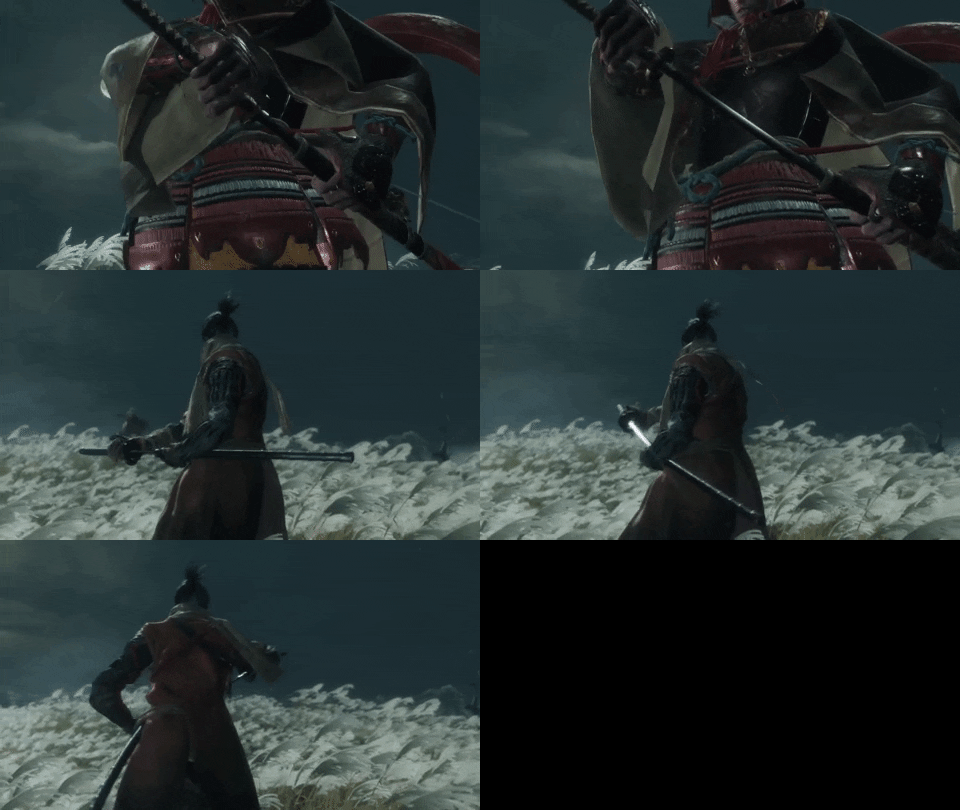
Header Image: FromSoftware
Topics
Ref: d875d90d-55c2-477c-b3d9-aa41005213e6



Comments & Feedback
Share your opinion
Emoji cheatsheet Formatting Comment guidelines