Raising Awareness of Epilepsy: Monique Tells Her Story Ahead of Purple Day
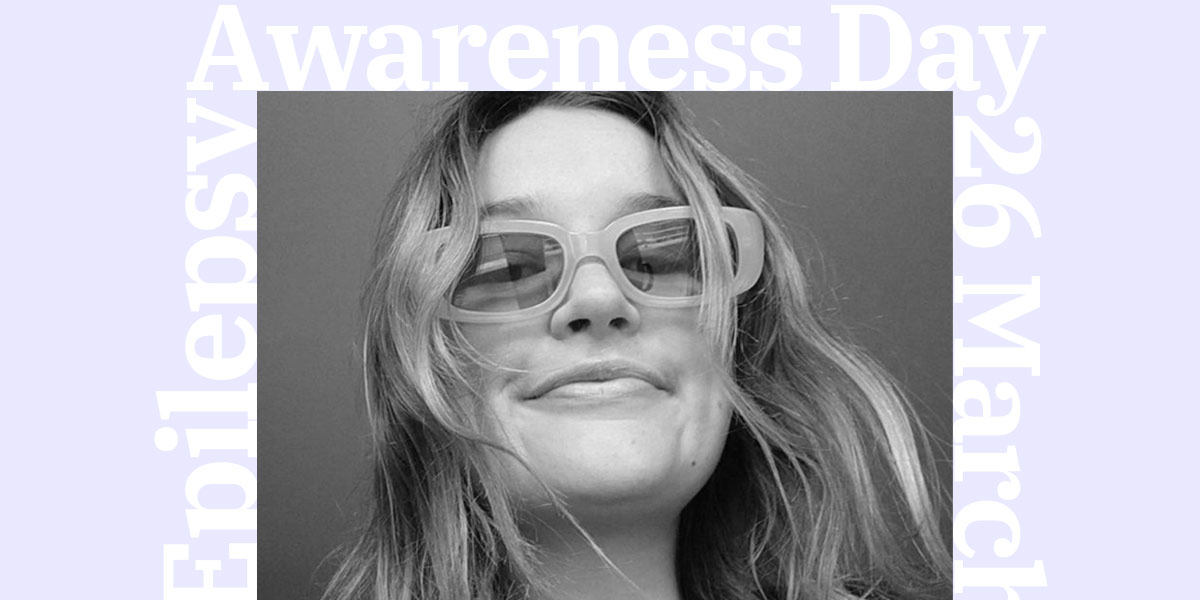
“It’s an invisible condition so no one can see what you’re struggling with until you speak up and speaking up is the hardest part.”
Three years ago, 25-year-old Monique was diagnosed with epilepsy.
Her first seizure happened while she was at the beach at surf lifesaving training. After blacking out for 20 minutes, she woke up and couldn’t speak or hear properly while she was hurried to the hospital in an ambulance.
All caused by a sudden burst of uncontrolled electrical brain activity, known as epilepsy.
Ahead of Purple Day on 26 March, aimed at raising awareness of the condition, we spoke to Monique about what it’s like to have a seizure, how she thrives living day-to-day with epilepsy and why it’s so important to raise awareness all year round, not just on Purple Day.
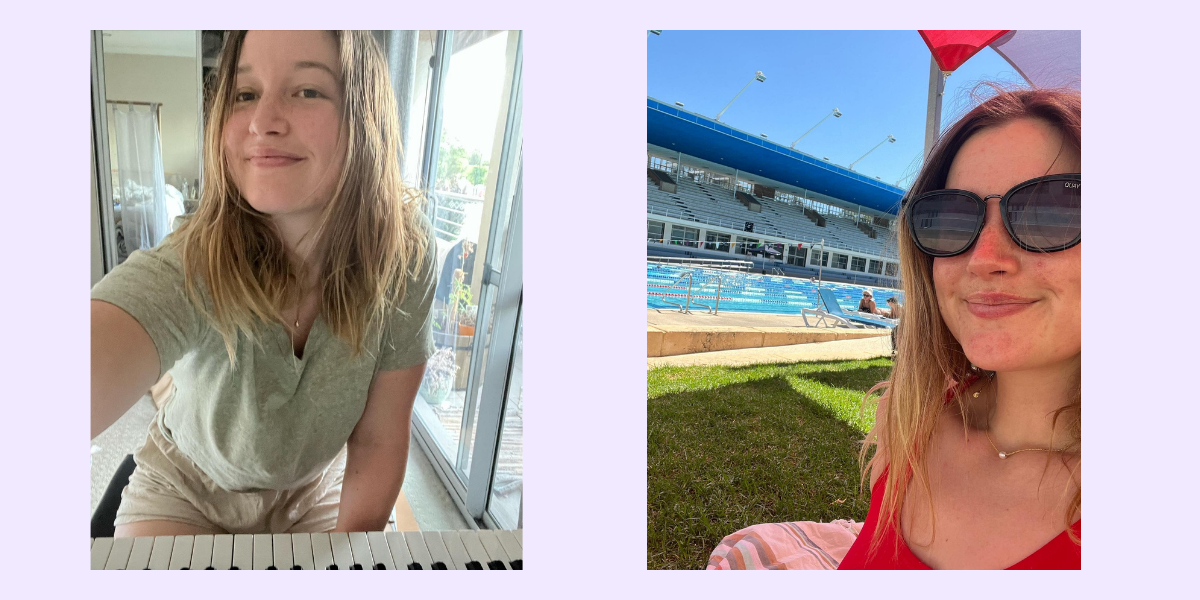
“It can be traumatic not just for me, but for the people that see it too.”
Monique says there are a lot of different kinds of seizures a person with epilepsy can experience. For example, she’s had five ‘tonic-clonic seizures’ throughout her life and countless ‘focal seizures’.
“My tonic-clonic seizures are very serious. Without warning, I will go into a trance and space out then I will go unconscious while my body drops to the floor and begins to suddenly stiffen and then rhythmically spasm for one to five minutes. During this time, I turn blue in the face and foam up at the mouth and it can be traumatic not just for me, but for the people that see it too,” she says.
“My focal seizures are when I unknowingly stare off into the distance for an amount of time, still conscious and somewhat aware but not really ‘there’ until I snap back out of it moments or minutes later.”
As for what happens afterwards, Monique laughs and says after a “bad boi tonic-clonic”, she’ll get the “World’s Worst Headache”.
“The effects of a seizure can take weeks or months to fully recover,” she says.
“The best thing I do for myself is make self-deprecating jokes. I have a very comprehensive go-to closet of memes. Laughter is my favourite medicine and I apply liberally.”
A meme Monique made after she discovered Lewis Carroll (author of “Alice in Wonderland”) lived with epilepsy.
Things Monique wants people to know about epilepsy.
Monique says there is so much more to epilepsy than the physical seizures people often associate with epilepsy.
“It’s the lack of independence from not being able to drive, the impact on your social life because you’re out of energy and experiencing memory issues, the impact on your self-belief and concern for your future that all have a dark impact on your mental health – if you let it,” she says.
“It’s an invisible condition so no-one can see what you’re struggling with until you speak up and speaking up is the hardest part.”
“I am killing it.”
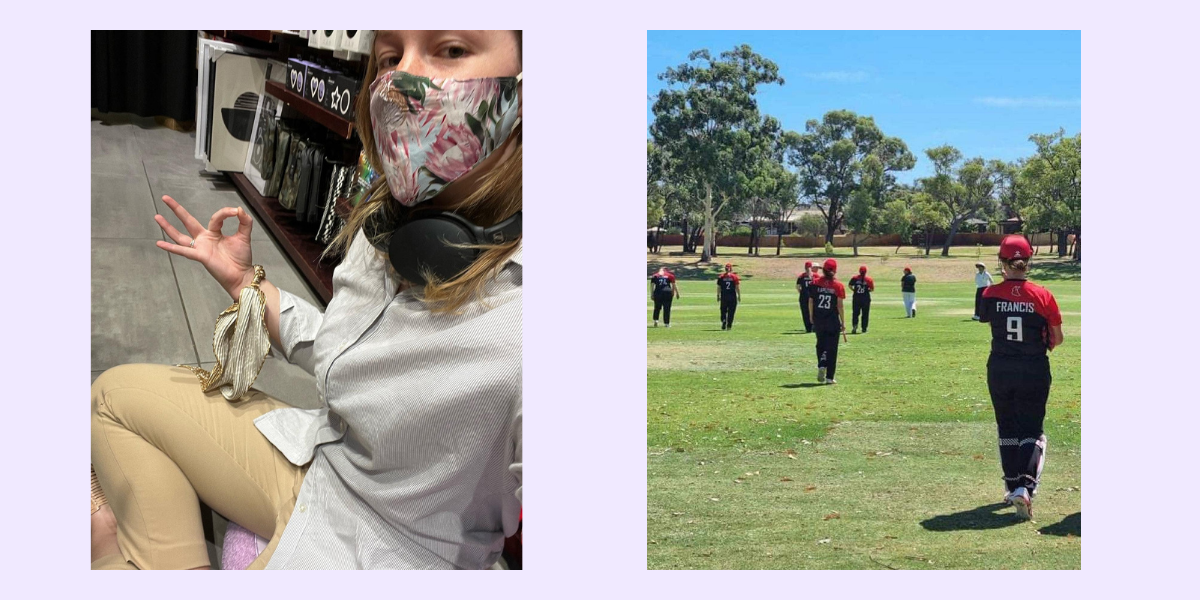
Working full-time in her dream job (focused on environmental legal matters no less), finishing her postgraduate studies, painting, playing footy, skateboarding, meditation, and keeping her plants alive – you name it, Monique does it.
“I’m most proud to have kept my silly sense of fun and humour and to be in the driver’s seat of my mental health, steering myself back on the good path when things get shaky. Insert a winky face there,” she laughs.
“At the moment I am killing it at balancing the many, many things that I love to do. There is so much in life to froth on, why miss out?”
That’s thanks to a lot of hard work on her behalf, and a number of “epic people” who’ve lived with epilepsy and crushed it who inspire her – like footy player Buddy Franklin, author Agatha Christie and actor Hugo Weaving.
“Also, Vincent Van Gogh because I love and relate to his sunflower paintings and that everybody thinks he went crazy. It’s an experience many epileptics go through and so have I.”

Raising awareness of epilepsy on Purple Day.
Every year, 26 March marks Purple Day – a global initiative dedicated to raising epilepsy awareness, busting myths and reminding those affected by epilepsy that they’re not alone.
People are encouraged to donate money to charities that support people living with epilepsy and wear purple for the day (because the internationally recognised colour for epilepsy is lavender).

“Purple Day is extremely important to me because it gives those with an invisible condition the opportunity and support to have confidence in letting someone know that they are suffering,” Monique says.
“I kept my condition and struggles to myself, away from friends and family, for more than three years. I learnt the hard way – that if you’re honest and open up, people will jump at the chance to help you and, once I did, my life became so much easier.”
Monique says it’s all about educating yourself and she recommends a bunch of resources for information and advice about epilepsy.
“I think these do a great job of normalising the epilepsy struggle, particularly with some of the more stigmatised side effects and accompanying conditions… and you’ll be to see a full list of the big and scary things [we] sometimes have to deal with,” she says.
For more information about epilepsy, head to:
To learn more about Purple Day, check this website out, and dig through your closet for your best purple threads to wear tomorrow!
Photos: Supplied.
Topics
Ref: 6a907be6-ff23-46b7-9a83-ae63005dbbca



Comments & Feedback
Share your opinion
Emoji cheatsheet Formatting Comment guidelines