Tips for a Good Night’s Slumber This World Sleep Day
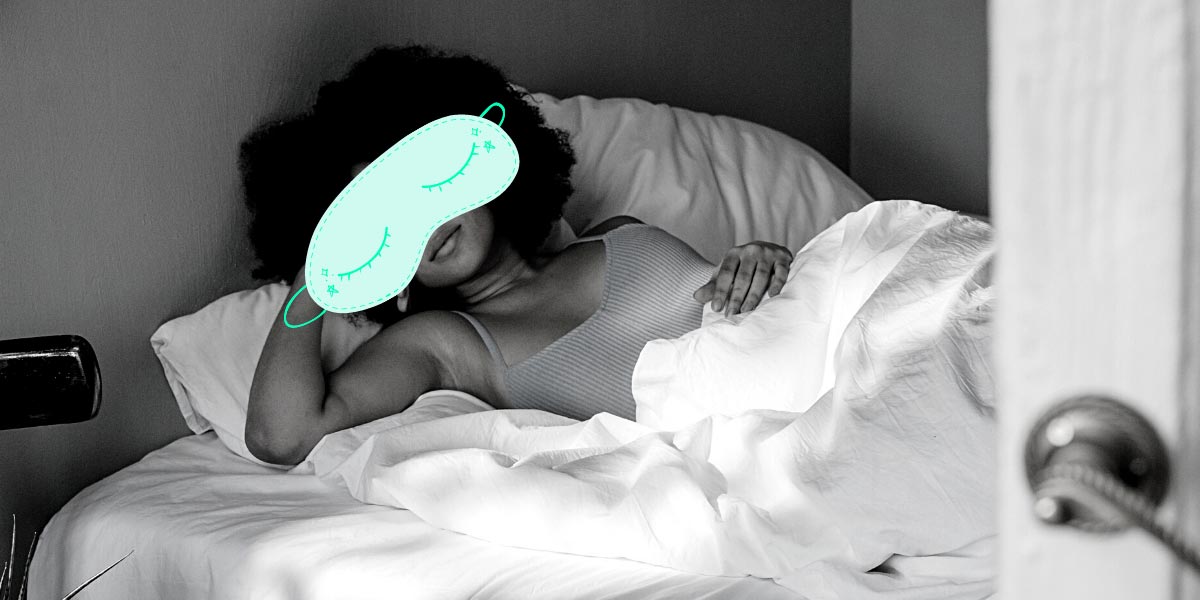
Celebrate World Sleep Day with a bitta extra shuteye.
How good is sleep? Your head hitting the pillow after a long day, curled up in your blankets and ready to float off into dreamland…
Not only does sleep feel good, but it’s also SO GOOD for you. Let’s take a hot minute to remind ourselves of all the reasons we need to get enough sleep:
- Boosts your immune system
- Helps to strengthen your heart
- Puts you in a better mood
- Increases productivity
- Makes you more likely to eat healthily and exercise
- Improves your memory
You can’t argue with stats like that, but sometimes our school and work schedules get busy and we find ourselves studying late into the night or even pulling an ‘all-nighter’ to finish assignments on time.

Back in 2018, we surveyed a bunch of our members (861 to be exact) and only a third were getting enough sleep.
How much is enough, you ask? Well, according to the National Sleep Foundation, teenagers (14-17 years old) should be snoozing for 8-10 hours and young adults up to 25 years old need 7-9 hours of uninterrupted unconsciousness.
So clearly, we understand the need for sleep and all the great things it does for us (plus we love it), but are we actually any good at it?
Forget hot lettuce water (still can’t believe that was even a thing) and read on for actual tips if you need to get better rest:
Put down your phone.
Don’t be cheeky – that includes your laptop or tablet as well. Avoid looking at any kind of screen for at least 30-45 minutes before bed.
We know how tempting it is to fall asleep to another re-run of your fave Netflix sitcom or while you’re scrolling through TikTok, but it’s definitely not the recipe for good sleep.
The artificial blue light emitted by our devices can suppress the release of our body’s sleep hormone, melatonin, which reduces our quality of sleep and makes us feel like a drowsy lil zombie the next morning.

Avoid eating an hour before bed.
Don’t go to bed stuffed thanks to a heavy meal you ate for dinner because that kind of bloating and discomfort is guaranteed to keep you up at night.
But also, don’t go to bed hungry either and be careful of your caffeine intake in the afternoon. The stimulating effects of your cup of pick-me-up can take hours to wear off and disrupt your sleep quality.

Stick to a sleep schedule.
Go to bed and wake up at the same time each day. That means on weekends too. Or at least try to limit the difference in your sleep schedule from weeknights to weekends by no more than an hour. Consistency is key to setting a sleep cycle.
If you don’t fall asleep within about 20 minutes of your designated bedtime, do something relaxing like read a book or listen to a sleep meditation (or Harry Styles telling a bedtime story) until you doze off.

Manage your worries.
If you tend to stay awake stressing or thinking about all things you’ve gotta do, keep a diary by your bed and write everything down that's on your mind and then set it aside for tomorrow.
Other stress management activities can also help with a more restful sleep, like meditation or even calming down before bed by taking a bath.

Speaking of calm, create a calm area to sleep in.
Make your bedroom the ideal place for sleep – cool, dark and quiet. If this means you need room-darkening shades, earplugs or a fan, go get ‘em! You’ll notice the difference when you’ve got an environment that makes it impossible not to sleep.
 Sweet dreams happy sleepers!
Header image: cottonbro via Pexels and Canva.






Comments & Feedback
Share your opinion
Emoji cheatsheet Formatting Comment guidelines