Why Banning Books Is Never A Good Idea
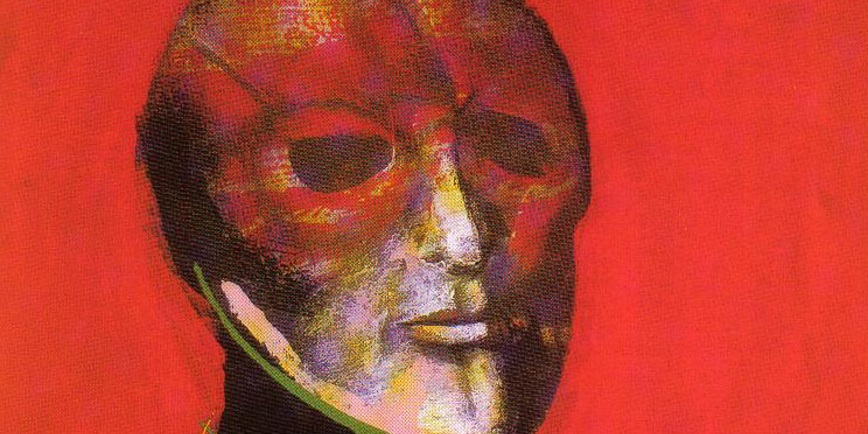
Police "gently raided" an Adelaide bookstore selling American Psycho without a plastic wrapper over its cover last week. It got us wondering: What is the value in book censorship?
The protection of children from ideas beyond their years has always been of the utmost importance to adults. But perhaps banning books with conflicting ideas to those of the community, such as the government or schools, means that children will purposely oppose those who limit them, rather than opposing the ideas expressed in the literature being kept from them.
The earliest recorded incident of book censorship dates back to 259BC, when a particularly narcissistic Chinese Emperor attempted to make history begin with him, by destroying all previous accounts of it. In more recent times, the most well-known incident occurred in 1933, in Nazi Germany, where books by famous authors such as Albert Einstein, Sigmund Freud and Ernest Hemingway, as well as books written by communists and Jewish people, were burned.
It’s obvious that the censorship of books is not just historical, as every year books are banned from libraries and bookstores and, most frequently, from schools. The book, American Psycho, by Bret Easton Ellis, was banned in Queensland in 1991. In the rest of Australia, the book was classified as ‘R’, meaning only those over the age of 18 could purchase it. The latest edition of the book, however, was released without the usual plastic covering to prevent children from spying it while browsing. According to ABC News, an Adelaide bookstore with American Psycho on display was “gently raided” by police after being reported.
In a similar case, Ray Bradbury’s novel Fahrenheit 451 is about book burnings in a dystopian world where books are outlawed. The irony is obvious with the amount of times this book has been challenged in a bid to ban it.
Although some ideas expressed in these banned books are concerning or questionable for younger audiences - due to their use of profanity and violence, or discussion of sexuality and religion - limiting their access will not necessarily protect them from it. Children will always be exposed to material, often by their own curiosity, adults want kept from them. Classification, at least, helps to categorise texts for appropriate age groups. Limiting children’s access to these materials through censorship only forces them to seek information elsewhere.
Consider the raunchy Fifty Shades series (comparatively tame to American Psycho, of course). Though it's certainly not for a younger audience, and has some fairly poisonous ideas about relationships and abuse, it's far better to have readers mature enough for its themes debate the ideas expressed, rather than have a larger power deny us from coming to those conclusions ourselves.
“The most effective antidote to the poison of mindless orthodoxy is ready access to a broad sweep of ideas and philosophies.” - Joseph L. Tauro, 1978.
In order to encourage and celebrate the freedom to read, the annual Banned Books Week will run for the week of September 27th, throughout the world’s libraries, schools and bookstores.
Sarah Bellis is one of Student Edge’s student contributors. Learn more about the contributors program.
Topics
Ref: 6941b30a-1686-428b-9f11-a4de0008f7c1




Comments & Feedback
Share your opinion
Emoji cheatsheet Formatting Comment guidelines