When Disaster Strikes, Does Hashtag Activism Translate To Donations?
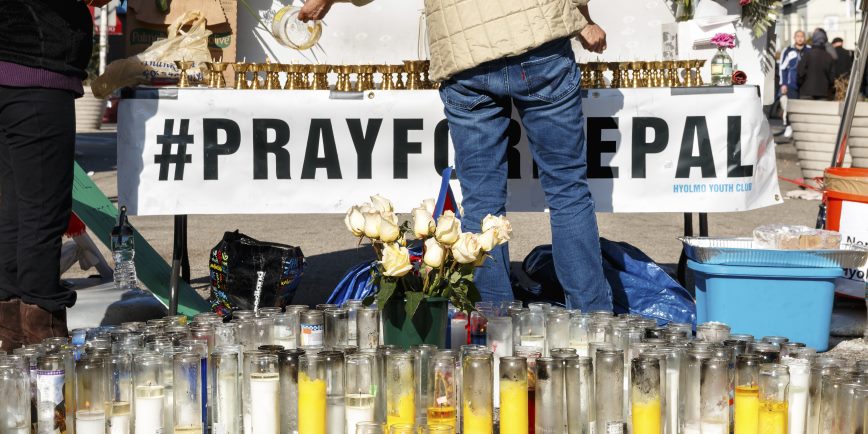
When an overseas crisis hits, social media goes berserk.
It’s in every conversation you have for the next three days, every news segment you flick past on the TV and every single trending column online.
On the 25th of April, your newsfeed was hit with disaster, demonstrating that a new era of disaster news overtaking social media had emerged. But as our awareness increases, is our physical response increasing too? Or are we just sending our thoughts and prayers through likes and shares on Facebook and not actually doing anything to make a change?
Most people probably reblogged, retweeted and shared half a dozen posts into your feed when news of an earthquake in Nepal arrived. You became aware that a 7.8 earthquake had rocked the country, creating a catastrophic death toll of above 8,000 and thousands more injured. The cycle was probably repeated on May 12, when a second devastating quake struck near Kathmandu.
I know I saw the news everywhere. From the little trending column on Facebook to every third post on Tumblr. All the massive charities sent out emergency emails; three a day from the United Nations, followed by ones from Oxfam, World Vision and whomever else you may have been subscribed to. Each called for donation or an action to be taken. But did the action we take make a difference?
Sharing a post on Facebook doesn’t lead to a donation, but it does lead to increased awareness. It means that everyone in your social circle knows about the disaster. With more awareness, there’s more action taken. We’re more likely to donate to a cause if we know about it. If we’re aware of the stats and the figures of casualties and the effect this disaster has had, we are more likely to do something about it. We’re more likely to care.
Take a look at Haiti and the earthquake that happened there in 2010. Due to increased media coverage there was an increase in text donations. Granted, it was a one-time thing and a majority of those text donators didn’t follow the progress of relief within Haiti. But, according to CNN, at least 40 per cent of those people donated to a different disaster relief afterwards and encouraged their friends and families to do the same.
We’re seeing these types of trends everywhere, from the ALS Ice Bucket Challenge to the outpouring of support following outbreaks of diseases like Ebola. (The Ice Bucket Challenge alone showed a 1,000 percent spike in donations due to social media.)
Ultimately, when it comes to disaster relief and donating, awareness is the key. In this day and age the best way to have that awareness is through social media. So keep retweeting, reblogging and sharing, as inevitably, it really does make a difference. Just make sure your activism doesn’t stop there.
Caitlin Moore is one of Student Edge’s student contributors. Learn more about our contributors program.
Topics
Ref: c34989a5-bac5-4230-a9c1-a4960057faa7





Comments & Feedback
Share your opinion
Emoji cheatsheet Formatting Comment guidelines