What On Earth is RAT Testing?
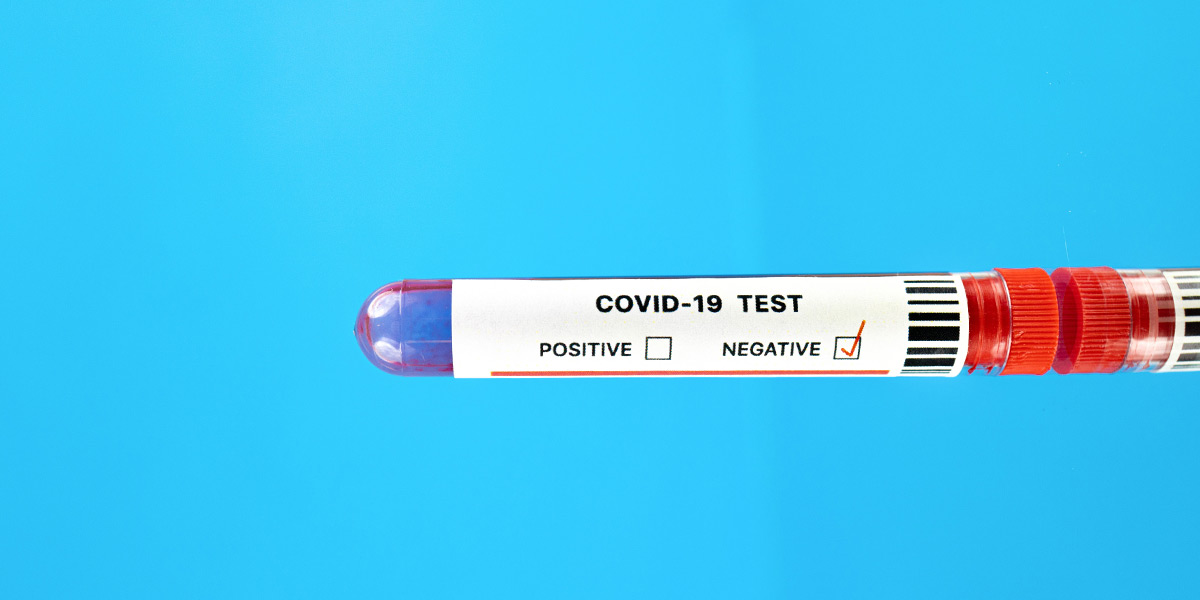
There’s a lot going on, so let’s break it down together.
We’re here to break the news that all the talk about RAT testing isn't about the furry little rodent kind.
At the time of publishing, Australia has recorded more than 47,700 new COVID-19 cases in the last 24 hours.
The surge in cases across the country has led to lots of chat and debate about testing in Australia.
If you’re a bit confused about all the info around RAT testing, you’re not alone. We’ve got you covered here with everything you need to know.
What is a RAT?
RAT stands for rapid antigen test. It’s the at-home alternative to the PCR tests—the more accurate throat and nostril swabs you get at the testing clinics.
The tests work by reacting to proteins on the surface of the virus called antigens. Your swabs get put into a solution on a reactive strip that displays a result.
True to the “rapid” part in its name, RATs give you a quicker response than PCR. RAT results come back within 15-30 minutes, while PCR’s take several hours as they go through the labs.
Positive cases detected from a RAT test need to be confirmed by a PCR and they have been found to have a higher false-negative rate.

Why is there a test shortage?
The lack of tests available has become a mounting issue with pharmacies and suppliers selling out, and in some cases inflating the prices, all around the country. It’s led to major community frustration.
The Omicron strain and the outbreaks in NSW and VIC are believed to be what caused an increased demand for the tests.
The government announcing close contacts and people with symptoms can conduct their own tests also played a part.
The dilemma here is, testing sites are turning people away and queues can go for six to eight hours.
So, what are you supposed to do when it’s recommended you get a RAT, but can’t find or afford one? That brings us to our next issue…
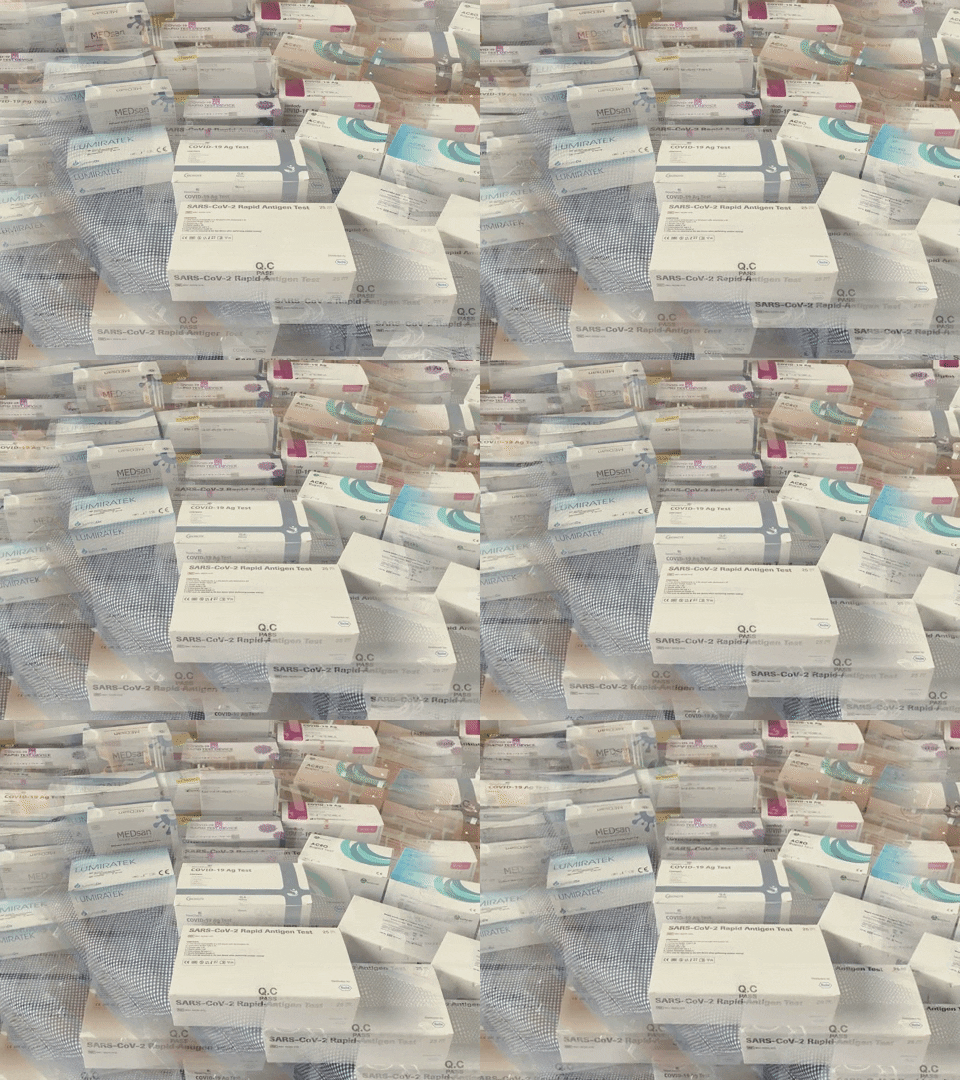
Why aren't they free?
The Prime Minister Scott Morrison has continuously rejected calls for funding free rapid testing, saying on Channel 7’S Sunrise program: “we’re now in a stage of the pandemic where you can’t just make everything free.”
His stance has faced major backlash given the state of clinics and cases around the country and general accessibility issues for vulnerable groups.
Meanwhile overseas, RATs have become increasingly popular in Europe where they cost as little as two bucks if they aren’t free. Travel over to Aus, and the prices are over double generally costing around $50 for a pack of five.
On the plus, they’re tax-deductible if that means absolutely anything to you.
As it stands, RATs are only free for travelers and close contacts without symptoms.
The Australian Competition and Consumer Commission (ACCC) has also launched an investigation in response to complaints of excessive prices for the tests.
What do I do if I need one?
The harsh reality is that if you haven’t already, you’ll probably need to get tested for COVID-19 at some point as cases continue to surge. The Guardian says experts are predicting six-figure case numbers within weeks.
According to the ABC, NSW has also set to roll out rapid testing for year 12 students this school year to monitor for COVID-19.
If you need a RAT, they can be found at most pharmacies and supermarkets. A 'Find a RAT' website has also been launched to help track down a test down near you.
Ultimately, it’s super important to follow the health advice in your state, monitor for symptoms, and head to a clinic to get tested if you need it.
We understand that the smattering of COVID-19 info can be a lot to deal with. Here are some tips from an expert on what to do if pandemic news is stressing you out.
Header Image: Maksim Goncharenok via Pexels
Topics
Ref: 18b6b5c7-b587-4248-9cb3-ae13006c8974






Comments & Feedback
Share your opinion
Emoji cheatsheet Formatting Comment guidelines