Victoria Has Called a 'Code Brown'—What Does It All Mean?
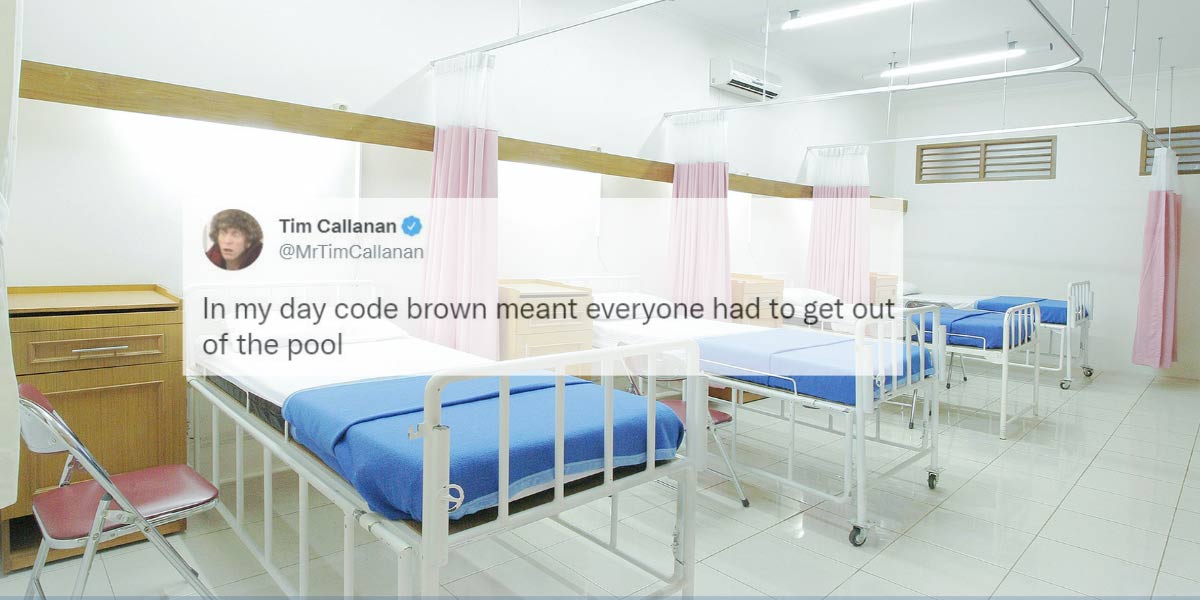
Here's everything you need to know.
Victoria has declared a ‘Code Brown’, which is a kind of emergency healthcare crisis mode.
It comes as COVID-19 cases continue to skyrocket throughout the state, and health workers buckle under the pressure of the Omicron wave.
It’s the first time in history Victoria has had to sound the code brown alarm in this way, so let’s break it down:
What is it?
A Code Brown is an emergency alert designed to provide immediate relief to distressed hospitals.
It aims to lessen the load on health services when there is an influx of patients over a short time span.
It’s usually reserved for short-term events like bushfires, but this Code Brown responds to the rise of Omicron and COVID-19 hospitalisations.
They are at their highest levels ever seen during the pandemic and parallel with the isolation of thousands of health staff due to infections.
You might’ve heard other medical emergency codes before, for example, ‘Code Red’, which means a smoke or fire hazard.
In my day code brown meant everyone had to get out of the pool https://t.co/nm32rmFOCs
— Tim Callanan (@MrTimCallanan) January 18, 2022
What exact measures are being put in place?
This Code Brown will affect all Melbourne public hospitals and major regional hospitals. Private hospitals have the option of calling a Code Brown for their own facilities.
The Code allows staff leave to be cancelled, workers to be redeployed to different departments, and non-urgent care to be cancelled or deferred.
This means healthcare staff may be shuffled into sectors they aren’t accustomed to in order to assist in the hospitals' COVID wards.
Dozens of Australian Defence Force workers have already been called to help drive ambulances and assist with planning.
Why does it matter?
The ABC reports Health authorities are expecting more than 2,500 Victorians could be taken to hospital with COVID-19 at a rate of 100 admissions per day in the coming weeks.
The Code Brown endeavors to help hospitals that have been facing extreme stress, demand, and staff shortages. Hospitals being allowed to free up staff so they can focus on priority services is ultimately hoped to provide relief.
This instance is particularly significant because of how rare it is.
A Code Brown alert has only been previously called during the 2016 thunderstorm asthma event, the Black Saturday bushfires, and after the Bourke Street mall attack in 2017 where victims needed urgent medical treatment in hospitals.
Really feeling for all the nurses who will be having their leave cancelled as Victoria declares a code brown. As ever, as in every previous wave, it will predominantly be nurses who bear the brunt of this.
— Dr Neela Janakiramanan (@NeelaJan) January 18, 2022
What now?
The official emergency mode was activated at midday on Wednesday 19 January and the situation is being monitored closely by authorities.
Typically, these alerts last up to a couple of days, but this time the measure will be enforced for four to six weeks as they brace for the peak of the Omicron outbreak.
No other state or territory has issued an emergency code for their hospital systems so far, despite New South Wales also facing major strain in healthcare.
Is COVID-19 news stressing you out? Check out an experts advice on how to deal with it.
Header Image: Adhy Savala via Unsplash and Tim Callanan via Twitter





Comments & Feedback
Share your opinion
Emoji cheatsheet Formatting Comment guidelines