Everything You Need to Know About What Is Happening in Afghanistan Right Now
Trigger warning: this article discusses violence and sexism.
In the last 24 hours, Afghanistan and the Taliban have been the top trending topics on Twitter, with millions of people tweeting about the developing situation in the country.
For those unaware what is happening in the middle eastern nation, Taliban insurgent forces swept across the country and seized power from the Afghan government in the capital Kabul earlier this morning.
For onlooking countries around the world—including Australia—the biggest fear is that an Afghanistan under Taliban control would see a sharp spike in human rights issues in the country.
The areas that were already under Taliban control before the Kabul takeover have been subject to mass executions, lashings for women, schools being shut down, denying women education and hospitals being blown up.
To get you up to speed on the situation, here’s everything you need to know about Afghanistan right now.
What started this?
The Taliban’s seizure of government in Afghanistan might seem like it happened overnight, but this situtation was years in the making.
Since 9/11, the US military has been a present force in Afghanistan in its war against terrorism, actively trying to prevent the Taliban from seizing power of the country and creating a haven for extremism.
After spending 20 years fighting the Taliban and trying to establish a democratic government in the nation, the US last year announced they would be withdrawing their forces from the country.
As the 31 August withdrawal date drew closer, Taliban forces accelerated their takeover operation of the country, which has now led to the group seizing government power in Kabul, proclaiming the war is now over.
This is a brief sypnosis of a complex issue that spans years. If you want more in-depth information, check out this article by the ABC.
Why did the US withdraw?
The war in Afghanistan has been unpopular, with critics in the US, UK and Australia seeing it as a pointless war that has destroyed a nation, cost thousands of lives and been a catalyst for extremism.
In February 2020, President Trump and NATO signed a peace agreement with the Taliban to fully withdraw forces from the country.
What we’re seeing now are the repercussions of the US honouring that agreement. Whether the Taliban are seizing power peacefully remains to be seen though.
Who are the Taliban?
Simply put, the Taliban are an Islamic extremist/militant group seeking to enforce their hardline interpretation of Islam on Afghanistan.
They previously held national power in the country from 1996 to 2001 until the US removed them from power.
In those few short years, the Taliban regime was brutal, massacring people, oppressing women, carrying out acts of terrorism, destroying ancient cultural sites and using cruel methods of punishment.
With the Taliban now seizing power in Kabul, there are real concerns that the government they establish will resume the brutality of the past.
How does this affect Australia?
Australia has followed suit to the US and removed their military forces from the country, but that’s not to say they won’t return in the future.
Along with 59 other countries from around the world, Australia have called on the Taliban to allow foreign officials and any Afghans safe passage out of the country if they wish to leave.
What happens to the people of Afghanistan?
Unfortunately, if history is anything to go by, the Taliban’s takeover could lead to another refugee crisis like what has been seen in Iraq, Syria and Iran previously.
And that’s just for the people who can scrounge together enough money to flee the country. For the impoverished communities of Afghanistan, an uncertain future under Taliban control awaits them.
If you want to help, you can make a difference in Afghanistan by standing in solidarity with the Islamic and Afghan community here in Australia, calling out any Islamophobic behaviour, and donating to the UN's Afghan refugee crisis fund here.
Are you experiencing suicidal thoughts, sexual assault or domestic and family violence? Seeking to support someone who is? Call Lifeline on 131 114 or Kids Helpline on 1800 551 800.
Visit ReachOut to get support to help you with everything from everyday issues through to tough times.
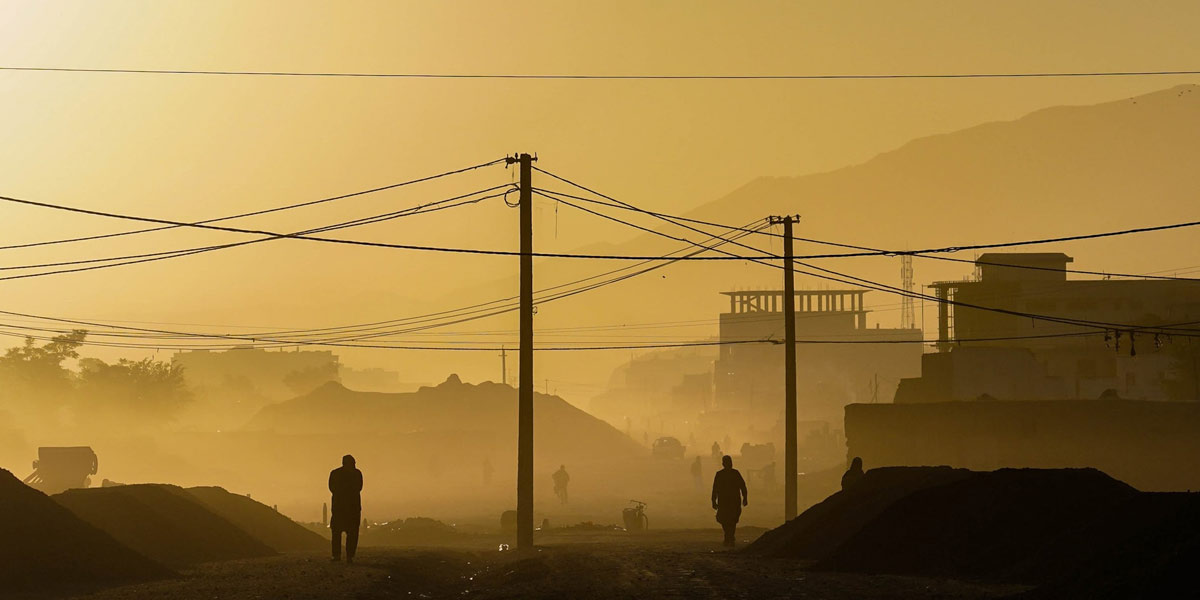
Header Image: @afgprogrammer via Unsplash
Topics
Ref: d44bef47-3694-4126-afa5-ad8600811e87





Comments & Feedback
Share your opinion
Emoji cheatsheet Formatting Comment guidelines