Here's What We Know About the Indian COVID-19 Variant
A temporary travel ban between India and Australia begins today.
Once a country that had the virus under control, India in the last 24-hours recorded the sharpest spike in COVID-19 cases with over 400,000 people testing positive for the virus after 10 straight days of recording over 300,000 daily cases.
While scientists in India work out why there has been such a rapid increase in coronavirus cases, Australia has slapped a travel ban on Aussies returning home from the struggling nation.
Let’s break down everything we know so far.
What is the Indian variant?
B1.617 is the official name of the Indian vairant and was first spotted in December last year.
The World Health Organisation (WHO) has labelled this strain as a “variant of interest”, indicating that it may have mutations that make the virus more transmittable, increase the severity of symptoms and possibly even be unresponsive to a vaccine.
Without any confirmation though, it is unclear whether WHO will keep it at its current threat level or increase it to a “variant of concern” like the UK, South African and Brazilian variant.
Will a vaccine work against it?
In some good news, it looks like the Indian developed vaccine, Covaxin, is capable of counteracting the effects of the Indian variant, according to White House chief medical advisor Anthony Fauci.
Vaccine efficacy against "worrying" Indian and Brazilian variants. Good news 👇🏻 thank you @sailorrooscout as always good information from your side. https://t.co/zkoXtDJRaF
— Christian (insertwhateveryoulike) (@medicamentarii) May 2, 2021
What is the situation in India like now?
Not good, sadly.
India in the last day recorded 401,993 positive cases for COVID-19 and 3,523 deaths and this doesn’t look to be slowing down.
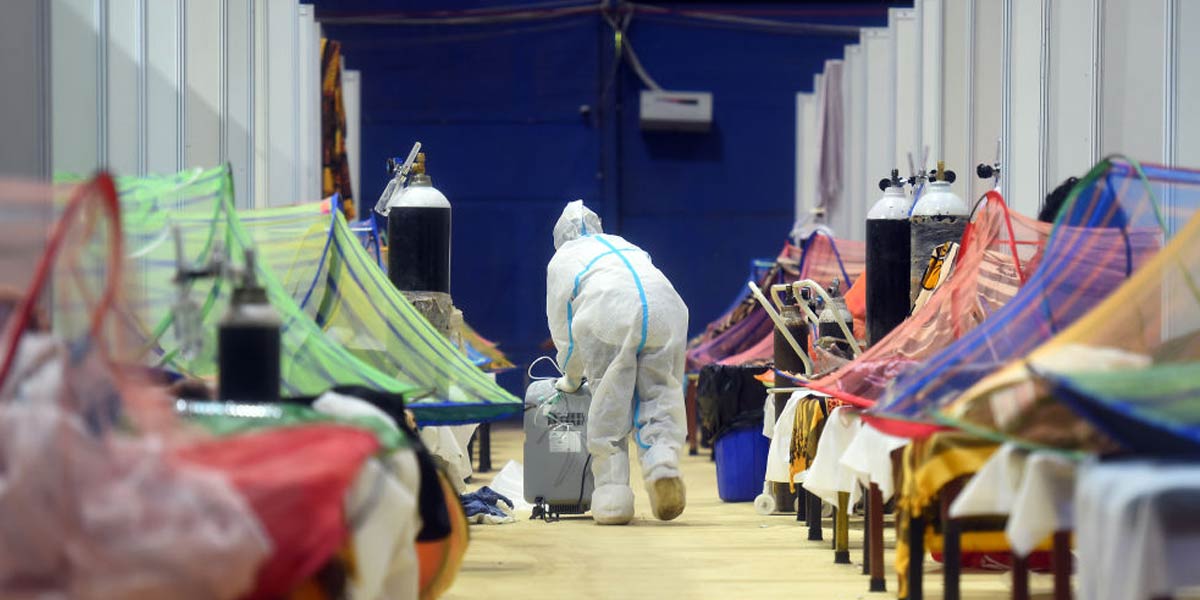
The greatest concern, however, is the country's medical system being overwhelmed.
Hospitals are struggling to find beds for the serious cases and with morgues and crematoriums well over capacity, people have resorted to burning bodies on rooftops.
#IndiaMaafNahiKarega
— Mujahid Pasha (@mujahid96327777) May 3, 2021
India is worst hit by the second wave of Covid 19. Meanwhile other countries are getting back to normal, India still suffers.
📍Lack of Oxygen
📍Lack of beds in hospitals
📍Lack of life saving drugs
📍Lack of Oxygen cylinders pic.twitter.com/ddtK9VWtHZ
Are any countries helping?
What is a small silver lining to a difficult situation is the banding together of countries around the world to help India out.
Germany sent India 23 mobile oxygen generation plants; Saudi Arabia sent 80 metric tons of oxygen; Singapore donated four cryogenic oxygen tanks; the UK flew 140 ventilators and 495 oxygen generators; and the US sending oxygen supplies, COVID-19 tests, drug treatments and PPE.
Australia is currently discussing with India how they can help improve the situation.
Why is Australia banning returning travelers?
As of 3 May, the Australian government has brought in a temporary travel ban on anyone who has visited India within 14 days of their arrival in Australia.
Anyone who breaches the new rule could be slugged with a $66,000 fine and possibly even some jail time marking the first time Australians have been criminalised for returning home.
The new law now leaves almost 9,000 Aussies stranded in India with no way of getting back on Australian soil.
The new law, though designed to protect the Australian medical system, has been slammed by people online labelling the rule as racist.
It absolutely IS racist that people flying to Australia from India could face up to five years jail. When the US, Italy, the UK, and Spain were seeing horrifying numbers, at no point was a punitive response considered. One rule for people of colour, another for white people.
— Néha Madhok 🏳️🌈 (@MadhokNeha) April 30, 2021
Australia should be chartering dozens of planes as we speak to bring as many Australian citizens home from India as we can.
— Alan Sunderland (@asunderland) April 30, 2021
The return legs of those flights should be full of oxygen tanks and other urgent medical supplies.
To do any less than that is unconscionable.
At the moment, the travel ban is set to be lifted from 15 May.
Header Image: Hindustan Times / Contributor via Getty Images





Comments & Feedback
Share your opinion
Emoji cheatsheet Formatting Comment guidelines