What It's Really Like To Live On Struggle Street
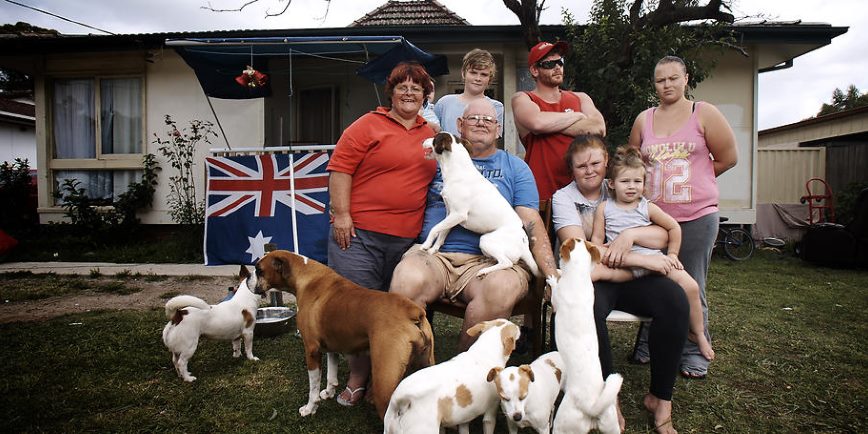
With Struggle Street's first season ended, we wonder if the controversy it generated was deserved.
SBS’s most controversial program in recent times has been the topic of a number of different media outlets lately; some quick to criticise, others quick to pass judgment on the people within the show.
Struggle Street was a three-part series that came to an end this month. It documented the lives of the people who are suffering within the community of Mt Druitt, NSW, or, as I called it for 18 years, home.
The controversy has extended beyond the town it is based, with the Mayor of Blacktown ordering a blockade of SBS headquarters before the first episode went to air. The fear was that a mockery was to be made of the entire town, further emphasising the stigma that surrounds the suburbs of Western Sydney.
One of the things the documentary actually does best is create a level of empathy for the people on “Struggle Street” instead of making them the laughing stock that was initially feared. However, most viewers ignored this and quickly made jokes on Twitter and other social media.
Yet, I have to say, despite the currently popular opinion, Western Sydney isn’t all that bad.
After watching the documentary, from firsthand experience, I see there is a lot of spin. The fact that the mall strip - a recurring feature of the show - backs onto a Westfield Shopping centre, housing a number of luxury stores, has been greatly ignored and the pockets of quiet suburban paradise which many people in the area enjoy living in don’t exist to the cameras.
International success stories such as Toni Collette, Yvonne Strahovski, Rebel Wilson and Simon Baker spent parts of their childhood growing up in the Greater West too.
(Sure, we hear enough stories about people rising from humble beginnings, but in a show where the focus is on how people are coping with their lives within Mt Druitt, why should we ignore the fact so many great names have emerged from the area?)
I believe the show, in its attempt to raise awareness of the setting's stigma, added to it by ignoring the fact that there are many people on "Struggle Street" who have achieved so much. The real loss here is for Western Sydney itself.
After personally moving out of “Struggle Street” to the Inner Western Suburbs of Melbourne, I can see clear parallels: people who have hit hard times; evidence of vandalism; even a very similar stigma of people from the area and what goes on after dark.
In fact, everywhere I’ve been draws clear parallels to what’s been displayed on the show and to what I’ve experienced.
The idea of “Struggle Street” isn’t exclusive to areas that have the reputation for being bad, run down or having high crime rates. If you’re willing to look deeper, there are going to be people everywhere who have hit hard times or have been dealt a rough hand.
All throughout Australia and no doubt the world, you'll find a “Struggle Street” on every block.
Blake Riley is one of Student Edge’s student contributors. Learn more about the contributors program.
Topics
Ref: 51489115-5b4c-4811-b460-a49c0045918d





Comments & Feedback
Share your opinion
Emoji cheatsheet Formatting Comment guidelines