The Backlash to “13 Reasons Why” Is Good and Here’s Why
Trigger Warning: This article discusses suicide.
There was no sugar-coating in sight when 13 Reasons Why sought to discuss the big issues circulating in high schools today: suicide, rape, cyberbullying… the list goes on.
(Mild spoilers ahead.)
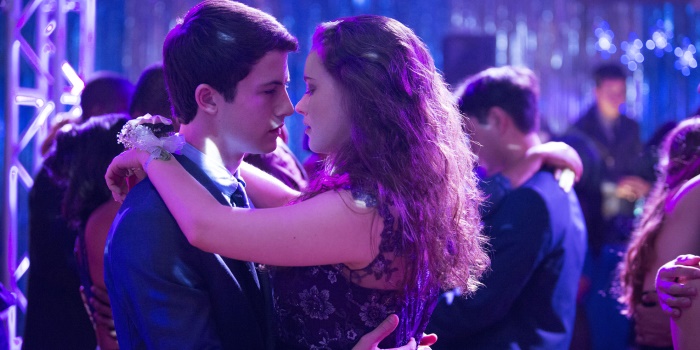
Centered on the suicide of high schooler Hannah Baker (Katherine Langford), the show gets its title from a series of cassette tapes addressed to her fellow students, explaining why they were responsible for her death. When the show begins, her friend Clay Jensen (Dylan Minnette) receives the set of tapes, and as he listens we learn about the circumstances that brought her to a tragic end.
There is no doubt that this Netflix sensation has left a lasting impression on viewers and critics alike, all with varying opinions on the show’s brutal honesty.
New Zealand has restricted under 18s from watching without supervision, Canadian schools are banning discussions of the show on campus and, locally, headspace and some WA colleges have expressed concern over the way the show explores the theme of suicide.
Maybe the producers made a mistake in making the show too graphic.
Or maybe they didn’t.
If the show’s backlash has put the subject on almost everyone’s lips, perhaps it has achieved the desired effect. The issues it explores are very hard for the media to discuss without generating at least some criticism, 13 Reasons Why being a perfect example. But if the criticism gets people discussing these issues, and statistics about teen suicide and bullying in schools can be brought further to light, then maybe the show has done us a service.
(Understanding Suicidal Thoughts: If you’re having suicidal thoughts, you can call Lifeline on 131 114 or Kids Helpline on 1800 551 800 and speak to a counsellor 24 hours a day, seven days a week.)
Throughout 13 Reasons Why, negative consequences occur whenever the characters choose not to say anything. Arguably everything bad that happens to the students after Hannah’s suicide happens because of their lack of honesty. The moral of the story being: no matter how bad things get, no matter how deep in a situation you feel you are, you should always turn to someone and talk it through.
Of course, this brings me to one issue I had with the TV show: the negative way in which the parents and teachers are portrayed, leading one to assume that they are untrustworthy, hurting the above suggestion that young people should seek help when they need it.
Yes, the TV show is extremely graphic and not suitable for teens under the age of 18. I also believe much of the controversy is deserved. But with one in four Australian students being bullied every few weeks, we can no longer afford to sit in comfortable ignorance, and if one graphic and potentially problematic TV show had to happen in order for the globe to start taking an inward look at how it handles these issues, then maybe 13 Reasons Why was not such a mistake.
This is my favourite Clay Jensen quote: “It has to get better, the way we treat each other and look out for each other. It has to get better somehow.”
I couldn’t agree more.
Are you experiencing suicidal thoughts or domestic and family violence? Seeking to support someone who is? Call Lifeline on 131 114 or Kids Helpline on 1800 551 800.
Visit ReachOut to get support to help you with everything from everyday issues through to tough times.
Georgia Clements is one of Student Edge’s student contributors. See more student contributions here.
Photo: Netflix
Topics
Ref: 956ebd40-62ff-4277-b06f-a7690069c85b
Most Popular



Comments & Feedback
Share your opinion
Emoji cheatsheet Formatting Comment guidelines
agreed