The Environmental Cost of a Loaf of Bread Will Give You Double Carb Regret
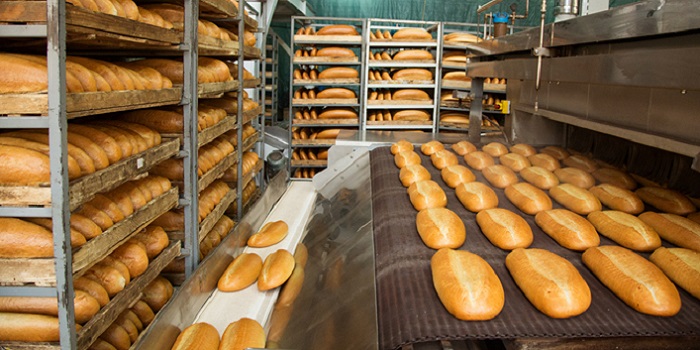
Scientists have launched an in-depth analysis into the environmental impact of a single loaf of bread, from the farm to the shop shelf.
What they found won’t be the best news for environmentally conscious carb lovers.
According to the BBC, the use of fertiliser to grow wheat accounts for 43 per cent of greenhouse gas emissions.
Researchers at the University of Sheffield wanted to assess the environmental impact of a common, daily staple. (Something you’d likely have for breakfast, like, every morning).

The team gathered data for emissions involved at every stage of the process; from growing the wheat, to fertilisation and then harvesting. Not stopping there, they also analysed data from transporting the grains to the mill, grinding the grains into flour, transporting the flour to a bakery, and then baking and packaging the loaf.
Lead researcher Dr Liam Goucher argues every single loaf of bread embodies global warming because of the gargantuan amount of fertilisers used by farmers to increase their wheat harvest.
“People are well aware of where bread comes from but there’s a lack of understanding about perhaps the environmental impact of that bread or the emissions contained by that bread,” Goucher said.

Ammonium nitrate based fertilisers are being used “at unsustainable rates,” say researchers. “With over 100 million tonnes of fertiliser used globally each year to support agricultural production this is a massive problem,” warned Professor Peter Horton, a co-researcher on the study.
The team hope analysis of this sort will be used to create a market for foods with lower emissions in the future. Think, going into a supermarket or bakery and asking for “climate-smart bread”.
Exciting things to come for bread, apparently.

Photo: Giphy and iStock
Topics
Ref: f78c213c-86fa-432b-ae17-a7280034fd6c






Comments & Feedback
Share your opinion
Emoji cheatsheet Formatting Comment guidelines