Students Take Over to Protest Climate Change Inaction: "We're Definitely Not Stopping Here"
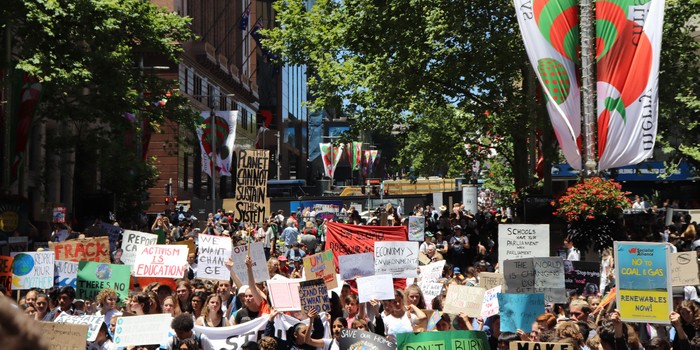
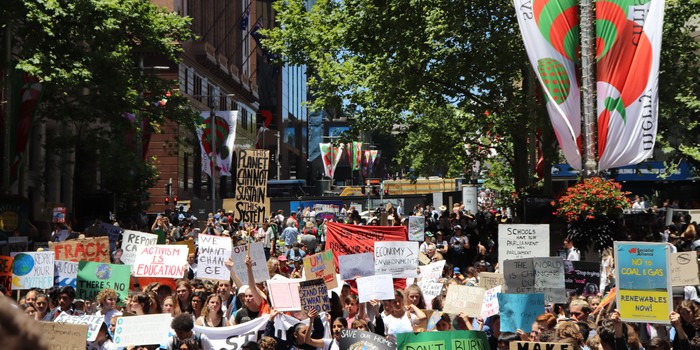
Sydney's Martin Place was overtaken by a swarm of students today.
Cities across Australia saw primary and secondary students hit the streets to protest the government's inaction over climate change.
In Sydney, an overrun Martin Place was made almost unrecognisable.
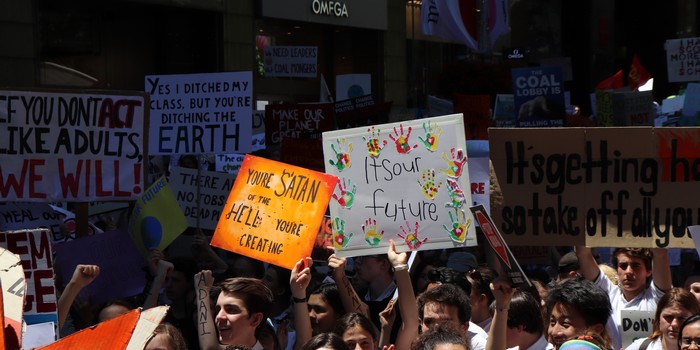
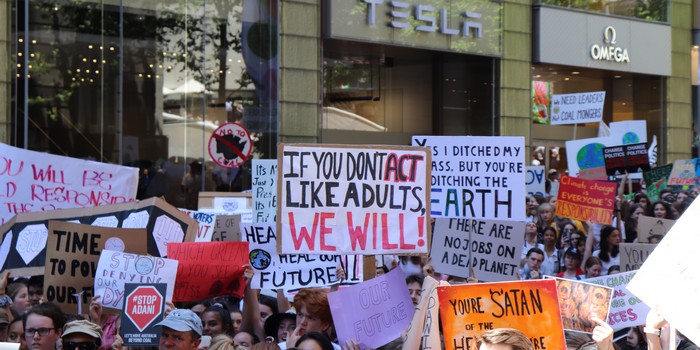
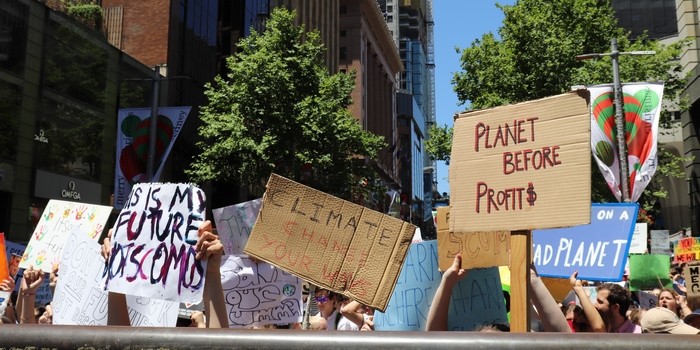
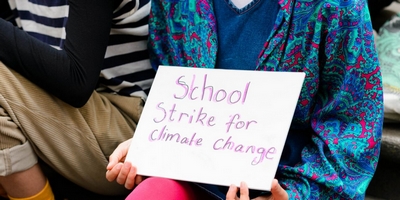
It's all thanks to School Strike 4 Climate Change; an initiative run by high schoolers that encourages students around Australia to take the day off school to rally for climate change. Politicians, such as the Prime Minister, have certainly noticed.
They have three primary goals, according to Year Nine student and Sydney rally organiser, Jean Hinchliffe.
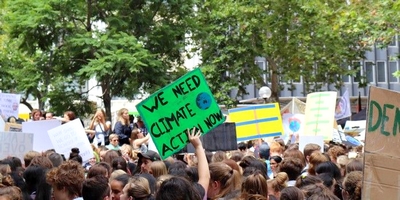
Jean explained that they want to stop Adani, stop introducing any new sources of fossil fuels and, finally, they want Australia to run off fully renewable energy by 2030.
She said that the government's approach to climate change just isn't doing enough to help fulfil these goals. That's why she got involved and helped to organise the Sydney rally.
"I felt like I had the responsibility to do something," Jean told Student Edge at the event.
"I knew that there were lots of kids that wanted to get involved.
"The turnout was amazing; we had so many kids and everyone's so enthusiastic.
With the majority of rallies now completed around the country, Jean explained that it didn't mean the end for the initiative.
"Some students have already been organising strikes early next year," Jean said.
"We're definitely not stopping here; there's a lot to organise from here."
Read more:
"We Can't Sit Around": Aussie Students Are Skipping School to Combat Climate Change
What Is Australia Doing to Combat Climate Change in a Trump World?
A Convenient Truth: You Can Help Stop Global Warming From Home
Header Image: Sarah Basford
Topics
Ref: 76268e6e-ea28-4031-af09-a9a8004cd134




Comments & Feedback
Share your opinion
Emoji cheatsheet Formatting Comment guidelines