What Is Australia Doing to Combat Climate Change in a Trump World?
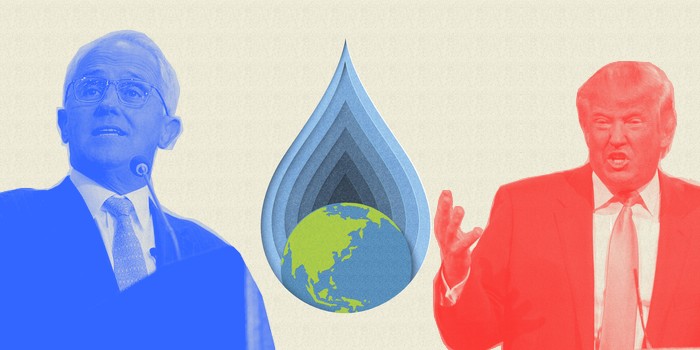
Donald Trump is no stranger to the climate change-denying crowd, but in case anyone was unsure, he has made his views as President crystal clear.
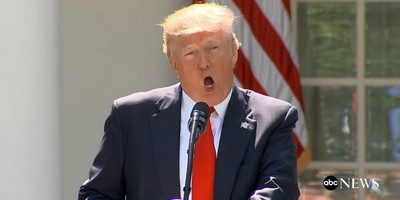
During an announcement in the White House’s Rose Garden, President Trump pulled the U.S. out of the 2015 Paris Agreement, claiming he was "elected to represent the citizens of Pittsburgh, not Paris."
The Paris Agreement was initially ratified by then President Barack Obama and came into effect on November 4, 2016, four days before the presidential election.
While President Trump will pull the United States out of the agreement officially, many businesses and states within the U.S. have stated they are still committed to reducing their emissions in accordance with the agreement.
But while most people are familiar with the agreement's name, many are still confused by what it is, other than an agreement to limit each country’s impact on climate change. We spoke to Dr. Luke Kemp, Associate Lecturer at Australian National University, to become a little more acquainted with the agreement.
So, what actually is the Paris Agreement and why does it matter?
The Paris Agreement was born out of a desire to get all nations on board with combating climate change, and to measure those effects.
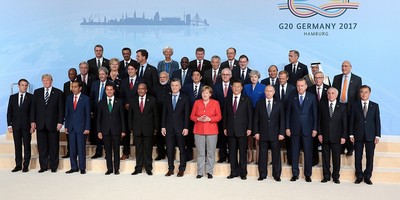
This included the United States, who had previously rejected ratifying the earlier agreement, the Kyoto Protocol, due to its binding nature (which meant the possibility of getting in trouble if you didn’t meet targets).
The agreement's primary aims are to keep the increase of the global average temperature to well below two degrees Celsius, to develop low greenhouse gas emissions projects and to ensure businesses adhere to "low greenhouse gas emissions and climate resilient development."
The Paris Agreement, however, is not binding, and relies on countries pledging to meet these targets to reduce emissions, but facing no repercussions if they don’t.
"The agreement itself is quite weak in terms of legal substance," Kemp told Student Edge.
"There’s no way of ensuring that countries actually meet their pledges and reduce emissions effectively."
He explained all that was required of countries, including Australia and the United States, was to put forward a new pledge every five years.
"So, it’s a global show-and-tell where countries are supposed to be pressured by other countries and by their own constituents to increase their targets every time,” he explained.
It's particularly important for countries like China, the highest polluter in the world, where pollution directly affects its cities' populations with smog. (America is close behind in second place, with 5,414 million metric tonnes of carbon dioxide emissions released each year.)
Australia has committed to reduce emissions to 26 - 28 per cent on 2005 levels by 2030.
Is Australia holding up its end of the bargain?
Unlike the U.S., Australia did ratify the Kyoto Protocol in 2007 after Kevin Rudd became Prime Minister. It also didn’t come as much of a surprise when Australia ratified the Paris Agreement in 2016 under a Malcolm Turnbull government.
In terms of Australia’s role within the agreement, Dr. Kemp explained that it ranged from ensuring that the agreement was universal and that it wasn’t legally binding.
"Unfortunately on the domestic front, we are not acting in the spirit of the Paris Agreement," Dr. Kemp admitted, given the recent news of the initial approval of the proposed Adani coal mine. He said that building new coal mines is completely incompatible with the agreement.
In terms of policy for combating climate change, it’s also not looking great. Dr. Kemp explained that while emissions reduction is the cornerstone of Australia’s climate change policy, its execution has been ineffective.
The Abbott Government’s policy of Direct Action is still in place and, as Dr. Kemp clarified, it operates like a credit scheme. Essentially, it works on a system where the government provides a baseline for different sectors’ future emissions. Companies then have to propose initiatives to reduce their emissions below that baseline and then bid for government funding to enact those initiatives.
"This has proven to be an extremely costly measure, far more costly than a price on carbon," Dr. Kemp explained. "It’s also proven to be ineffective, with carbon emissions actually increasing last year."
Released in December, the government report confirms that there was a 0.8 per cent increase in emissions between June 2015 and June 2016.
Despite this, the government has attributed the Direct Action Plan with keeping the country on track to reducing emissions to five per cent below the 2000 levels; the equivalent of 13 per cent below the 2005 levels.
What can the rest of us do to combat climate change?
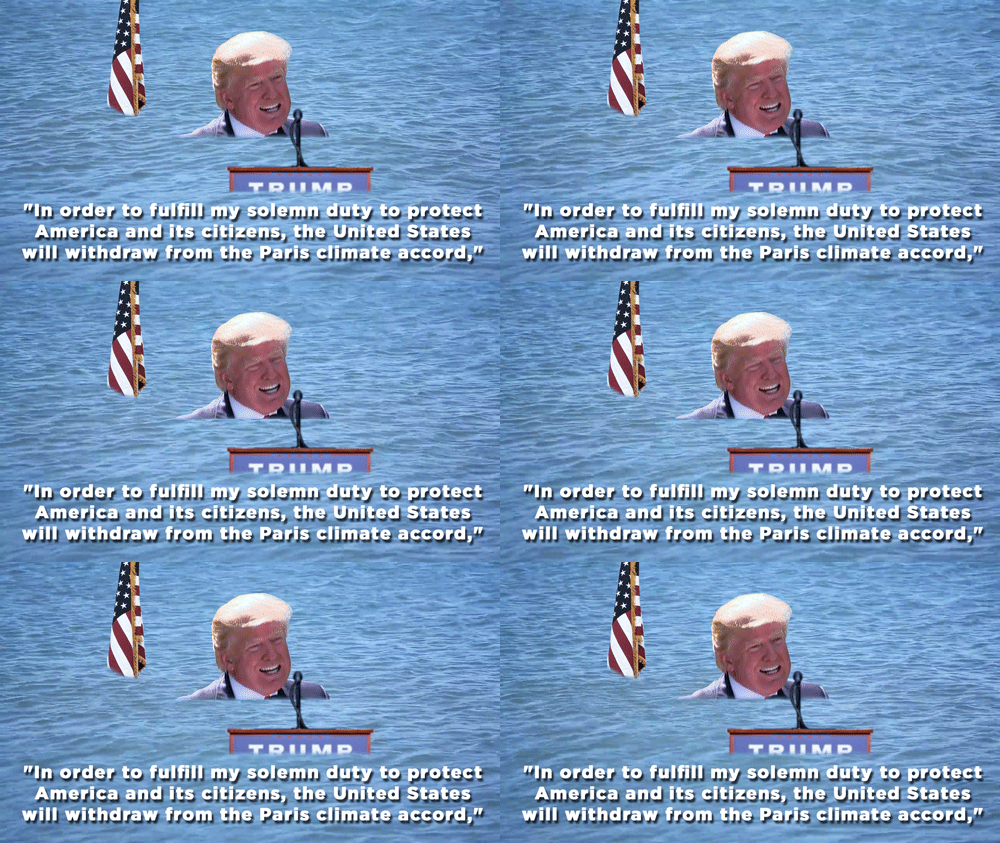
It may seem that all we can do is wait and watch as our leaders make decisions about the future of the planet.
But there are organisations you can join that are dedicated to lobbying governments to enact better policies. These include the Australian Youth Climate Coalition and Seed Mob, who are making steps towards affecting change.
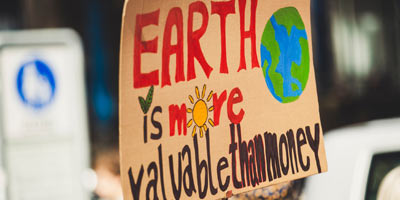
The best way to combat climate change is to get involved; otherwise, governments will continue to look at this issue as something only hippies and scientists care about.

Photo: Flickr (Gage Skidmore) / Flickr (CSIS) / iStock
Topics
Ref: 2f0f75e2-4907-4cc6-9192-a78d005a3016



Comments & Feedback
Share your opinion
Emoji cheatsheet Formatting Comment guidelines