Book Review: So You’ve Been Publicly Shamed, By Jon Ronson
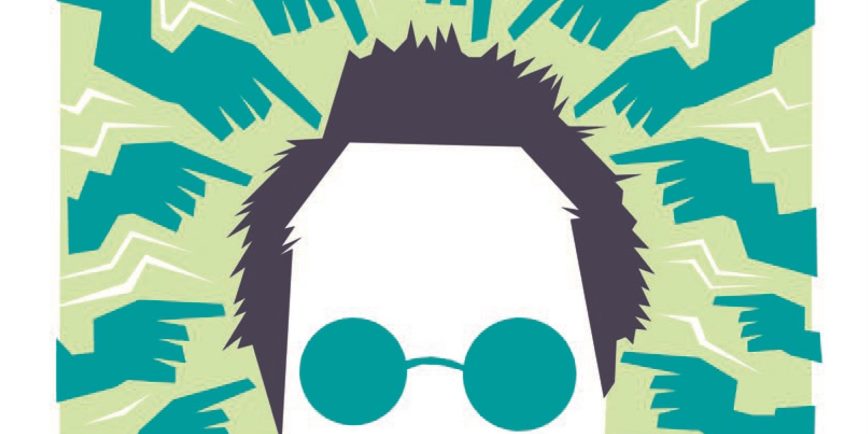
Jon Ronson plunges headfirst into the shame turbine that is Twitter, investigating the wreckage of the ruined lives that went before him.
On the internet, we are sharks; out for blood and always moving forward. Journalist and author Jon Ronson forces us to make like a salmon and look backwards in his new book, So You’ve Been Publicly Shamed.
Inspired by a Twitterbot that took his identity and damaged his reputation by presenting him as a foodie (the outrage!), Ronson wonders how life has changed for those poor souls who unwittingly wound up – far more severely - the brunt of the internet’s ire.
The Welsh writer, now based in New York, meets with Justine Sacco, the PR consultant who made an AIDS joke before boarding a plane to South Africa, started a Twitter firestorm, and effectively lost her job before landing. He catches up with Lindsey Stone, a young woman similarly sacked from her position at a charity after posting a joke picture on Facebook that angered the outrage police. He interviews Jonah Lehrer, a disgraced plagiarist whose public apology only saw him pilloried in real-time by the live-tweets broadcast beside his head, as if his neck was being held in the stocks of an olde-timey village.
Ronson eventually visits the set of an adult film in which its subjects willingly submit to all kinds of unspeakable shamings, and he reaches the conclusion that, actually, the humiliation being doled out online is way worse.
For the rest of us, life has scrolled on like Twitter’s ceaselessly updating feed, presenting new chum on which to feed. For those who’ve been shamed, their lives remain in stasis. No new jobs. No new dates. Why open themselves up to new people, when it would only inspire an embarrassing Googling (and not like the kind from that film set).
Ronson follows up the work he began with books The Psychopath Test, Them and Lost at Sea (though the latter is actually collection of essays from various publications), chatting to social pariahs with a kind of frustrated empathy. (It’s almost as if he recognises himself in them too keenly.) He doesn’t reveal that each of these modern-day Hester Prynnes are secret saints, however. Far from it. Sacco and Stone get Ronson's sympathy, but he’s particularly unmoved by the plights of Lehrer and truth-twisting This American Life monologist Mike Daisey. He is impressed by their ability to return from the woods with a semblance of success, leading us to wonder if second chances on the internet are afforded only to men.
The real villains, in each of his books, are the structures that put these pariahs on the outer. The monolithic monsters this time around are Twitter, as a more abstract representation of the judges, jurors and executioners that make up its population (and of which Ronson admits to being a frequent hangman), and Google, as the internet’s unforgiving memory bank, keeping these moments of shame from ever being eradicated. The book’s redemptive arc comes to a close with Ronson hiring some web-savvy experts to break the system, flooding the internet with non-shameful information on Lindsey Stone, hoping to push her picture to Google’s second page – where only the “weirdos” roam – and restore her good reputation. Type her name into your browser to see if it worked.
At a touch over 300 pages, you’d be alarmed how quickly So You’ve Been Publicly Shamed flies by, courtesy of Ronson’s self-deprecating wit, always making palatable scholarly social theories and cloaking some cunning insights into our penchant for cruelty. Sharing much in common with the works of British satirist and commentator Charlie Brooker (the man responsible for Weekly Wipe and Black Mirror), So You’ve Been Publicly Shamed is a hugely entertaining and hopefully humane-making read. Good luck reveling in the misfortune of others afterwards.
4/5
So You've Been Publicly Shamed is now available.
Topics
Ref: 956688cc-dae6-4e7c-9eb6-a464008e91c2






Comments & Feedback
Share your opinion
Emoji cheatsheet Formatting Comment guidelines