Should Hate Speech Be Allowed On Social Media?
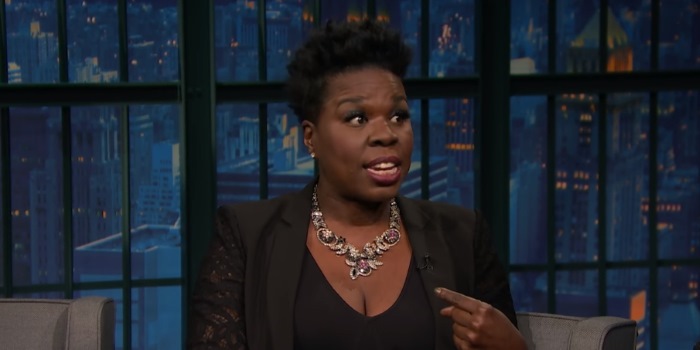
Following the attack on Ghostbusters star Leslie Jones, we put the question to our members. Here was our favourite response…
Social media - whether it be Facebook or Pinterest or YouTube - is accessible to everyone, thanks to technology like smartphones.
Because there is such a large and consequently diverse group of people using social media, their different values often create interesting debate on ideas such as gay marriage, the #BlackLivesMatter movement and even the latest celebrity gossip.
Although social media may be an environment for sharing thoughts and feelings online, it can also be a dark place with unnecessary messages of hatred, violence and bullying. A recent example is Leslie Jones’ harassment over her role in the new all-female Ghostbusters. Over Twitter, she was attacked by bigots, racist and trolls (users saying ‘controversial’ things in order to get a reaction). None of the Tweets directed at Leslie were constructive criticism on her role in her new flick or her role on Saturday Night Live or her personality; they instead were superficial comments, putting her down because of her race and gender. Some of the comments even contained death threats.
Surely that is where the line should be drawn. Though social media should allow us to share our own thoughts and opinions on an idea or a person, there is a huge difference between “I didn’t like that movie or performance” and “This person should die because of their race”.
This kind of behaviour is obviously distressing to the person it is directed at, as well as other patrons of the social media space. Therefore, I believe all the people saying hateful things through their screens should be punished; similar to the way in which the man who attacked Senator Nova Peris on Facebook was arrested and charged.
A simple punishment could be taking away the privilege of social media use. When it gets to a level of threatening violence, however, police should be involved, and the courts can decide on a suitable punishment.
There isn’t going to be a foolproof way to assure consequences for all attackers. Anonymous hatred means some victims have had to learn to just ‘ignore it’ or understand ‘that’s just how it is’. Therefore, victims and witnesses should be taught to know when to stand up to bullies – or, to learn about the block or mute buttons, instead of letting the tormentor win or receive the reaction they want.
In conclusion, there is a point where your free speech and free thought can cross over into bullying and incompetent hatred. At that point it should be stopped and legal penalties should be put into place.
Congratulations to Sarah for winning this writing challenge, answering: Should Hate Speech Be Allowed On Social Media? Sarah wins a $50 Westfield gift card for her submission. For your chance to win, check out our latest writing challenges in our Comps section. Also, be sure to follow this guide on how to win the writing challenge!
Photo: NBC.
Topics
Ref: c840a68e-d475-46aa-ae77-a65500532237


Comments & Feedback
Share your opinion
Emoji cheatsheet Formatting Comment guidelines