Report Reveals That Increasing Minimum Wages Can Also Increase the Hours You Work
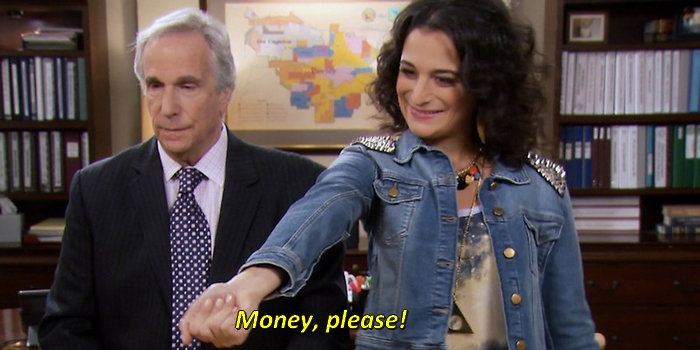
Pin this for next time there's a minimum wage increase.
Whenever there's talk about raising minimum wages in Australia, the usual suspects appear. Columnists pen hot takes about how it'll send negative ripples across the economy and big wigs in the industries that will be affected argue they're not making enough money to pay more and will have to cut hours and even jobs in response.
It's a real show.
But now, the Reserve Bank of Australia has released a report that counteracts a lot of these arguments.
Firstly, unlike other countries around the world, Australia has multiple minimum wages, which depend on the field you work in. The absolute minimum wage you can be paid in Australia for full-time work is $694.90 or, per hour $18.29.
So, the report looked at all these award wages from 1998 to 2008 and found that the opposite is, in fact, usually true.
"I find no evidence that award changes have an adverse effect on hours worked," the report stated.
"Jobs with larger award wage rises had larger increases in hours worked than jobs experiencing a smaller award wage rise."
In case you needed to hear that even clearer for those in the back, the report found "no evidence that these small, incremental increases in award wages have an adverse effect on hours worked or the job destruction rate" and "estimates suggest that the job destruction rate actually declines when the award wage is increased."

It should be noted, however, that these results related to adult wages, which include anyone 21 and over.
So, now the ball's in your court, employers. What do you make of this?
Photo: NBC
Topics
Ref: bed226bc-b1f9-4f7f-b2a8-a8e4001a748d





Comments & Feedback
Share your opinion
Emoji cheatsheet Formatting Comment guidelines