Report Finds New Zealand, South Sudanese Migrants Experience Most Discrimination In Australia
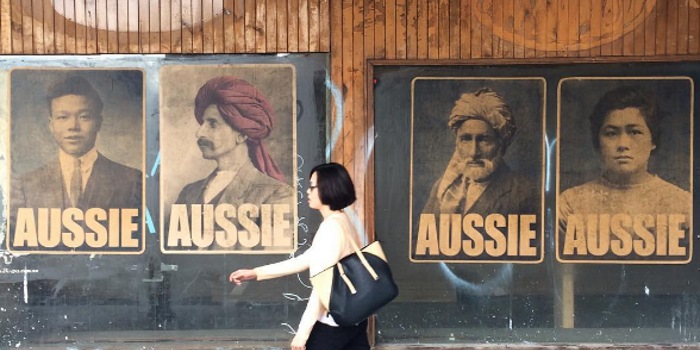
Australia would like to consider itself a hub of multicultural exchange and a home to intermingling communities from around the globe.
But the recent rise of Pauline Hanson’s One Nation party (on the back of an anti-Islam agenda) and the ongoing controversy over our asylum seeker policy has left many Aussies questioning our assumed national identity.
A new ‘Australians Today’ survey conducted by Monash University, Scanlon Foundation and Australian Multicultural Foundation has further poked holes in our understanding of Australia as a welcoming and accepting nation.
According to the ABC, their survey of more than 10,000 people found that those from New Zealand and South Sudan face the most discrimination of all migrants in Australia.
Of South Sudanese respondents, 59 per cent said they had experienced discrimination by the police over the past 12 months. Also disturbing was the finding that 17 per cent had been subject to a physical attack in the past year.
Overall, 77 per cent of South Sudanese respondents reported discrimination in Australia, compared with 75 per cent of Zimbabweans, 67 per cent of Kenyans, 60 per cent of Ethiopians and 53 per cent of Egyptians.
New Zealanders, in contrast, expressed frustration with not being able to vote or collect welfare with their Special Category Visas (despite Australians being eligible for full citizenship in New Zealand). Further, 28 per cent of Kiwi respondents said life in Australia was more negative than expected.
For what it’s worth, only 13 per cent of all migrants who arrived in the last fifteen years said they are “very unhappy” or “unhappy” in Australia, and only six per cent said they were “strongly dissatisfied or dissatisfied” with their life here. Almost 65 per cent of those who have arrived on our shores since 2001 said they feel a “sense of belonging”.
Muslim Australians – a diverse group that said often feels “lumped as one” – indicated a strong sense of belonging in Australia, with 72 per cent saying they felt it to a “great” or “moderate” extent. However, the survey found that some groups of Muslim Australians had faced “relatively high levels of discrimination over the last twelve months”. Reports of discrimination by Muslim women was 50 per cent higher than reports made by men.
Muslim respondents also noted a “deterioration in relations” over the past year, for which they blamed politicians and the Australian media as being responsible for “inciting division within the community”.
You can find the full report here. Good reading ahead of Australia Day 2017.
Photo: Instagram / @peterdrewarts.
Topics
Ref: 8196800f-1434-41c3-9022-a66c00294002



Comments & Feedback
Share your opinion
Emoji cheatsheet Formatting Comment guidelines