It’s ‘R U OK? Day’ Today and Like, Really…ARE You Okay?
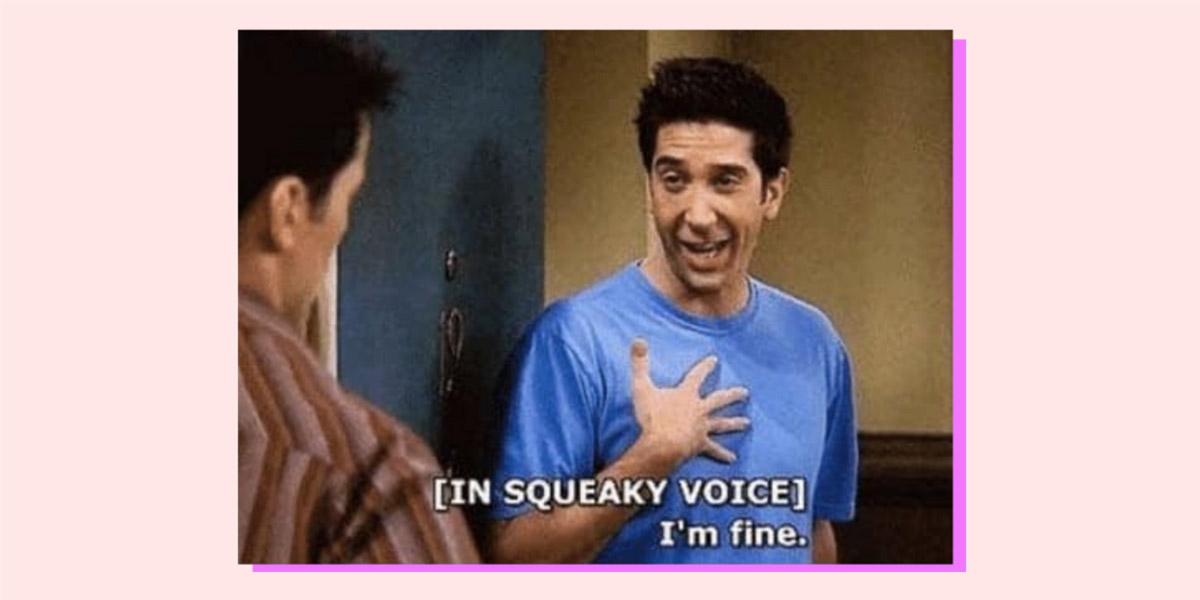
Your mates are here to listen.
There’s a good reason your school will be parading R U OK? Day today.
The word is out, and students are struggling across several areas of their lives, especially around stress.

There’s an upside to this; and it’s that your peers are often going through exactly what you are, even if it doesn’t seem like it. Talking to them, being a good listener, and sharing your own experiences if you want to is really important.
Hands up if you’ve got an awful lot of stress on your shoulders at the mo’?

According to the Studiosity Student Wellbeing Report, written by Student Edge in partnership with Studiosity, it turns out 74 per cent of students across Australia feel stressed at least monthly. And 34 per cent at least once daily.
That’s a whole lot of stress-heads, and it impacts different facets of their lives.
Procrastination, for example. Stress is a key trigger for putting off that assignment you’ve been needing to do, making that big decision, or committing to something you know you should. Eight in ten students struggle with procrastination, especially females—so you’re not alone.
So, how does R U OK? Day work? It’s built around four simple actions, and you can start them anytime.
Ask “R U OK”?
This simple question can go a long way.
Even if the person you’re asking doesn’t want to respond truthfully, knowing that someone cares enough to ask can be the most important thing.

And if they do respond—you can continue with the next three steps.
Listen.
And really listen. It’s all well and good to ask a simple question, but if that person can see that you don’t truly care, it negates the whole purpose.
It’s key to not always inject your own experiences into the conversation straight away. You need to respect the other person’s troubles as having their own, individual value.
Gauge how they respond, and then you can get to the nitty gritty.
Encourage action.
Depending on the severity of their situation, you may need to gently encourage them to take some action.
If it’s stress that’s affecting their ability to focus on studies, for example, you could suggest doing some stress relieving activities with them such as going on walks or studying together in a nice environment. If you’re unsure, just ask: “How would you like me to support you?"

If anything they say sounds alarming to you, it could be too big for you to take on alone. R U OK? has a list of immediate support services here.
Check in.
After your chat, make a mental or physical reminder to check in on them and follow through.
You could say: "I've been thinking of you and wanted to know how you've been going since we last chatted."
They will appreciate being thought of.

R U OK? has a huge number of resources on their website for more information.
We’re also releasing a course on all things mental health through Student Edge Plus, which will equip you with the mental health toolset you need.
If you or anyone you know needs help, support is available right now. Call Lifeline on 131 114 or Kids Helpline on 1800 551 800.
Visit ReachOut to get support to help you with everything from everyday issues through to tough times.
Topics
Ref: 413b0f51-a8e3-44dc-a4e3-af0900308777






Comments & Feedback
Share your opinion
Emoji cheatsheet Formatting Comment guidelines