Invisible Illnesses: What To Do When You Have A Panic Attack In A Public Space
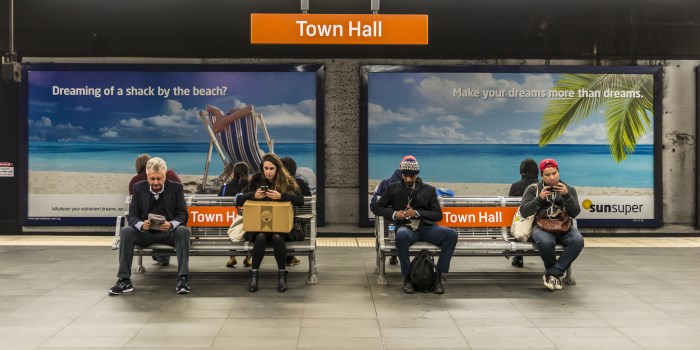
Recently, we published an article in which I argued for the Australian implementation of 'please offer me a seat' badges for those with invisible illnesses.
In the Facebook comments section, someone asked: "What about mental illnesses?"
In the original article, I struggled with whether I should address this very topic.
I strongly believe mental illness should be included in all discussions on invisible illnesses and accessibility, but I didn’t want any mention to appear tokenistic or flippant.
And, admittedly, I was worried about writing something scary and then putting it out into the big, bad world of the internet, especially since I had just gone through a panic attack on public transport.
So, I kept the focus on my knee.
I've suffered from anxiety and depression for about three years (officially). This has meant a life of yin and yang in the weirdest possible way: frantic worry and constant overthinking pressed up against an overwhelming lethargy and detachment.
For me, one of the most distressing parts about living with mental illness is the panic attacks that often accompany my anxiety.
Panic attacks are surprisingly common; up to 40 per cent of people will experience a panic attack in their lifetimes. However, a one-off panic attack does not necessarily mean someone has a panic disorder. Around five per cent of Australians will experience panic disorder in their lifetime and about 2.6 per cent of people experience panic disorders over a 12 month period.
Symptoms of a panic attack include a sense of overwhelming panic or fear, feeling like you are dying or choking, an increased heart rate, breathing difficulties, excessive sweating and/or dizziness.
They can occur at any time or place, which makes predicting and dealing with them particularly difficult.
This brings me to panic attacks in public.
Around two weeks ago, I was on a train. It was an extremely hot day and there was no air conditioning. I began to feel anxious as people kept packing into a carriage that was already bursting. It became not only unbearably humid, but also noisy and very, very crowded.
I became incredibly sweaty and dizzy. People were pushing in on me from all sides, it was claustrophobic, and I felt like I was being filled with hot and heavy air, while simultaneously not having enough air.
I knew it was the beginning of an attack, but I couldn’t stop it.
I didn’t have a quiet space to retreat to, or fresh air to inhale deeply. I didn’t have a loved one to help me, or a place to sit and close my eyes. All I had was this swaying, stranger-filled, oven-like train.
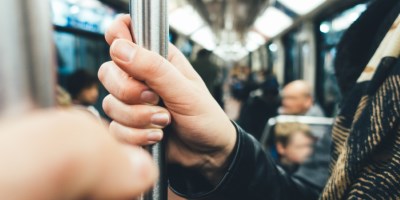
I started to feel nauseous, and my breathing became more ragged and desperate. My throat felt like it was closing up, and my hand kept slipping off the small piece of railing I had claimed.
I needed to get off and I knew I would have to escape this sardine can at whichever station was next. But a guard’s voice came over the speaker, informing us that this was an express train going straight through to my stop, another 30 minutes away.
It was ten minutes before I realised I couldn’t stand or breathe anymore, and I sank down to the dirty floor to sit and regain some balance.
Nobody spoke or offered to help, but I managed to regulate my breathing by staring at their legs. I thought about their legs pressed into the floor of the train, which was pressed into tracks, which were pressed into the earth.
When I finally got off that train, I was both relieved and upset. I felt really tired and really overwhelmed, and yet the whole thing seemed so avoidable.
Not only could my attack have been prevented by a better public transport system (air-conditioning, enough services to meet demand and prevent overcrowding) but I know that a ‘please offer me a seat’ badge would have helped me enormously.
It’s not shameful to have an invisible illness. It is a shame that public spaces still remain inaccessible to those who need access the most.
If you suffer panic attacks, you can try to limit the severity of any anxiety by knowing what things make you calm and using them. Whether it's carrying a book around, creating a Spotify playlist or always having a bottle of water on you, knowing that you're equipped with happy things is calming in and of itself. And if you do experience an attack in a public place, having those things on hand really helps.
If you know someone who experiences panic attacks, or you see somebody who you think might be experiencing a panic attack, it's important to listen, as well as respect their space and autonomy. Some find it helpful to have their hand held during an attack; others won't want to be touched. Some people may like you to do breathing exercises with them, while others might like to be left alone. Ask the person what will help them, and listen to their answer. They know what's best.
Brittney Rigby is one of Student Edge’s student contributors. Learn more about the contributor program.
Photo: iStock
Topics
Ref: f2fd5df3-3bd8-463b-9bb6-a6de007eeb9e


Most Popular
Comments & Feedback
Share your opinion
Emoji cheatsheet Formatting Comment guidelines
Omg I experience exactly the same thing every time I'm on public transport during rush hour or if I'm in any other crowded place! I definitely agree with you about public spaces needing to take in consideration people with this invisible condition. I wish every public space had an escape room with windows, water and other things to help with relaxation because it's a serious condition that many people silently suffer from. For me, I feel the need to avoid crowded places just to avoid having a panic attack, but I don't want to have to stop doing certain things due to them. Thank you for sharing this very relatable article because a lot of the time, I feel like I'm the only one suffering of this as none of my friends experience the same thing, so it's relieving to know I'm not alone.