How Movies Are Warping Our Understanding Of "Natural" And "Unnatural" Makeup

It’s common knowledge that Hollywood films create an airbrushed reality.
Yet, it’s still surprising to discover how successful film has been at influencing our expectations for the people we interact with on a daily basis.
In particular, films have been a major factor in our perceptions of the purpose of makeup, and therefore have affected our judgement of the people who use it.
In reality, makeup is simply an enhancing tool, or an opportunity for creative expression. On the big screen, however, it’s incredibly rare for makeup to be shown on the big screen but its use is evident – even when the characters are supposedly bare-faced. That is influencing the way it is perceived in society.
“Natural” Makeup
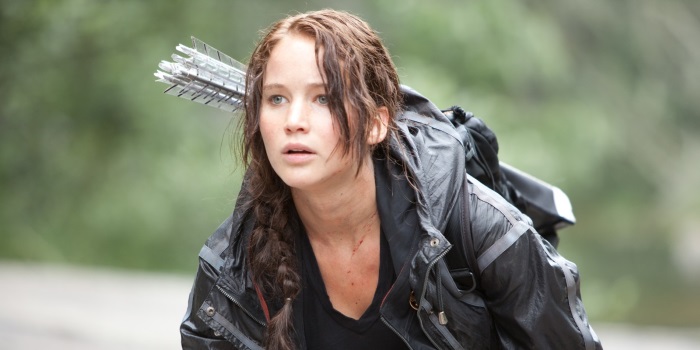
Pictured: Jennifer Lawrence as a "makeup-less" Katniss in The Hunger Games.
Makeup can be considered an art form in which the face is used as a canvas to produce unique and flawless looks. When makeup is treated as invisible in films, however, it creates the false expectation that natural beauty requires makeup (but only if it remains unacknowledged).
It’s not necessarily a Hollywood-caused issue, rather one which stems from the need to reduce individuals to one defining characteristic, whether it be appearance or personality. Many films tend to gloss over the details of daily life, and in doing so, they foster an environment where women are expected to attain perfection in their appearance, developing the misleading belief that makeup is just to cover up ‘flaws’ in the process.
When this perception exists, it restricts individuals from embracing makeup artistry, instead being bound by other’s expectations that makeup is only a tool to create natural looks. However, the more serious consequences are not visible until the filmic and real world collide.
“Unnatural” Makeup
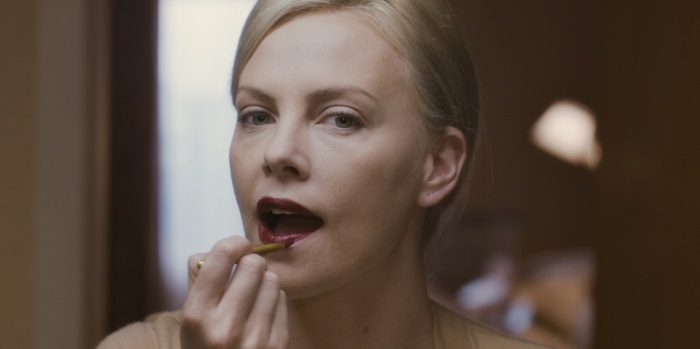
Pictured: Charlize Theron as the anti-hero of Young Adult.
In an era when #TeamInternet has taken over, as entertainment has shifted from its traditional means – where a daily vlog by a popular YouTuber earns as many views as a box office hit - it’s unsurprising that the consequences of Hollywood’s influences is most visible through social media.
When Em Ford (a YouTube celebrity with 300,000+ subscribers) posted this video, it was a massive wake up call. With over 15 million views, the video exposes the shocking feedback of some who demand that you meet their impossible expectations. The video transitions from Ford’s makeup-less face, which is overlayed with relentless criticism of her natural appearance, to her fully made-up face, where positive comments are overridden by the notion that she was falsely representing herself.
The video is uncomfortably honest, encapsulating the inherent fear associated with shedding makeup in a world where appearance can define you. It captures the stigma attached to makeup, sometimes associated with vanity, self-consciousness and falsification. Furthermore, it highlights the worst of individuals as we encourage so-called “natural” looks, simultaneously tearing down those who choose to actually appear sans makeup.
The video is a brutal reminder that there are people behind the faces we judge – people who can be hurt by comments which berate someone for not being perfect. With traditional movies, it’s easy to let it shape the way we view reality and uphold impossible expectations, but when our entertainment is someone else’s life, it’s important to shed the immediate judgement and recognise the influence airbrushed depictions of reality has had on our lives.
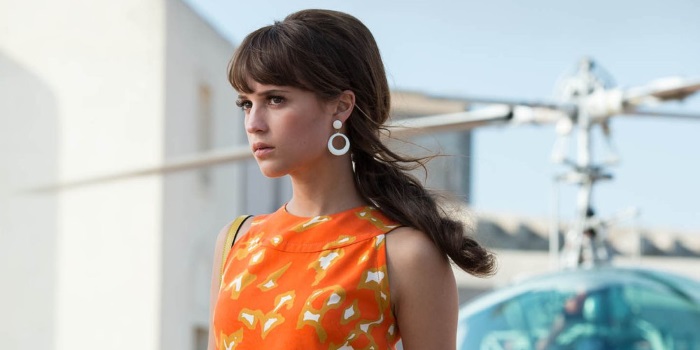
Pictured: Alicia Vikander in The Man From U.N.C.L.E.
It’s difficult to expect films to embrace all aspects of reality. That said, the fact it has been brought to our attention means it requires action. We need to recognise the significant influence of films in how it has negatively impacted the general view on makeup.
Makeup can be enhancing, but its creative paths are endless and that needs to be remembered. It’s part of a bigger issue where perfection is seen as attainable, and it becomes okay to criticise when those expectations aren’t upheld – and it’s something we need to deal with.
Emily Lam is one of Student Edge’s student contributors. Learn more about the contributors program.
Topics
Ref: 28b3ba92-5b02-48dd-90ef-a513004e1339




Comments & Feedback
Share your opinion
Emoji cheatsheet Formatting Comment guidelines