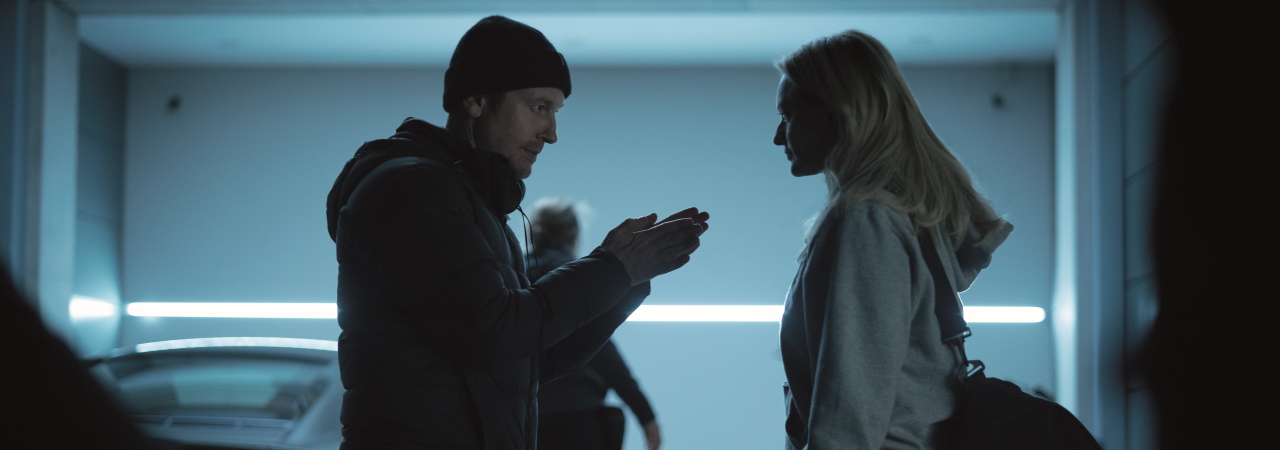
How Leigh Whannell Made "The Invisible Man" (Without Worrying About the "Dark Universe")
Australia’s Leigh Whannell made his name as the writer and star of the original Saw, and for some time, that reputation hung around his neck like, well, a bear trap triggered to snap shut.
But with 2018’s Upgrade, he earned acclaim for some innovative—and cost effective!—action sequences, proving that grisly torture wasn’t his calling card; it was on-screen ingenuity all along.
Upgrade no doubt helped him get the job of writing and directing a new take on The Invisible Man for Blumhouse (the home of micro-budgeted horrors like Get Out, Happy Death Day and Halloween).
Not that Whannell had always dreamed of telling this particular tale.
"I had no desire to make an Invisible Man film," he tells Student Edge.
"I had just finished Upgrade. I was really happy with how that had turned out. I was feeling the itch to make another sci-fi movie. And then I had a meeting where the idea of the Invisible Man was suggested to me, and it was an inception. It got in there, and it would not leave."
Read More:
Movie Review: You Should See The Invisible Man (or Try To, Anyway)
He stresses at no point in that meeting did Universal Pictures or Blumhouse reference the folded Dark Universe, their intended and almost instantly abandoned idea to create a shared universe of movie monsters, with Johnny Depp slated to play the Invisible Man opposite Tom Cruise’s Mummy.
"They wanted me to make a standalone film, something that wasn’t connected to anything else, and I haven’t felt that pressure at all," he says.
"It was really freeing to make the film without having to think of some wider landscape."
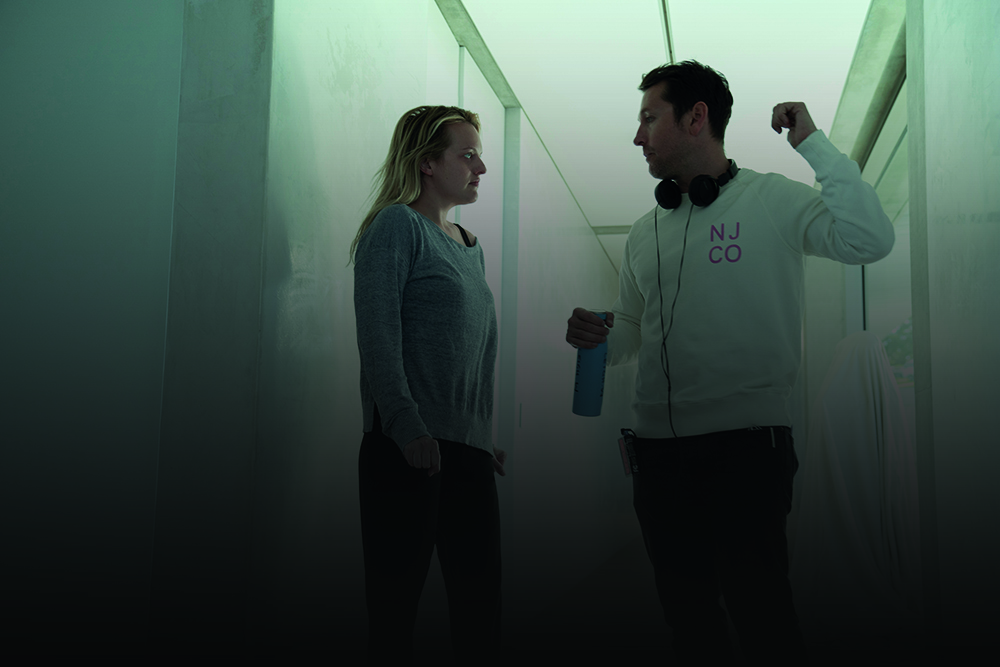
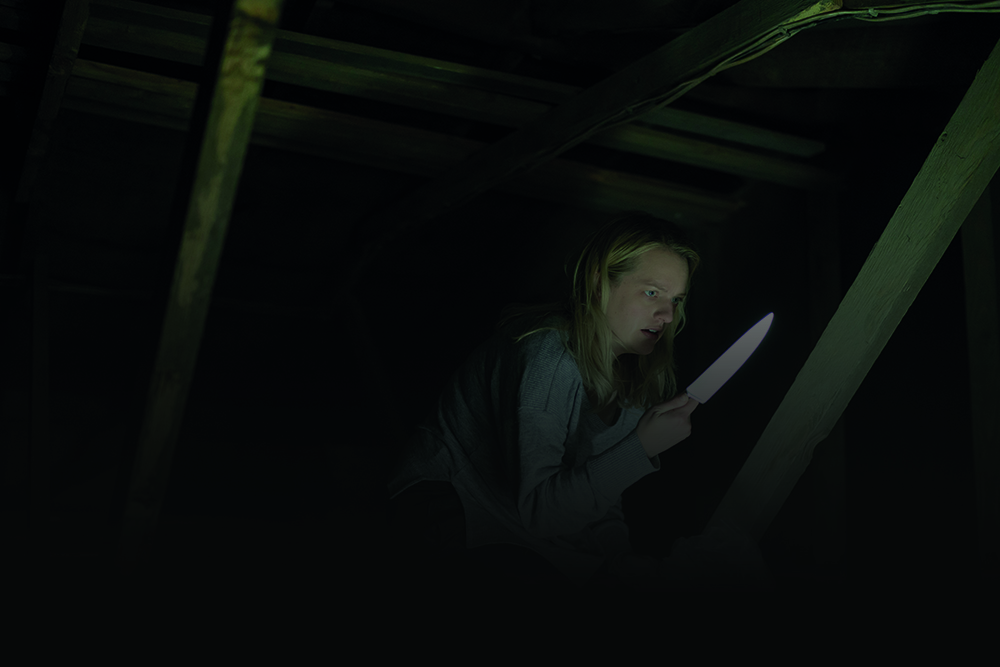
His picture flips the typical story’s protagonist, with Elisabeth Moss playing the tormented ex of a visionary scientist who, maybe, has turned himself invisible just to mess with her head.
"I knew the scariest version of The Invisible Man would be the version that takes him as this mysterious other," Whannell explains.
"As soon as I had that idea of centering the film around [his] victim, it was a very organic pivot towards a woman who was escaping a bad relationship where she was being controlled by someone. I think the idea of invisibility wraps nicely as a metaphor around the idea of a toxic relationship, where somebody is being gaslit or being manipulated and having their reality changed by this person."
He also wanted to subject the audience to the same manipulation and anxiety.
"I wanted this film to be a vice," he says.
"One of the ways to do that was make the audience believe the Invisible Man could be in any frame of the movie. Almost like the audience didn’t trust the film in terms of what was really going on."
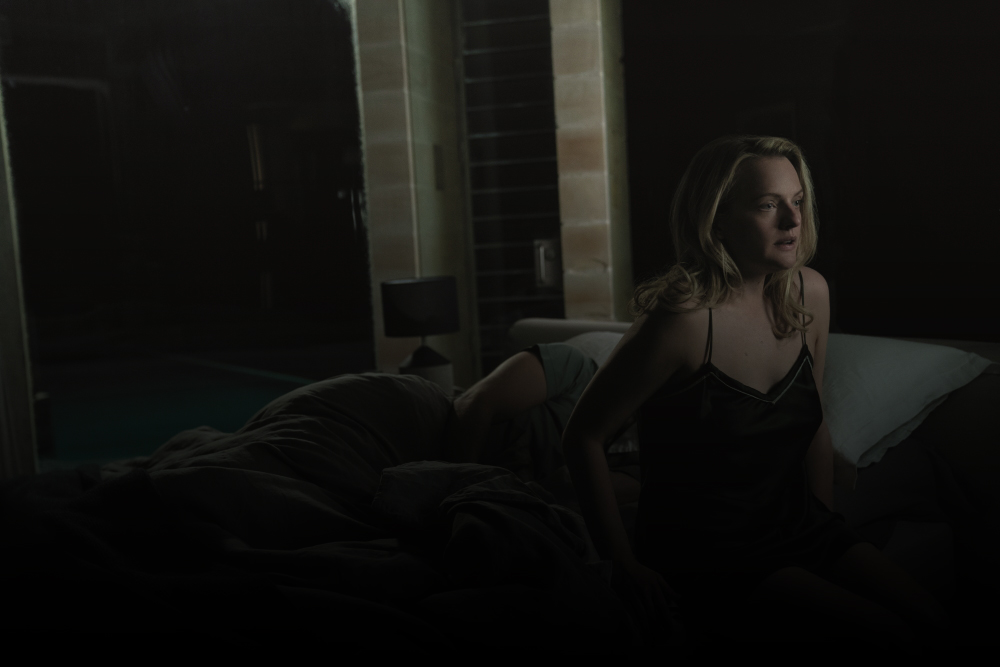
This meant finding a way to make empty corridors scary, and have Moss fight an unseen assailant.
"I did have moments of doubt," he says.
"We’ve got the camera on a tripod; we’re pointing it down a corridor with nothing in it. Is this going to work?"
So, he turned to his crew, and in the case of one big fight scene, let them put "every bad idea and good idea" into the hat to try out.
"[The fight scene] was a mixture of everything from cutting edge CGI, state of the art computer stuff, all the way to really old school practical effects involving string; literally, a piece of string holding an object, and someone just out of frame [pulling] the string," he says.
"It’s almost like a combo of every technique, including some techniques that would have been used on the original Invisible Man.
"Sometimes the best tricks are the most simple."
The Invisible Man arrives in Australian cinemas 27 February. It’s rated MA15+ for strong themes and violence.
Read More:
Here’s How They Filmed Those Crazy Fight Scenes in "Upgrade"
Header Image: Universal Pictures Australia