Here’s How They Filmed Those Crazy Fight Scenes in "Upgrade"
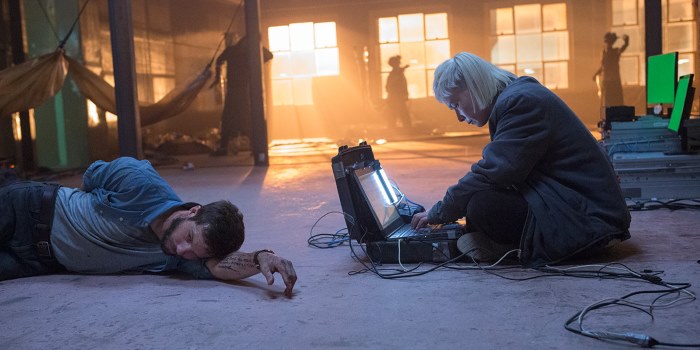
Aussie writer-director Leigh Whannell tells us all about his camera tricks.
Upgrade, now in cinemas, is one of 2018’s biggest surprises; an absurd yet extremely entertaining action movie (made in Australia) about a paralysed man who gets rebooted as a killing machine thanks to a computer chip in his neck.
No, seriously, it’s great.
The premise may not sound special—or, maybe just like a reboot of Robocop—but that's only because it can’t fully capture the picture's action scenes, which are *kisses fingers like Italian chef*.
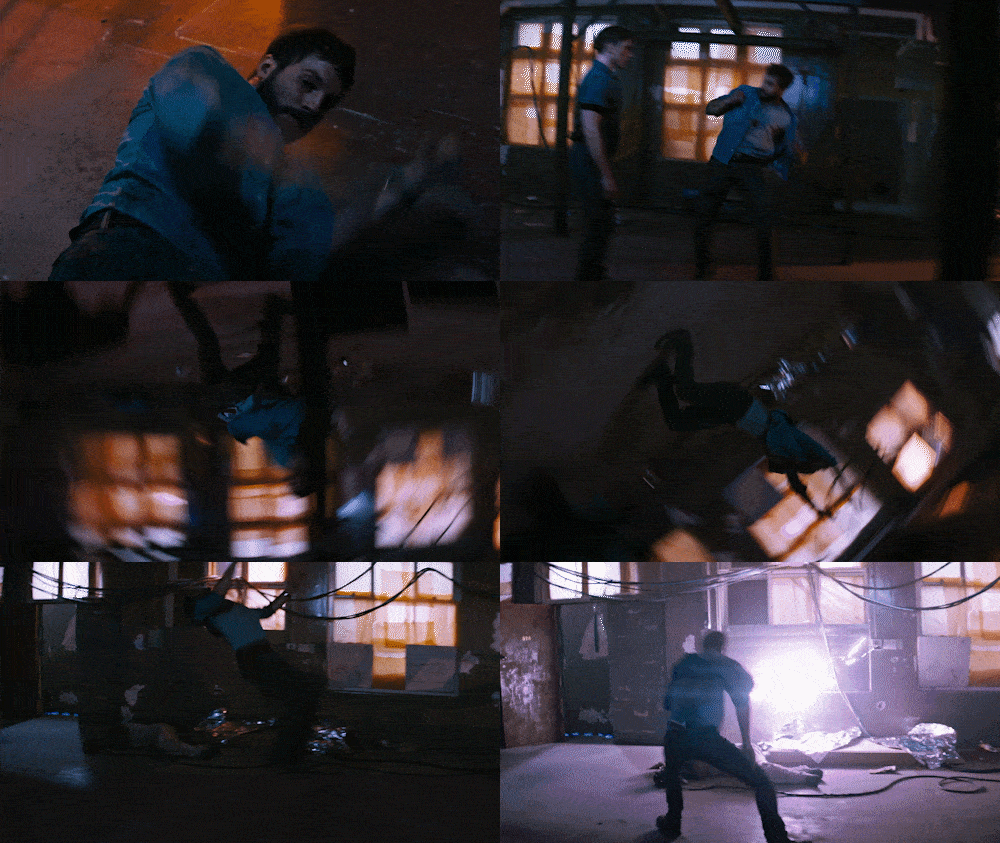
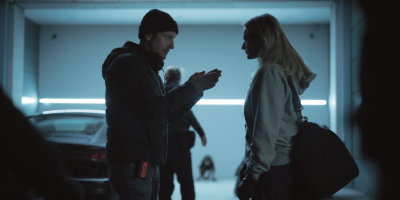
See, in Upgrade, the camera moves in sync with Grey Trace (Logan Marshall-Green), the paralysed, vengeance-seeking mechanic who allows his computer chip, STEM, to take over his body and fight his wife’s murderers like a robot-ninja.
Look, we’ll just show you (bit of a violence warning):
Good stuff, right?
As you can imagine, making multiple sequences like this involves technological wizardry, gymnastic stunt coordination, an actor with a taste for endurance and gift for physical comedy, and a director with highly specific vision. Having some fake prop heads to crush helps too.
We caught up with writer-director Leigh Whannell, who told us exactly how his team made Upgrade’s most memorable moments.
Step 1: The Script
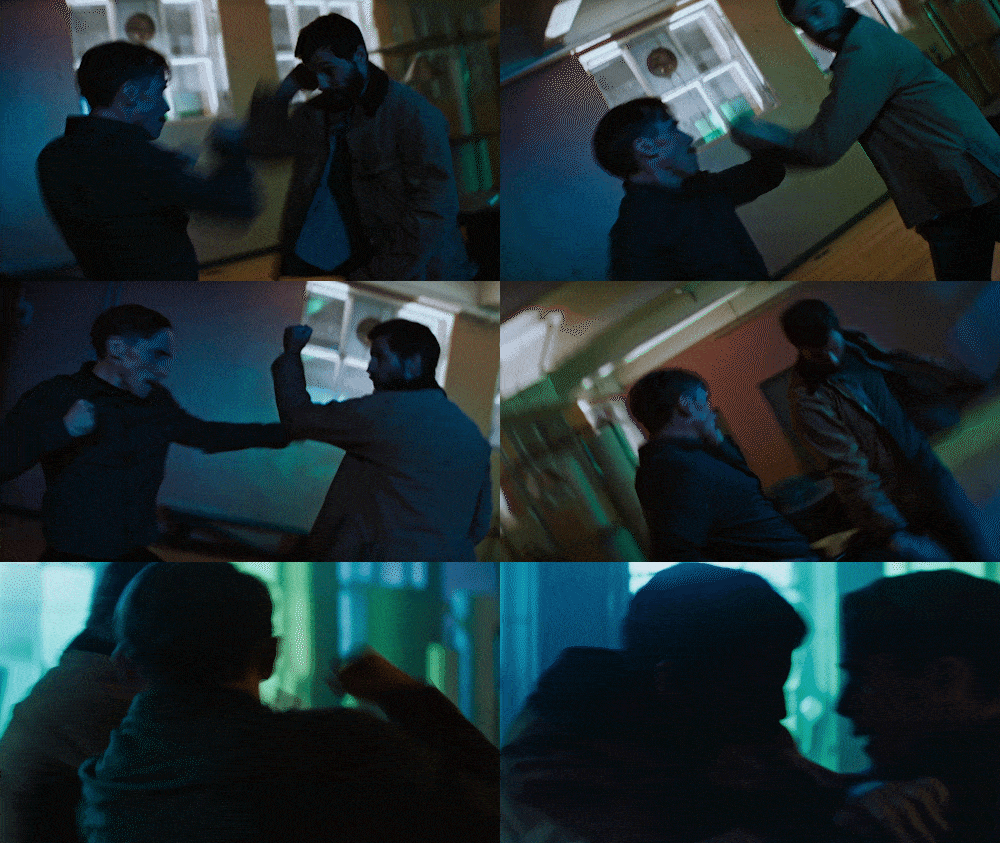
"I definitely made sure to note in the script that the way the characters were moving and fighting was 'strange and stilted, in the way that a computer would fight'," Leigh says.
Of course, it’s one thing to write that your picture will be innovative, and quite another thing to pull it off.
"To bring that to reality was a lot of work and it was quite nerve-wracking, because you never know if it’s going to work at all," he confesses.
Step 2: Stunt Coordination
Leigh turned to stunt coordinator Chris Anderson to choreograph Grey’s movements, which require Marshall-Green to appear effortless in his actions, but also terrified by the carnage he’s inflicting.
"[Chris] was up for the challenge," Leigh says.
"He put a lot of work into designing fight scenes that felt strange; that felt different to anything else audiences have seen before."
"[Logan] was our secret weapon because he was so physically capable of performing these stunts, but also so enthusiastic," Leigh adds.
"He wasn’t the actor that was trying to get out of work and go home early. He was the guy who gets there early and stays late. He was a godsend."
Step 3: Camera Trickery
"We came up with this method of strapping an iPhone to Logan that the camera would actually lock to," Leigh explains.
"So, the [phone] was under his clothes and wherever he moved, the camera would go with it.
"It gave the film this extra edge of uneasiness. It throws you off kilter. It’s been really effective, because the audience going into it doesn’t know how we did it. And they don’t care, nor should they. They just go along for the ride. I’m so happy to hear people say they haven’t seen fight scenes like that before."
Step 4: Exploding Heads and Special Effects
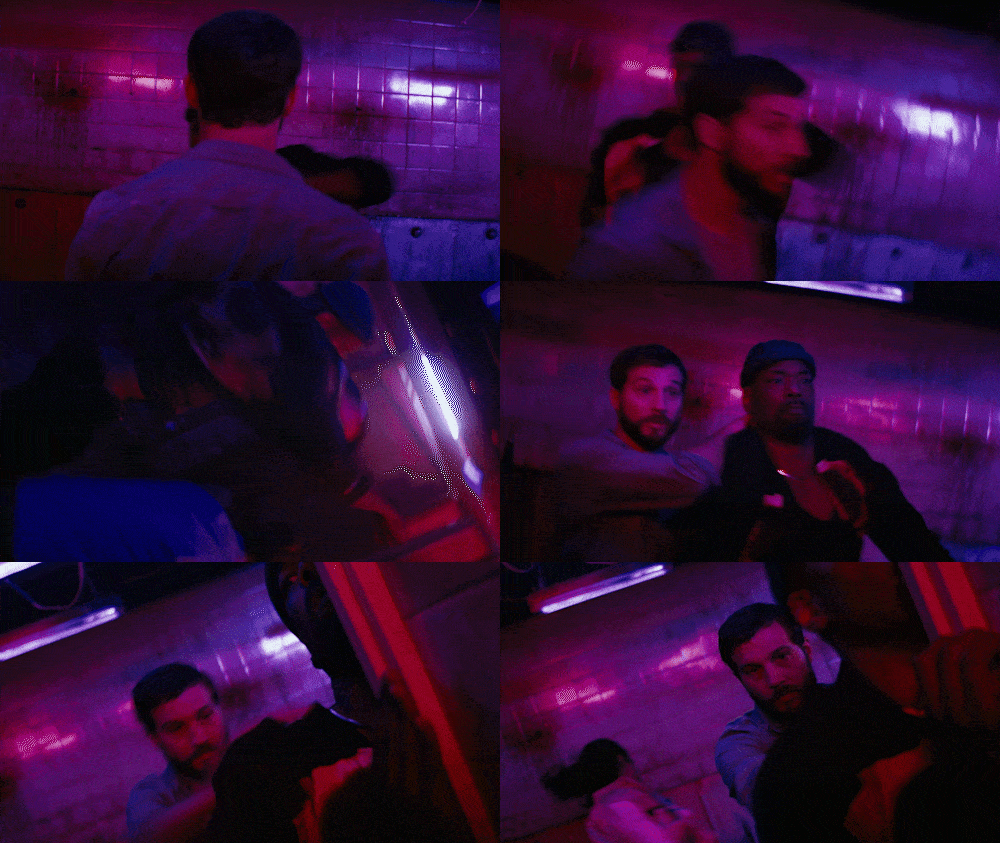
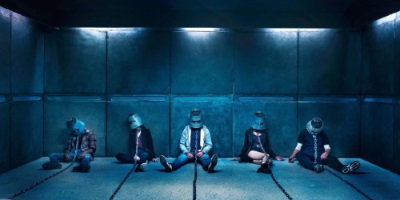
Whannell cut his teeth—almost literally—writing and starring in the first Saw movie. So, dude knows his gore. Still, few will be prepared for the moment where a STEM-operated Grey finishes off his first opponent by cleaving open his head—mouth-first—with a kitchen knife.
When it comes to slicing heads—or bursting them—Whannell lives by one rule: be practical.
"I really wanted to use practical effects and build a head," he says.
"I think the human eye can tell when there’s something actually in front of the lens, and when something’s been inserted later.
"The great thing is, you can use CG to augment what you have in front of the camera. Sometimes you need computer effects to give it a helping hand. I think a combo of the two is what works best."
Step 5: Editing the Gore
We asked if Blumhouse—the studio that produced Upgrade as well as Whannell’s Insidious franchise—asked for a gentler cut of the fights, perhaps for a less restrictive classification. (It's rated MA15+ in Australia.)
"It was something that never came up," he says.
"I guess I just took it for granted that I would be able to do what I wanted to do, and never once did anyone say to me, 'Let’s tone down the violence or let’s change this up a little bit or maybe let’s take this scene out because it’s a little too much'."
Step 6: Bringing Upgrade to Audiences
The low-budget flick is doing well at the U.S. box office, and even better on Rotten Tomatoes. Perhaps both of those achievements can be credited to the fight scenes, which have plenty on Twitter talking.
Watched UPGRADE on a whim yesterday and it owns? It’s quick, brutal, and nasty, and so much fun
— Andy (@benbraddocks) June 11, 2018
UPGRADE has one of the most surprisingly brutal murders in any movie I've ever seen. It was awesome! Me and the 3 other people in the theater all audibly made similar "HOLY SHIT!" statements. And I've seen a lot of movies.
— Brian Heller (@Br_anHeller) June 11, 2018
"I think films are made to be seen and I want them to be seen by a lot of people," Leigh says.
"I don’t want to work in a vacuum. To me, a film that is not seen is sometimes like a tree falling in the forest with no one around to hear it," he laughs.
"I’ve definitely made films that weren’t seen by many people, and I’ve also made films that a lot of people have seen, and the latter is better for sure."
Upgrade is now showing in Australian cinemas.
Read More:
Movie Review: "Upgrade" Is Very Gross and Very Good
Photo: Madman Entertainment
Topics
Ref: e6d6fb32-e313-4437-b2c5-a8ff008da16c



Comments & Feedback
Share your opinion
Emoji cheatsheet Formatting Comment guidelines