Here's What You Need to Know About the Changes to JobSeeker
How does it impact you?
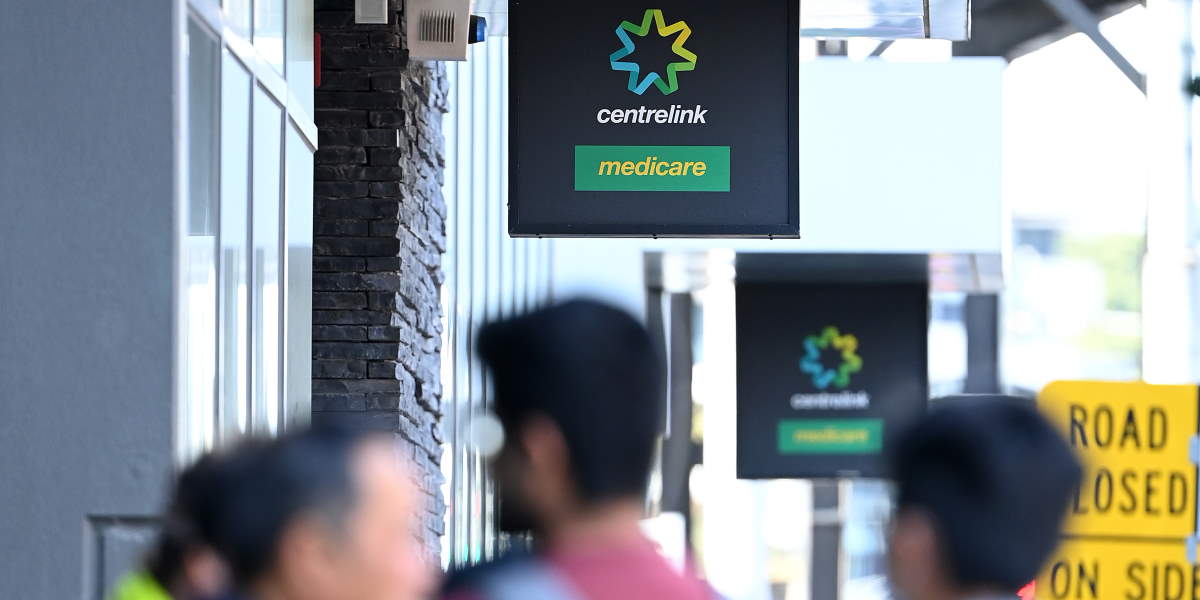
Yesterday, the Australian government announced a series of changes that they would be making to the current JobSeeker payment.
The new legislation outlined some important adjustments regarding payments, requirements and the coronavirus supplement.
So, here’s how it works (and how it could affect you).
How does JobSeeker currently work?
In case you aren’t sure, JobSeeker is the current name for the welfare payment that replaced NewStart. The new name came into effect in March 2020 as a boost for those out of work due to the coronavirus pandemic.
Its aim is to provide people—who don't have a job—with income to get by until they are able to find employment.
The legislation meant job seekers would receive $1,500 a fortnight but has been falling since September last year.
As it currently stands, the maximum a single person looking for work with no dependents receives is $565.70 per fortnight, leaving recipients to live on just $40 a day.
On top of this, recipients currently get the additional temporary coronavirus supplement at $150 per fortnight.
However, as the coronavirus supplement is temporary, it is due to end on 31 March 2021, dropping the JobSeeker payments back to just $40 a day (which is under the poverty line).
The Australian Government has announced more financial assistance for coronavirus affected job seekers. There’s more support for people who have lost their job or had their income reduced. 1/2
— Services Australia (@ServicesGovAU) March 22, 2020
When and what is changing?
The government has announced that all welfare programs will receive an increase of $25 per week as of 1 April 2021.
This means that JobSeeker, Austudy, Youth Allowance and the Parenting Payment will all receive a boost in a few months. This increase will be $50 a fortnight, or just an extra $3.57 a day.
"We are re-basing the JobSeeker payment to ensure that the long-term arrangements are there for people to rely on should they find themselves out of work and to get the support they need when they’re out of work. And that will lead to an increase of $50 per fortnight in that base payment," Prime Minister Scott Morrison said in a press conference on Tuesday.
This is the first time the JobSeeker payment has received an increase since 1994.
While an increase in the payments is great for recipients, they'll be worse off than they are now after the coronavirus supplement ends in March
According to the Analysis & Policy Observatory (APO) the currently poverty line for a single adult in Australia is $457 per week, or just over $65 a day.
Aside from the increases and cuts to the payment, job seekers will soon also be required to meet new and increased “mutual obligations” to receive the payment.
So, what exactly will be required of JobSeeker recipients?
Well, there are a few things you need to know.
Firstly, the government will soon reinstate face-to-face appointments between JobSeeker recipients and job service providers. These had previously been suspended ‘cos of COVID.
The number of job searches a recipient must make is also set to go up. Right now, job seekers must search for at least eight jobs per month, but it will rise to 15 jobs per month in April, and then 20 in July.
Recipients of the payment will also need to complete a series of training short courses after six months of being unsuccessful in finding employment.
The government has also introduced a new hotline that employers can use to essentially ‘dob in’ recipients who refuse offers of work.
This means that if a recipient refuses work from an employer, and that employer notifies the hotline, recipients will be met with a follow up as to why they declined the offer. As a result, they could lose payments if they don’t have “a valid reason” according to Employment Minister Michaelia Cash.
How much do experts suggest JobSeeker should be raised to?
Many experts have criticised the government's decision to increase the JobSeeker by just $50 per fortnight, due to it still being less than half of the national minimum wage and below the poverty line.
In particular, GetUp National Director Paul Oosting called for the rate to be raised to $80 per day and called the current raise a "despicable sham."
"The fact that the government is planning to tighten mutual obligation requirements is a sick joke. There are roughly 2.3 million people applying for jobs, and only 250,000 jobs available—punishing people for being out of work is cruelty for cruelty’s sake," he said in a statement on Tuesday.
"If the Morrison government thinks that this joke of a rate raise will make this issue go away, they’ve got another thing coming. Parliament must act to raise the JobSeeker rate to $80 a day, in line with Australia’s current poverty line. Anything less is a despicable sham."
Australian Council of Social Service CEO Cassandra Goldie also suggested that the rate should be no lower than $65 a day.
"We’ve recommended that we need an absolute minimum of an increase to $65 a day," she said in an interview on Sunrise on Tuesday.
"We know that even now at $51 a day we’ve got people making impossible decisions, very distressed about whether they’re going to be able to keep the roof over the head, pay the rent, the basics of covering food.
"We’ve still got only one job for every nine people who are out there trying to get paid work."
Raising the rate to $65 a day would see JobSeeker recipients earning the same amount as the current level of the poverty line.
So why is this all happening?
Basically, Mr Morrison is under pressure from civil society, other political parties, business leaders and experts to raise the rate of JobSeeker before the coronavirus supplement is cut.
In the press conference, Mr Morrison described the increase as "appropriate" in proportion to the needs of recipients and the countries recovery from the pandemic.
Mr Oosting highly criticised the government's decision, calling it a "PR exercise."
If you want to learn more about the changes to JobSeeker and other welfare payments, head to the Australian Government’s Services Australia website.
Header Image: Quinn Rooney via Getty Images
Topics
Ref: 4a152473-39c6-4f8b-a94c-acd9006d2688





Comments & Feedback
Share your opinion
Emoji cheatsheet Formatting Comment guidelines