Cya Later, Fast Fashion: Europe Bids to Crack Down on Throwaway Culture
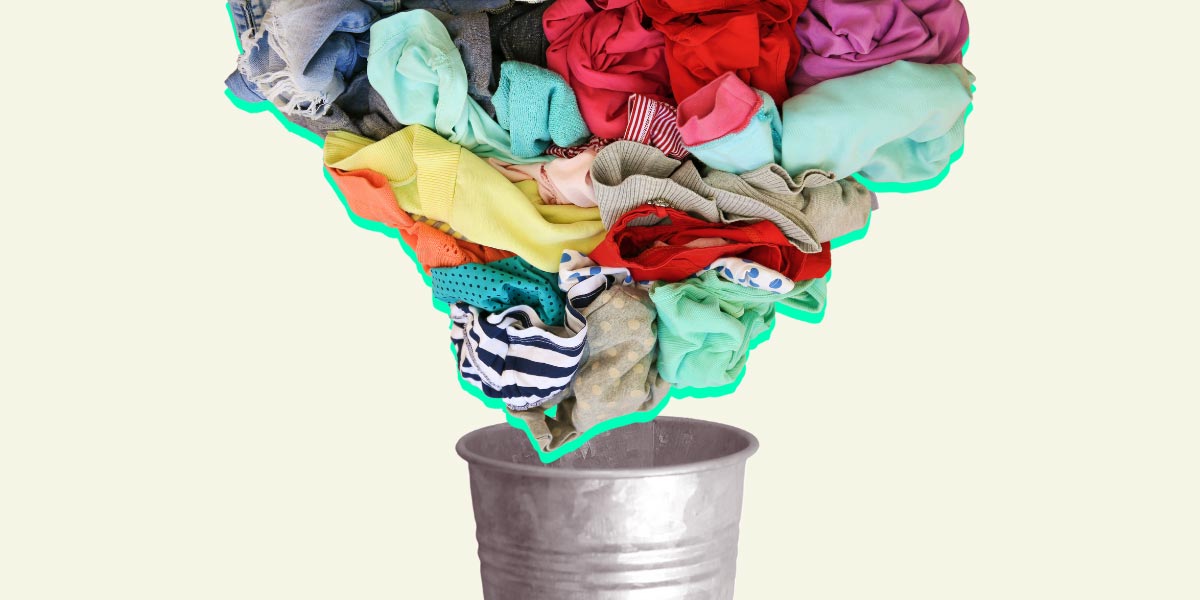
Byeee 👋♻️
Most of us are partial to a cheeky deal on the latest fashion trends. But have you ever wondered where our clothes come from, or what happens to the stuff that doesn’t get bought in stores?
The European Union is calling for an end to fast fashion by 2030, announcing a set of plans to combat throwaway culture.
The Commission (EU’s top branch of execs) intends to make sustainable products the norm in the EU, according to Vice President Frans Timmermans.
“The clothes we wear should last longer than three washes,” he said. Okay, preach it, Mr (Vice) President!
Here’s a quick squiz at what they’re proposing:
- Manufacturers will have to ensure their clothes are eco-friendly and hard-wearing
- Consumers will be given more information on how to reuse, repair and recycle their clothes (for example, through labelling)
- The destruction of many unsold products will be banned, and large companies will have to disclose how much unsold stock they send to landfill
- Contain the release of microplastics
- Improve global labour conditions in the garment industry
-
Greenwashing practices that mislead consumers about the durability or environmental footprint of products will be banned
"Fast fashion brands have been selling us the illusion of sustainability for too long and will probably fight this move by EU officials with all they’ve got."
— Euronews Green (@euronewsgreen) March 31, 2022
So, what exactly are the plans 👇
The rules will extend to products like tech and furniture too, with an overarching plan to make products in the EU market more durable, reusable, and repairable.
"It's time to end the model of 'take, make, break, and throw away' that is so harmful to our planet, our health, and our economy," Mr Timmermans told a news conference.
The move is addressing the big issue around fast fashion. Textiles are the fourth-largest emitter of greenhouse gas emissions in Europe, and it’s estimated less than 1 per cent of all clothing worldwide is recycled.
The Guardian reports the average European throws away 11kg of clothes, shoes, and other fabric goods every year.
Ethical fashion is becoming increasingly more prominent, and we know this stuff matters to you.
In our recent YouthInsight survey, 70 per cent of young people said brands acting ethically is important to them with more than half saying they’ve chosen one brand over another because of their ethics and sustainability practices.
If the EU Commission’s proposals come into force, they could have a big impact around the world, as nearly three-quarters of clothing and household textiles in the EU is imported.
Sustainability is the buzzword when it comes to fashion.
— European Commission 🇪🇺 (@EU_Commission) March 30, 2022
Our new EU textiles strategy will help the sector become more sustainable and circular, with the green transition bringing new opportunities.
⬇️ Our #EUDataCrunch highlights why this matters.
In this conversation, accessibility in sustainable fashion has been widely debated, and fears have emerged that increasing sustainability would make goods more expensive and increase the burden on vulnerable people at a time of already excessive inflation.
But EU Environment Commissioner, Virginijus Sinkevičius said "it is not entirely true that the products are going to become more expensive" due to the new EU eco-design rules.
The changes would require a massive shift in an industry that, in order to keep costs and prices down, produces items with a short life span in developing nations in Asia and Latin America, often under poor working conditions.
It’ll be interesting to see the influence this has on Australia, given the lackluster climate change offerings in the latest budget, and the fact that Aussies dump 15 tonnes of clothing and fabric waste every ten minutes.
We’ve got you covered with quick tips on reducing your environmental footprint at school/uni, making your wardrobe more ethical and a stack of other environmental coverage.
Topics
Ref: 110f2820-64fd-46ed-ad0b-ae6a00604a09



Comments & Feedback
Share your opinion
Emoji cheatsheet Formatting Comment guidelines