How To Deal With Cyberbullying
This post is presented by the Office of the Children's eSafety Commissioner.
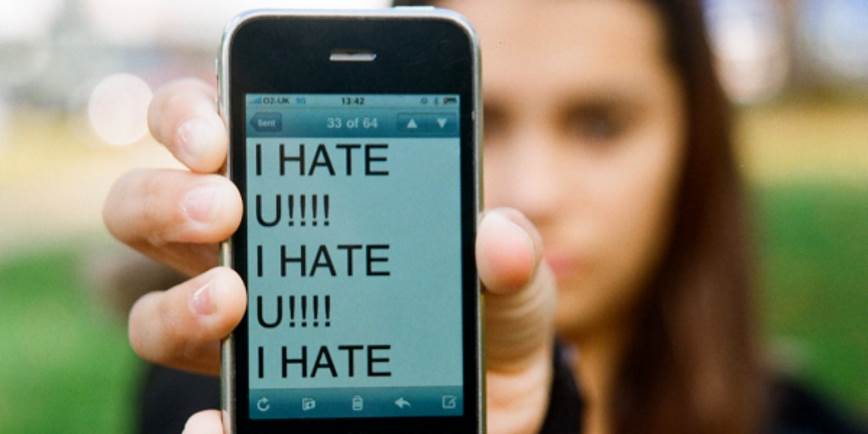
Cyberbullying is the use of technology to bully a person or group with the intent to hurt them socially, psychologically or even physically.
Right now there are many young people being cyberbullied. By reporting it, talking about it and supporting each other we can stop it.
Abusive texts and emails.
Hurtful messages, images or videos.
Imitating others online.
Excluding others online.
Humiliating others online.
Nasty online gossip and chat.
Talk to someone you trust straight away - like a parent, sibling, uncle/aunt, teacher or friend, or contact Kids Helpline.
Don’t retaliate or respond—they might use it against you.
Block the bully and change your privacy settings.
Report the abuse to the service and get others to as well.
Collect the evidence - keep mobile phone messages and print emails or social networking conversation.
Do something you enjoy - catch-up with friends, listen to good music, watch a good show or chat online to people you can trust.
Remember you didn’t ask for this - nobody deserves to be bullied and you will get through this..
Don’t join in - don’t comment on posts, images or videos that will hurt others.
Don’t forward or share posts, images or videos that will hurt others.
Leave negative groups and conversations.
Report bullying to someone that can help - this can be an anonymous report to a parent or teacher.
If you are confident, call others on their bullying and ask them to stop - “Enough. This isn’t funny.”
Support your friend - let them know you are there for them - ”I heard about those crap posts. I’m here for you.”
School support
Most schools have policies in place to address cyberbullying and should be able to provide support to you and other students, no matter whether the bullying is from a student at your school or not. Talk to a teacher or counsellor you like and trust.
Lodging a cyberbullying complaint
What if the cyberbullying material is still there? If there is cyberbullying material about you or a friend online you can report it to get it removed. 1. Report the cyberbullying material to the social media service it happened on. Social media services should remove cyberbullying material that is reported to them. Most social media services have a reporting area on their website. 2. Collect evidence of the cyberbullying material. Depending on where the cyberbullying material is posted, you might need to do this first, before you report it to the site. A simple way to collect evidence is taking a photo or screenshot of the material. If you submit a complaint to us about the cyberbullying material, you will need to provide this evidence. 3. Report cyberbullying to the Office of the Children’s eSafety Commissioner. If the social media service fails to remove the material within 48 hours of you reporting it to them, you can make a complaint to the Office of the Children’s eSafety Commissioner. 4. Block the person. We recommend that you block or unfriend the person upsetting you, so they cannot keep upsetting you while the material is being removed.
What does Cyberbullying look like?
Cyberbullying can occur in many ways, including:
I am being cyberbullied - how do I stop it?
What if a friend is being bullied online?
If you have a friend or know someone at school who is being cyberbullied:
What if the cyberbullying material is still there? If there is cyberbullying material about you or a friend online you can report it to get it removed. 1. Report the cyberbullying material to the social media service it happened on. Social media services should remove cyberbullying material that is reported to them. Most social media services have a reporting area on their website. 2. Collect evidence of the cyberbullying material. Depending on where the cyberbullying material is posted, you might need to do this first, before you report it to the site. A simple way to collect evidence is taking a photo or screenshot of the material. If you submit a complaint to us about the cyberbullying material, you will need to provide this evidence. 3. Report cyberbullying to the Office of the Children’s eSafety Commissioner. If the social media service fails to remove the material within 48 hours of you reporting it to them, you can make a complaint to the Office of the Children’s eSafety Commissioner. 4. Block the person. We recommend that you block or unfriend the person upsetting you, so they cannot keep upsetting you while the material is being removed.
If you or anyone you know needs help, support is available right now. Call Lifeline on 131 114 or Kids Helpline on 1800 551 800.
For more information on counselling and treatment plans you can contact your school’s health services as well as the following organisations:
Photo: iStock.Topics
Ref: db586179-bf36-42a6-a947-a44a008ebf76






Comments & Feedback
Share your opinion
Emoji cheatsheet Formatting Comment guidelines