How Do I Deal With Identity Theft
This post is presented by the Office of the Children's eSafety Commissioner.
Personal information is any information or combination of information that enables an individual to be identified. Personal information is used by many businesses for legitimate communication. However this is not always the case and some personal information can be misused by criminals or inappropriately by marketers.
What is my personal information?
Your personal information may include your:
full name
address
phone numbers
school
date of birth
email address
username and password
bank details.
Open bank accounts in your name.
Apply for credit cards or loans in your name.
Transfer money directly from your bank accounts.
Impersonate you online on social networking sites.
Monitor your content - if you suspect your profile has been hacked shut it down ASAP.
Use secure websites for online shopping and banking.
Don’t post personal information – small pieces of personal data can be used to build a much bigger picture.
Change passwords – password should be: eight or more characters in length and include a combination of characters, numbers and symbols; changed regularly; never shared.
Don’t get phished - don’t respond to calls or emails from banks asking for passwords or other details. If the email asks you to click on a link, chances are it’s a scam. If you receive a call from someone saying they’re from the bank, hang up and call back on their publicly listed number to see if it’s real.
Monitor your bank account and advise the bank immediately if you see any unexpected withdrawals or suspicious spending.
Report it - talk to an adult that you trust, and to your bank.
What is identity theft?
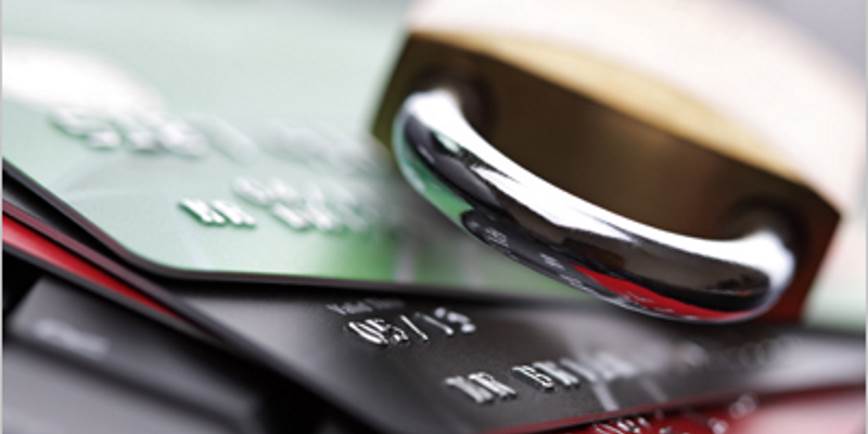
Identity theft is when your personal information is used without your knowledge or permission. Personal information can be accessed from your computer or at a public computer terminal.
With sufficient information, criminals can use your information to:
How do I avoid it?
How do I deal with it?
If you or anyone you know needs help, support is available right now. Call Lifeline on 131 114 or Kids Helpline on 1800 551 800.
For more information on counselling and treatment plans you can contact your school’s health services as well as the following organisations:
Photo: iStock.Topics
Ref: 1a520096-f544-44c5-83e1-a44a009268f1





Comments & Feedback
Share your opinion
Emoji cheatsheet Formatting Comment guidelines