How Do I Deal With Digital Reputation
This post is presented by the Office of the Children's eSafety Commissioner.
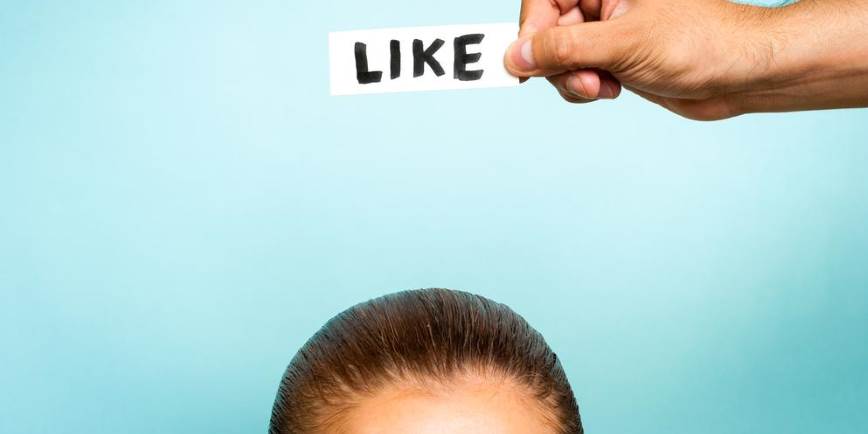
Your digital reputation is defined by your behaviours in the online environment and by the content that you post about yourself and others.
Tagged photos, blog posts and social networking interactions will all shape how you are perceived by others online and offline, now and in the future.
A poor digital reputation can affect your friendships, relationships and even your job prospects - so protect your digital reputation.
What do I need to know?
- Once information makes its way online it can be difficult to remove and can be easily and quickly shared around.
- Images and words can be misinterpreted and altered as they are passed around.
- Content intended for your small group of friends can cause issues when shared with others outside the group.
- You need to consider how you manage both your messages and images and those of others.
- Your privacy settings on social media sites need to be managed in order to protect your digital reputation.
Protecting your digital reputation
- Stop and think about any content before you post or send.
- Treat others online as you would like to be treated.
- Set your profile to private—and check every now and then to make sure the settings haven’t changed.
- Keep an eye on photos tagged by your friends and remove ones that are offensive.
Remember your online information could be there forever and your personal information may end up being seen by people you don’t know, including potential employers.
Can you clean up a digital reputation?
Cleaning up your digital reputation can be a difficult task but it is not impossible. You may not be able to erase the past, but you can build a better image of yourself online over time.
There are thousands of online articles that can provide you with excellent guidance on how to go about cleaning up your digital reputation and to be more cyber safe.
If you or anyone you know needs help, support is available right now. Call Lifeline on 131 114 or Kids Helpline on 1800 551 800.
For more information on counselling and treatment plans you can contact your school’s health services as well as the following organisations:
Photo: iStock.
Topics
Ref: 6ab996ba-5e55-469f-baf6-a44a0094f38f





Comments & Feedback
Share your opinion
Emoji cheatsheet Formatting Comment guidelines