Disability Isn’t the Problem, Outdated Mindsets and Assumptions Are
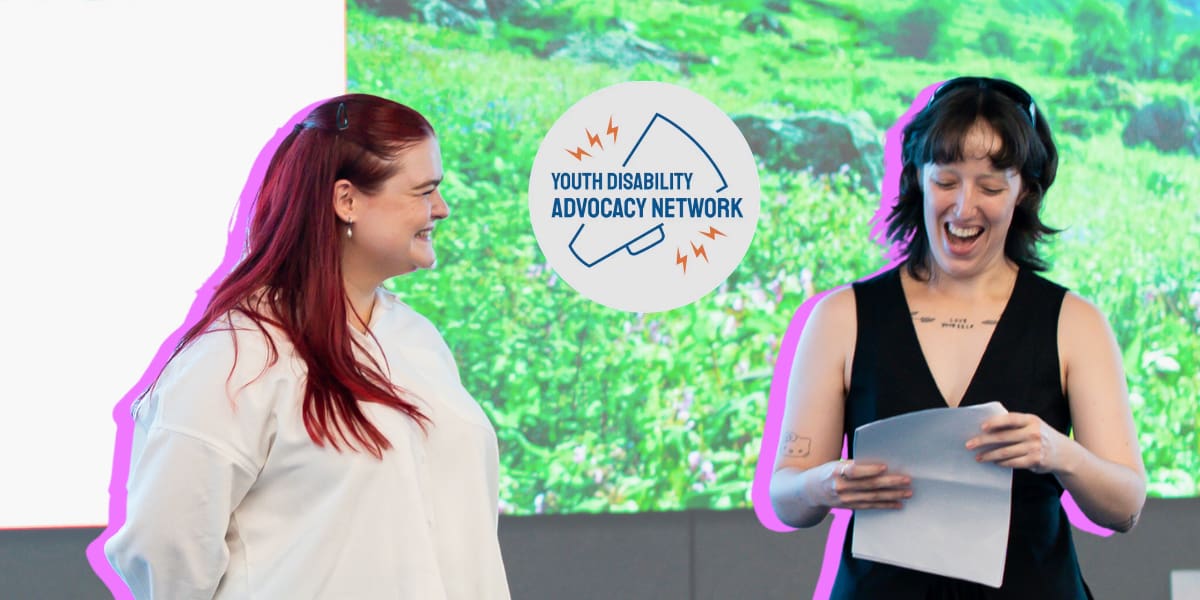
“[Disability] is just a normal part of the human experience.”
This article is presented in partnership with the Youth Disability Advocacy Network (YDAN).
When people think about disability, the focus is often on what someone can’t do.
It’s framed as a limitation, a personal challenge, or something that needs to be “overcome.”
But for many people with disability, the biggest obstacles they face aren’t their bodies or minds, but the assumptions society makes about them in schools, work and public spaces.
From strangers speaking slowly or offering unwanted help, to teachers, employers, and peers setting lower expectations, stigma often shows up in subtle, everyday ways.
But what happens when those assumptions are challenged?
People shift from seeing disability as a deficit to understanding it as part of human diversity.
How is stigma around disability reinforced?
We spoke to Sophia Redjeb, a project coordinator at the Youth Disability Advocacy Network (YDAN) about how stigma shows up in everyday life, what changes when perception shifts and how we as students can change our assumptions about disability.
YDAN is the peak representative body for young people with disability in Western Australia.
“When society and systems and services assume that a disabled person can't do something, they aren't capable of leading, working or just living a fulfilling life, they stop offering any opportunities before we even have the chance to try,” Sophia told Student Edge.
“If you expect nothing from us, you build a world that unfortunately gives us nothing.”
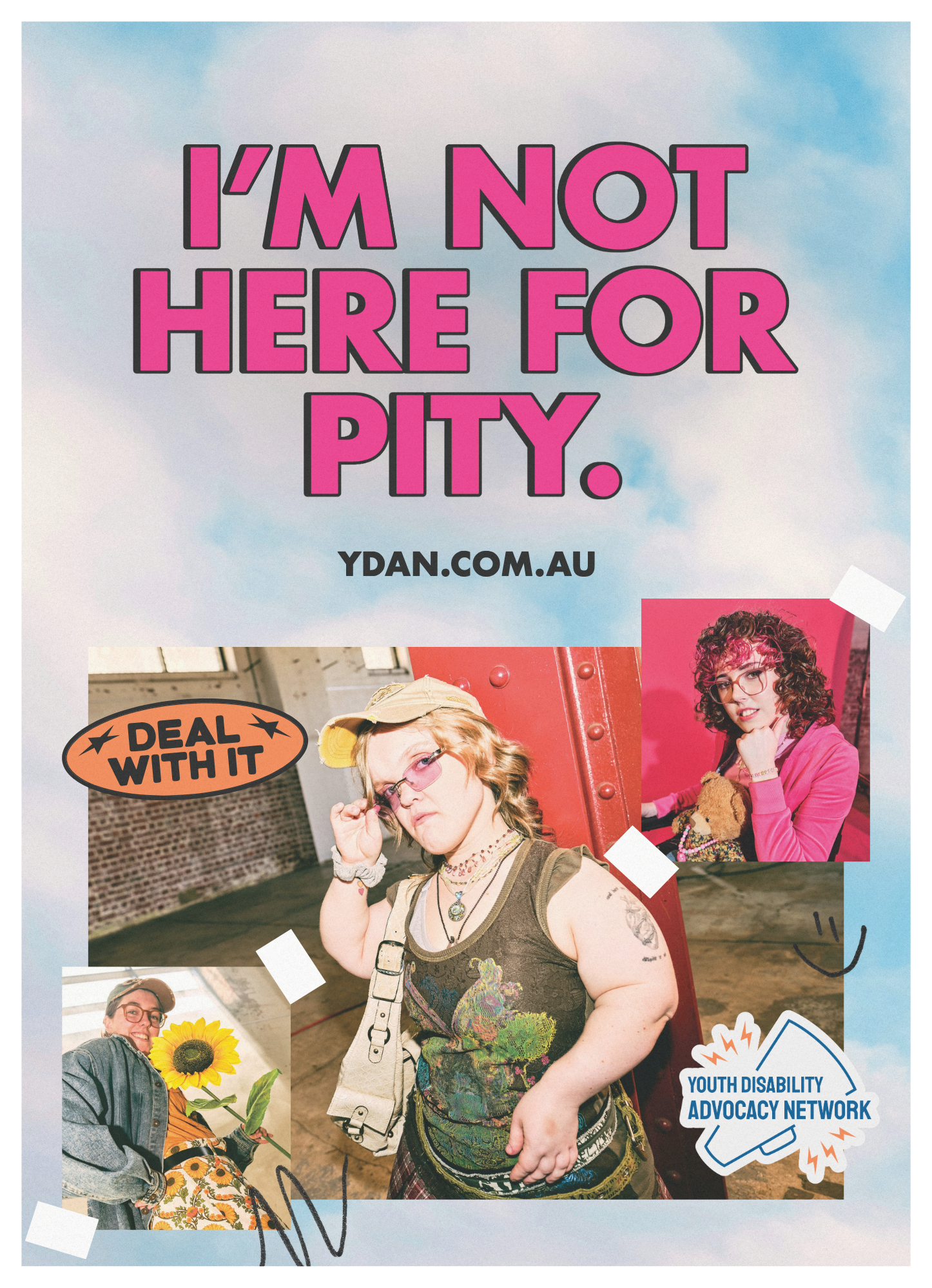
She also told us of the dangers of making decisions that affect people with disability purely based on assumptions.
“When people making the rules do not live your life, they make decisions based on assumptions, which is so dangerous.
“We look at federal parliament, and if it reflected Australia, there would be 45 disabled members in the parliament, in those seats, but instead we have just two.”
How can people change their assumptions?
Disability is something that people often have a lot of assumptions about, and Sophia said it’s important to remember that one in five Australians have disability. That’s 5.5 million people.
“Almost everyone will experience disability at some point in their life,” Sophia told Student Edge.
“It’s just a normal part of the human experience.”
The most practical advice Sophia gives people is don’t make it weird.
“Just treat us like people and listen to us.
“If a disabled person says they need a new environment, believe them.”
What’s the importance of breaking down assumptions and creating opportunity for people who are often overlooked?
Sophia told us about the importance making sure that the rules, systems and things created for people with disability are made by people with disability.
“Too often we see things like aged care, carer and disability policies go through that haven't consulted the appropriate people whatsoever in that process.,” she told us.
Challenging those perceptions helps shift the focus from limitation to potential.
When people are given equal opportunities and higher expectations, it allows their skills, perspectives, and ambitions to be recognised.
It also creates environments where disabled people can participate fully, rather than being excluded or underestimated.
“When you don't fit as a disabled person that one specific stereotype that people have in their heads, you are stuck in this constant loop internally and externally of having to prove that you're sick enough to just exist in a space.”
What are some TV shows or movies that challenge those assumptions people have about disability and people with disability?
Sophia told us there’s a lot of great Australian content that touches on this subject. For example, Chloe Hayden in Heartbreak High shows her authentic, unmasked experience of autism.
The SBS series Latecomers, which is a comedy about two people whose carers end up falling in love with each other which was created by and stars people with cerebral palsy.
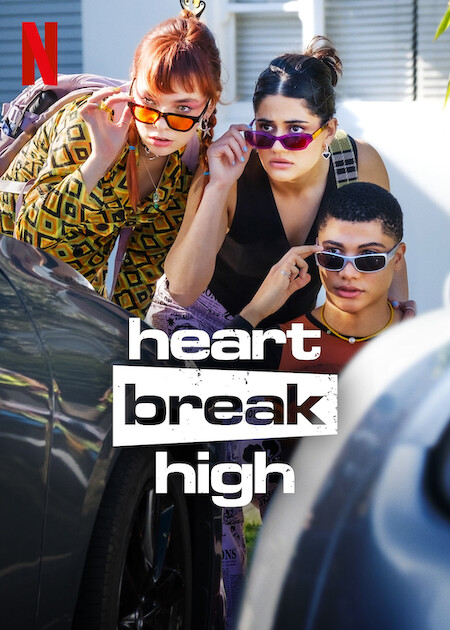
Heartbreak High (2022)
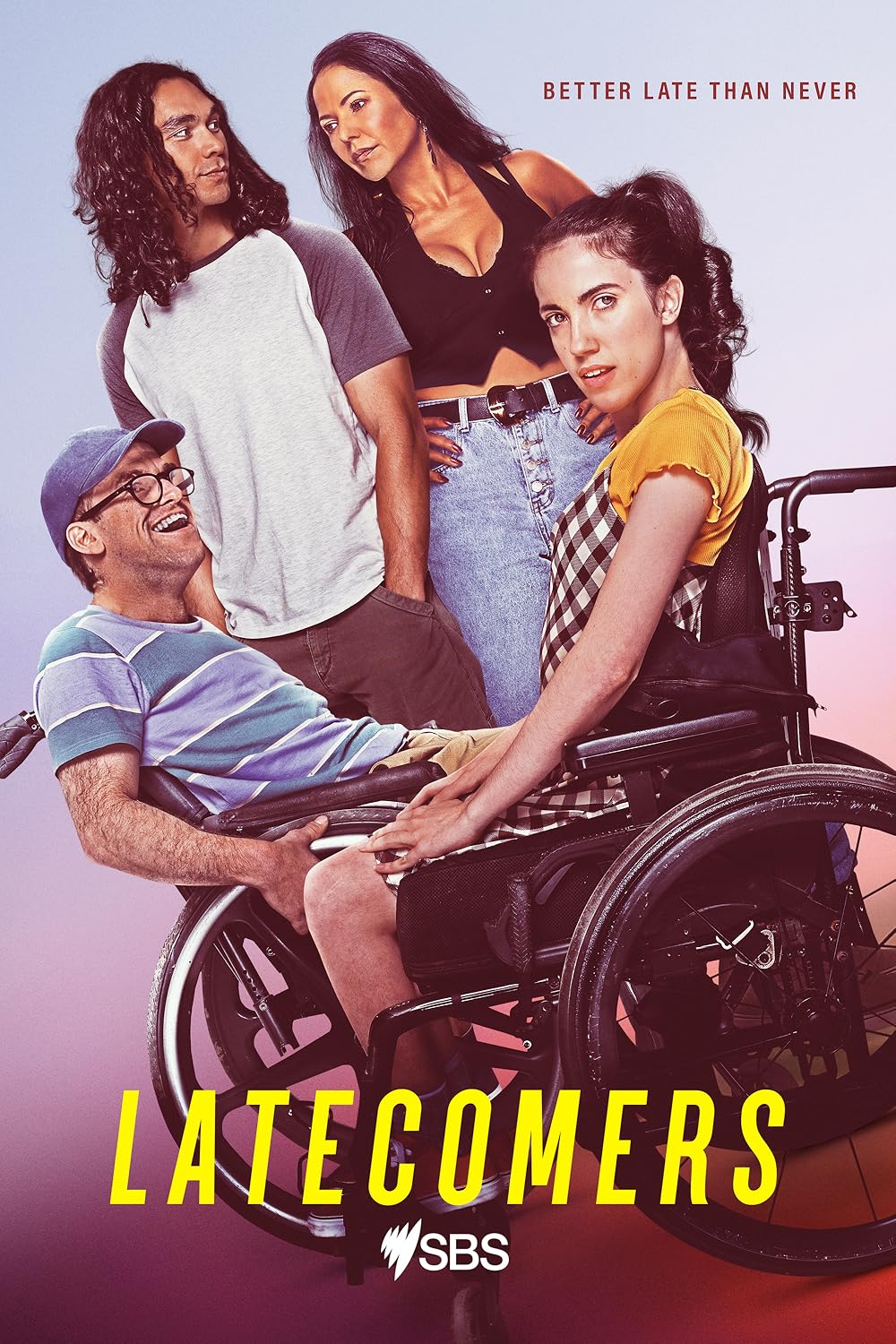
Latecomers (2022)
“It's also great to go onto social media and it's easy to find a lot of awesome disabled content creators talking about everything from beauty to human rights and sports.
“But representation is a huge spectrum.”
You can find more information on the importance of disabled representations and breaking down assumptions on the YDAN website and socials with the Disabled. Deal With It. campaign.
Sophia ended the conversation with one final note: “Let's stop making it weird for disabled people and start making it weird for the people who aren't being inclusive.”

Comments & Feedback
Share your opinion
Emoji cheatsheet Formatting Comment guidelines