Ya Burnt? What You Need to Know About Sunscreen This Summer
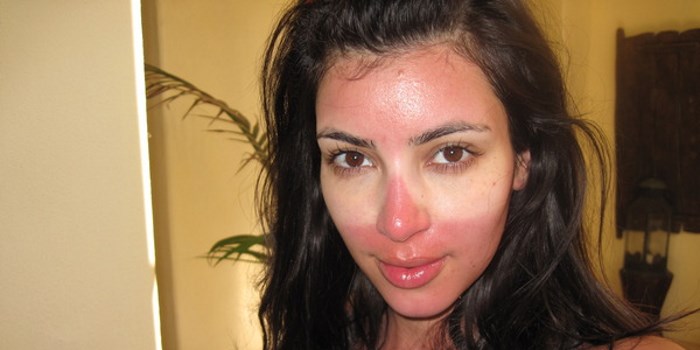
Be careful out there. You live in Australia, remember?
As we descend on another sweaty summer, here's a little holiday guide to sunscreen, to ensure you don't leave the beach as red as a tomato.
What is UV and why do I need to protect myself from it?
So, long story short, there are three types of ultraviolet (or UV) rays that reach the earth from the sun: UVA, UVB and UVC. Of the three, UVC is usually absorbed by the ozone layer (just one of many reasons why the ozone layer is important). The ones we need to protect ourselves from are UVA and UVB. The former causes long-term skin damage and gives us our wrinkles and sun spots. The latter is the cause of sunburn.
Like all radiation exposure, excessive UV radiation also exposes you to an increased chance of genetic mutations, which can cause skin cancer. When you tan, your skin cells are actually getting damaged and just darkening in an attempt to prevent further DNA damage, which is why tanning salons aren’t recommended either. So, your skin can still be damaged even if you don’t get a sunburn.
What does sunscreen do?

Sunscreen basically provides either a chemical or physical barrier that blocks UV rays from reaching our skin. Each one comes with a specific SPF, which stands for Sun Protective Factor, and the easiest way to understand each number is by how long it will help block out UV light (specifically UVB). For instance, an SPF 15 sunscreen helps you stay in the sun for approximately 150 minutes, which is 15 times longer than the time it would otherwise take for your skin to burn: 10 minutes.
However, this does not mean you can stay in the sun for hours on end without reapplying! Which brings us to our next question…
How often should we be reapplying?

Sunscreen should be applied 30 minutes before sun exposure, to ensure the ingredients have time to bind to the skin. After that, it’s recommended that sunscreen be reapplied every one or two hours. However, this all varies on how much you’re sweating and the time of day. It is important to remember that no sunscreen, regardless of strength, should be expected to stay effective longer than two hours without reapplication, and you should always reapply after swimming.
Also: Be generous with the sunscreen! Using too little will mean you’re still not getting the protection you need, even if you’re using a high SPF.
Anything else I need to know?

No sunscreen will block out 100 per cent of the sun’s UV rays, so you still need to be careful in the sun.
If you’re planning for a day outside, it’s important you still seek the shade, especially between 10am and 4pm (when the sun is highest in the sky), and that you cover up with clothing and wear a hat and sunglasses.
Have fun out there!
Vivian Chen is one of Student Edge’s student contributors. See more student contributions here.
Photo: Twitter (@KimKardashian)
Topics
Ref: 61434722-8014-4027-9b4f-a832004f9406






Comments & Feedback
Share your opinion
Emoji cheatsheet Formatting Comment guidelines