World Health Organisation Backs "Sugar Tax" On Soft Drinks
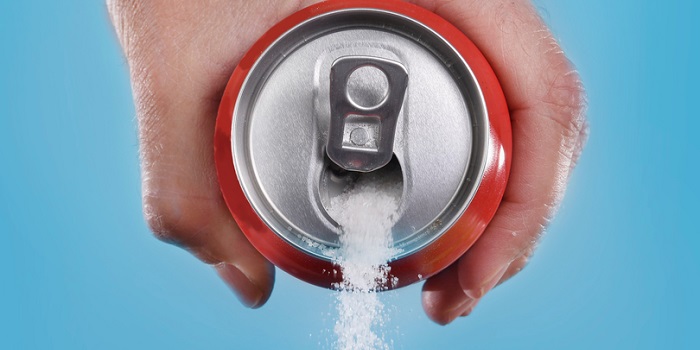
New report says a 20 per cent price increase on soft drinks would drastically reduce consumption and improve the obesity crisis.
The World Health Organisation (WHO) is advising all countries to enact a sugar tax on soft drink industries to reduce the growing rate of childhood obesity.
WHO has released a report showing strong evidence that taxing sugary drinks, while reducing prices for fresh fruit and vegetables, would have substantial benefits for national dietary health.
Their report hones in on the issue of "free sugars" which are essentially things such as fructose and glucose, ingredients which are found extensively in soft drink products.
Dr Douglas Bettcher, director of WHO's department for the prevention of non-communicable diseases, said: "if governments tax products like sugary drinks, they can reduce suffering and save lives."
"They can also cut healthcare costs and increase revenues to invest in health services."
A regular, 600ml bottle of Coca Cola contains roughly 16 teaspoons of sugar. According to WHO, we should be consuming fewer than six teaspoons of sugar a day in order to improve our health.

Several countries have already heeded such warnings and have taken their advice on board, including Mexico and Hungary. South Africa is expected to introduce a sugar tax next year.
Every one in five Australian children are now overweight or obese, along with more than 60 per cent of Australian adults. According to the Organisation for Economic Co-operation and Development (OECD), we are the second most obese nation in the world.
Various groups in Australia have been pushing for a sugar tax, however there are several lobby groups who are vehemently against it. Paul Schembri, chairman of the lobby group Canegrowers, says a tax would decimate the sugar industry.
Leader of The Nationals party, Barnaby Joyce, has opposed the sugar tax and has deflected conversations about it in the past.
Photo: iStock and Giphy






Comments & Feedback
Share your opinion
Emoji cheatsheet Formatting Comment guidelines