What's The Difference Between Free Speech And Hate Speech?

Australia’s Constitution does not explicitly protect or define free speech (even if it’s implied). Makes us wonder, how do we protect free speech but also stem hate speech? How do we even tell the diff? One member shares her thoughts.
We fight for the right to talk freely without censorship or restriction every day when we argue our opinions.
However, it is hard to draw the line between free speech and hate speech. How do you make such distinctions? With opinions emerging on topics society believes are taboo, the debate over what distinguishes free speech from hate speech rages on.
In our own nation, one prominent figure comes to mind when considering such a controversy. Pauline Hanson has been making headlines for years, with her harsh statements against racial groups inside Australia, namely those of Asian and Middle-Eastern descent. She is renowned for claiming Australia is being “swamped by Asians” and for her remarks against halal.
It is understandable that many are confused as to how she continues to have such a voice in the community. In retrospect, hate speech has more power than free speech. Is it right? No. But is it effective? Yes. In Hanson’s case, her statements allow for her to gain popularity through the media, which then allows her views to be spread on a large scale.
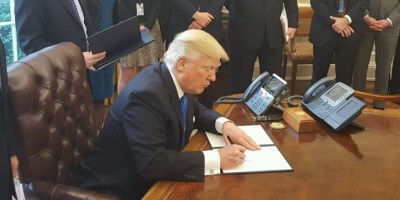
Obviously, this manipulation of the media is being utilised by other significant figures in society. However, our moral compass dictates where we believe the line needs to be drawn. Personally, I believe that Hanson’s opinions, as well as those of other figures such as the Westboro Baptist Church and Donald Trump, classify as hate speech. My point of view is that an opinion may be shared, as long as it is based on factual evidence. In regards to the three examples stated above, their opinions are based on ignorance and uncredited sources, and therefore makes their hateful comments invalid.
Hate speech to me is defined by a person’s disregard for the respect of another through an attack on their gender, religion, sexual orientation, race, ethnic origin or disability. If one can argue their own belief, while taking into consideration the integrity of the opposition, they can be distinguished as expending free speech. When one has an opinion, and then refuses to accept factual evidence and reflect on the opinion of others, or incites violence through their words, they can be believed to be preaching hate speech.
I believe that it is extremely obvious when a person is using free or hate speech. Do they have a large personal gain from their message? Do they blatantly call for violence or prejudice against another? Is their argument based on uncredited sources or deliberate lies? If the answer is ‘yes’ to the questions above, it is safe to assume that this source is using hate speech to relay their message.
To avoid getting caught in this trap, always make sure you collect as much information as possible, ensuring you have most, if not all opinions, and then make an educated decision.
Congratulations to Natalie for winning this writing challenge, answering: The Difference Between Free Speech And Hate Speech. Natalie wins a $50 Westfield gift card for her submission. For your chance to win, check out our latest writing challenges in our Comps section. Also, be sure to follow this guide on how to win the writing challenge!
Photo: iStock.
Topics
Ref: 34d6485c-5070-4df2-bab0-a6b00032a31a





Comments & Feedback
Share your opinion
Emoji cheatsheet Formatting Comment guidelines