What Makes A Feminist?
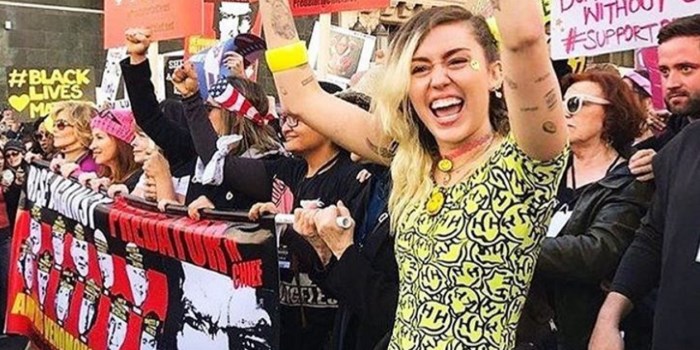
Following the ‘Women’s March’, we asked our members, “What makes a feminist?” Here’s one response.
First of all, to clear the air, feminism means: to advocate the equality of genders on the basis of women’s rights.
But how can millennials and baby boomers alike find common ground on what it takes to call yourself a feminist? Are there rules to follow? Or, just like most social or political debates, is it simply unfair to restrict such an issue to a set of guidelines?
On January 21, 2017, cities, countries and continents were overwhelmed by millions of people participating in the Women’s March; not only the public, like you and I, but numerous celebrities such as Emma Watson, Laverne Cox, Alicia Keys, Kerry Washington and Nick Offerman participated too.
#WomensMarch pic.twitter.com/dYZPxJ13FI
— Emma Watson (@EmmaWatson) January 22, 2017
No matter where you were today... We sent a powerful message! https://t.co/vj0j1Xvxvy #WomensMarch #WhyIMarch #WomensRightsAreHumanRights pic.twitter.com/wd8wM7D5hV
— Alicia Keys (@aliciakeys) January 21, 2017
I'm a nasty girl #WomensMarch pic.twitter.com/GjFriucGUY
— Nick Offerman (@Nick_Offerman) January 21, 2017
Even sister marches in Sydney and a large march in Melbourne occurred, bringing together people of all genders to support equality.
Alas, participating in a march isn’t enough. Calling yourself a feminist comes with a lot of responsibility, and being willing to have difficult conversations about inequality is one of them.
As well as this, feminism bears a delicate ground in racial issues. With the term ‘White Feminist’ targeting certain self-proclaimed feminist celebrities, it’s difficult to understand when racial privilege can get in the way of your ability to advocate women’s rights. Big names such as Miley Cyrus and Taylor Swift have been targeted with this phrase. Basically, it means that their fight as a feminist revolves around problems such as equal pay for white women, while (sometimes unknowingly) disregarding women of colour in the battle for equality.
To begin with, a good tip is to self-educate. Calling yourself a feminist isn’t necessary to stand up for women, though it may be an important factor for some.
Being a feminist is about advocating proper social and political structures to even the playing ground for all genders and races; not to bring one above the rest.
Feminism is an extremely weighty and serious issue. It’s also confusing. It may be difficult to filter through people’s opinions of feminists to decide whether you should call yourself one or not.
My advice? Start with changing your mindset on gender supremacy. Recognise inequality of races, and realise that the only way to achieve equality among all genders is to support each other, work together and treat everyone equally. That’s what being a feminist is really about.
Congratulations to Kaitlyn for winning our weekly writing challenge, answering the question: What Makes A Feminist? Kaitlyn wins a $50 Westfield gift card for her submission. For your chance to win, check out our latest writing challenges in our Comps section. Also, be sure to follow this guide on how to win the writing challenge!
Photo: Instagram (MileyCyrus)
Topics
Ref: d7870f3d-bfd2-4831-9805-a708006de0bd


Most Popular



Comments & Feedback
Share your opinion
Emoji cheatsheet Formatting Comment guidelines
Hi everyone so my comment about this post is this: femenists are men, women and children as young as 7 years old marching in the women's march in America who care about women's, men's and children's rights in this world one singer who marched in the women's march in America is Ariana Grande who marched with her family now that is what I call a passionate feminist who cares about everyone's right and that's the truth from Ariana Lockett.