What You Need To Know About The Zika Virus
Every year, everyone goes into a panic over a new virus.
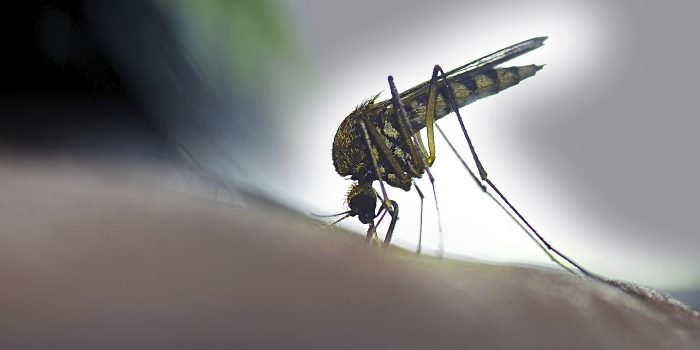
Last year, it was MERS-CoV. The year before was Ebola. Now it’s the Zika virus. This particular virus isn’t quite a household name yet, and many of those who have heard of it have no idea what it is. But one thing that’s getting people’s attention is that it’s travelling fast and possibly affecting newborn babies. With four cases of the virus in Australia this year - the latest discovered in a pregnant Victorian woman - it’s important to know more about it, how to avoid it and how serious it actually is. How is it passed along? The Zika virus is a disease that’s spread through the bite of an infected mosquito and was first isolated in 1947. Following an outbreak in Brazil in early 2015, the amount of cases has begun to climb significantly in 2016. The chain begins when a mosquito carrying the virus bites an individual and infects them; then, another mosquito becomes infected from that person’s blood, spreading it to another. And so on. How do I know if I have it? People with the virus may experience a mild fever, conjunctivitis and a skin rash, which may appear several days after being infected in one of the countries impacted by the virus. (You can find a full, regularly updated list here.) However, only one in five people infected with the virus will experience the symptoms, so they may not even noticed they are infected. What effect does it have on newborn babies? One of the biggest concerns is the impact the infection may have on newborn babies. Pregnant women who have travelled to infected countries may have been infected themselves, therefore infecting their unborn child, putting the foetus at risk of severe, life threatening birth defects. Since 2015, public health officials have recognised a link between Zika and the birth defect microcephaly. This condition is where a baby is born with an abnormally small head or the head stops growing after birth. This may lead to the child suffering from convulsions and disabilities as they grow older. The link between the virus and the condition is supported by recent evidence, which, while very likely, still isn’t verified as an effect of the illness. In Brazil, there are traditionally no more than a few hundred cases of microcephaly a year; however, in late 2015, 3,500 cases were suddenly reported. This means that in 2015, Brazil reported more than 20 times the usual annual amount of cases of the condition. Due to this increasing rate, pregnant women are urged to avoid travelling to infected countries, and women who live in those countries have been controversially advised to avoid getting pregnant all together (a protective measure that has been criticised by women’s rights advocates). Are babies the only ones in danger? No. Others are at risk of a different condition that is just as horrific. A rare neurological disorder, Guillain-Barre, also has seen an increase in cases since the Zika virus began to spread. It’s an auto-immune condition in which the nerves are attacked by the immune system. This can cause muscle weakness and paralysis, which usually disappears after a few weeks, but can have permanent effects. The exact cause of the disorder is unclear, but in most cases, those who suffer from the syndrome had experienced a virus, connecting the condition to the Zika virus. Where does Australia stand? As of this writing, there are no reported cases of microcephaly or Guillain-Barre in Australia. Also, Victorian Health Minister Jill Hennessy today told ABC News that there's "no risk to the public" as the Zika virus is not present in Australian mosquitoes. Still, precautions must be taken as the global rates of the virus continue to increase every day. Is there a cure? Fear of the virus continues to spread and the many questions of a cure don’t seem to help either. There is currently no cure or vaccination for it and it’s not known when there will be one. However, those who carry the virus are suggested to avoid being infected my mosquitoes by use of repellent and insecticides, as well as to treat the symptoms by staying hydrated and getting plenty of rest. How do we avoid infection? While there is no cure for the Zika Virus – yet - there are ways to prevent becoming infected. You must avoid getting bitten by covering up with clothing, using insect repellent - even use mosquito bed nets - stay in places with screen doors and reduce wet habits that promote breeding of mosquitoes. Again, there is no need to panic if you live in Australia and have not travelled to a country impacted by the virus. But at least now you know what the world is dealing with. Bianca Welsh-Jayne is one of Student Edge’s student contributors. Learn more about the contributors program.Topics
Ref: a1e7d2c3-f6ff-4097-8b24-a5aa0038e214






Comments & Feedback
Share your opinion
Emoji cheatsheet Formatting Comment guidelines