The Unreality Of Reality Television: How “UnREAL” Shows “The Bachelor” In A New Light
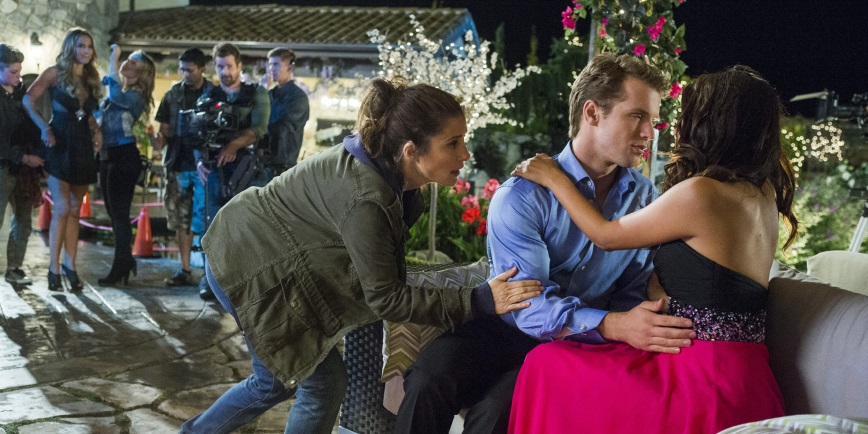
Reality television has always been marketed as, well, realistic, but most viewers recognise that real life will never match the dramatic events that ensue on reality programs.
However, when you become invested in these shows, it’s almost difficult to remember the long list of criticisms you had. Instead, we embrace our addiction, and for the duration of the show’s run, intently watch its characters the producers have moulded for the television screen.
The Bachelor, which is celebrating its 15th season in the US, and currently in its 3rd Australian season, has always courted controversy. The fact The Bachelor and spin-off The Bachelorette feature multiple people competing for one person’s affections has hindered the shows’ ability to market themselves as promoting “true” love. However, it has somewhat survived the test of time, maintaining its integrity as a show that appeals to ‘real people’.
UnREAL (a drama now streaming on Stan), co-created by a former producer of ‘The Bachelor’, has sought to shatter the illusions of televised love and the 'unreality' of reality television once and for all. It exposes the behind-the-scenes antics of a Bachelor-like show – titled Everlasting - exploring the façade of reality TV as its showrunners emotionally manipulate their contestants to fill stereotypes (gender and otherwise) like “villain”, “fan-favourite” and so on.It depicts the ubiquitous presence of cameras and probing producers, highlighting the way contestants draw conclusions only from the information they are provided (in an environment where technology and all connections to the outside world are broken). From the first episode of The Bachelor Australia’s third season, its very-own ‘villain’, Sandra, was unveiled. However, UnREAL reveals how crucial the ‘villain edit’ is to determining how the contestant is perceived, altering the context in which contestants react, and ensuring they are perceived in a negative light.
The drama has been praised by past contestants for its accuracy in portraying the goings on of the reality television process. Beyond that, the show has been critically acclaimed for shattering any illusions that intentions are always pure on the show, rather than a stepping stone to new opportunities - something UnREAL highlights by introducing a contestant who admits her main goal is media exposure. This has been echoed by the endless attention that occurred in the aftermath of Bachelor Australia’s season one “winners” Blake Garvey and Sam Frost’s breakup. All the attention received not only made them impossible to sympathise with, but sparked talk that the chain of events was simply a publicity stunt for the subsequent seasons to follow.
What’s most interesting, however, is not how UnREAL has dissected the reality television process, but how it suggests reality television completely changes the contestants’ lives upon return to the real world. Whilst the drama focuses primarily on the production of Everlasting, we viewers get to see the promotional material the producers intend to air – and it’s impossible not to sympathise with the individuals’ lives who could be vilified or praised for their portrayal.
“They knew what they signed up for,” is repeated several times throughout the course of the show by the morally dubious producers, yet, based on everything that occurs – the contestants truly don’t. UnREAL doesn’t just destroy the illusion of televised reality; it exposes the realness of it: that whilst reality television is loosely scripted, the consequences it has on its contestants are almost far too real to imagine.
The final episode of UnREAL's first season arrives on Stan this week. The Bachelor airs on Channel 10, Wednesday and Thursday evenings.
Emily Lam is one of Student Edge’s student contributors. Learn more about the contributors program.
Topics
Ref: 549a06bb-f0cb-4047-b82a-a4e90020a1bd




Comments & Feedback
Share your opinion
Emoji cheatsheet Formatting Comment guidelines