Uni Mental Health Day: Here Are Some Things You Can Do If You (or a Mate) Are Feeling Blue
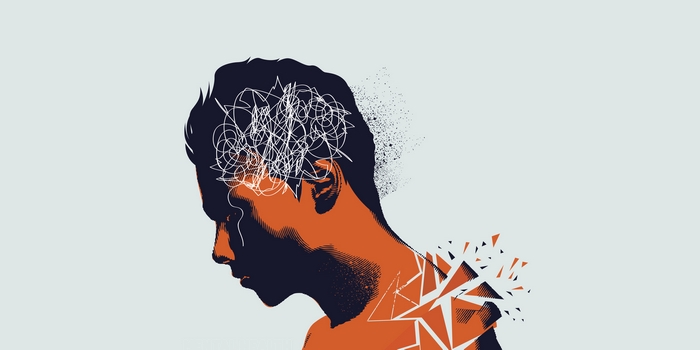
Trigger Warning: This article discusses depression.
Mental illnesses affect one in five Australians between the ages of 16 and 85, with almost 45 per cent of us facing a bout of mental illness at least once in our lives. With statistics like that, you would assume that the visibility of mental health illnesses and how to treat them would saturate every channel, but unfortunately, there's still some serious stigma surrounding the discussion of mental illness.
One group in particular faces an increased risk of developing mental illnesses: university students. This is due to a mixture of factors such as academic and social stress. In fact, 84 per cent of university students suffer from elevated distress levels, and 86 per cent of uni students severely affected by mental illness end up dropping out of their courses.
To help reach out to students, Uni Mental Health Day was started in the United Kingdom to raise awareness and visibility of mental health. Now in its fifth year, and having hit Australia's universities as well, Uni Mental Health Day aims to promote wellbeing and the avenues available at your institutions to seek advice and help.
Student Edge spoke to Josephine Anderson, the Clinical Director at Black Dog Institute, to see how to best face mental health adversity.
What can you do when you feel like your mental health isn't at its peak?
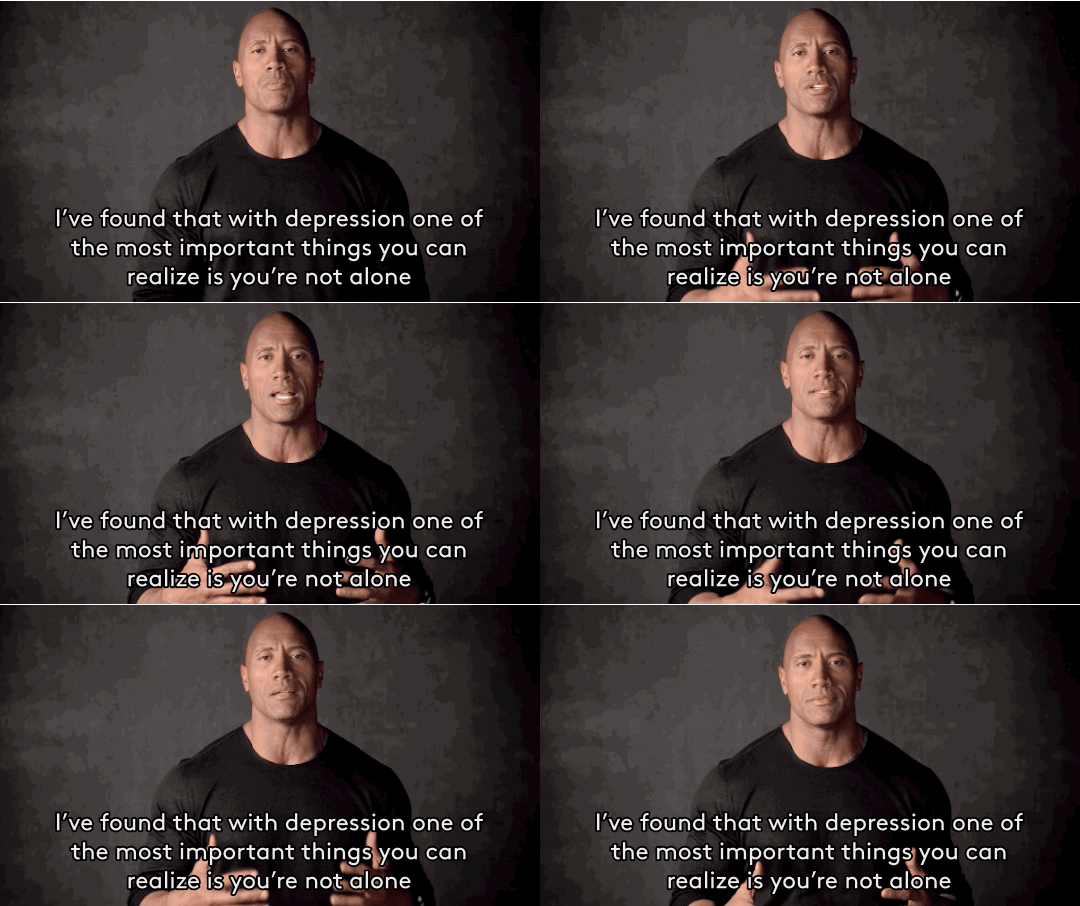
Josephine explains that, thanks to the internet, your first port of call should be a Google search.
"There's quite a lot of rubbish on the internet, but there also some very reputable websites that young people can visit to get accurate information from," Josephine explains. She recommends heading to sites like headspace and Beyond Blue, which have information specific to young people.
"People can access that any time in the privacy of their own space, it's free and that will also lead them to online treatments, many of which are also free and readily accessible to young people," Josephine adds.
Sites like Mindspot and Black Dog's myCompass offer free, online courses that give you tools to help manage your mental health episodes, while headspace offers an online chat service if visiting your GP or calling is too daunting.
But Josephine also reminds us that some cases might be best suited to face-to-face treatment, which is also very accessible for students.
"Young people shouldn’t be frightened to go to their general practitioner or on-site campus clinic and talk about how they're feeling and the range of options that are open to them for treatment," Josephine explains.
"Anxiety disorders and depression are very, very treatable and the earlier you get in, the more quickly you are likely to recover from those episodes of illness."
What can you do if a friend or family member isn't quite feeling their best?

While Josephine recognises that many people are quick to feel the need to come up with solutions for their family member or friend, she stresses that the most important step is to listen.
"The very best thing you can do is listen and encourage them to talk more about how they're feeling," Josephine says.
After all the listening has been done, the next step is to help them seek advice.
"As a friend, you can just start [looking for help] together, looking at what's available together online," she explains.
"Sometimes young people are anxious about going to see a doctor and speak about their mental health by themselves but feel much more comfortable if a family member or a friend goes with them."
What if they don't want to take your advice?
"If you're really fearful for someone's safety and that person evidently isn’t listening to you, then you do actually need to speak to someone else," Josephine cautions.
"If you're a young person you might speak to your parents, or a teacher or a lecturer or a school counsellor about your concerns."
There are also various helplines like Lifeline and Kid's Helpline that were created for exactly this purpose.
But Josephine adds some people will take a while to come around and that the best thing is to keep listening and communicating with them about their feelings.
"Keep it in the forefront of your own mind so that you continue to inquire about how they’re going; that will generally make people less reluctant to seek help," Josephine explains.
"The idea that somebody is genuinely concerned about them and is also helping them to find a way to get help is something that most people find reassuring.
"Make sure that the person understands that you are concerned about them and that there is a solution to the problems."
Healthy body, healthy mind.

Josephine says, generally, young people get into exercise and physical activity when they're at school, but often, after they leave school (and right when the onset of mental illness typically occurs: during mid-to-late adolescence) that dedicated exercise time drops off.
She believes encouraging and undertaking regular exercise can actually help prevent a lot of this.
"We can prevent, studies show, up to 12 per cent of the population from episodes of depression if the whole population exercised just one hour a week," Josephine mentions.
Uni Mental Health Day is being celebrated at certain universities around Australia. Check your university for more details.
If you or anyone you know needs help, support is available right now. Call Lifeline on 131 114 or Kids Helpline on 1800 551 800.
Visit ReachOut to get support to help you with everything from everyday issues through to tough times.
Photo: iStock.com/South_agency
Topics
Ref: 921bbe57-e349-46df-bb02-a8cf0075801c






Comments & Feedback
Share your opinion
Emoji cheatsheet Formatting Comment guidelines