The Upside Down: Why Bigotry Still Flies in the Online Gaming World
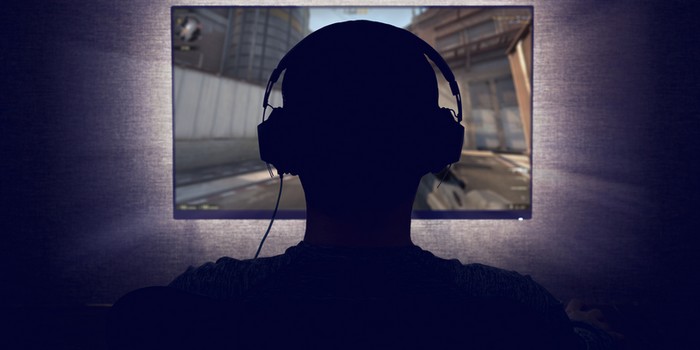
Online gaming has a bit of a problem.
It’s not lagging or slow internet speeds. It’s not over-priced games on Steam. It’s not even the fact that most games still only have white, male protagonists with a few notable exceptions (Tomb Raider, Assassin's Creed III, The Walking Dead: The Game).
No, the real problem with online gaming is its targeted abuse.
In this upside down world where the only way to determine the sex, sexuality and race of another player is through clues given by their avatar, chat voice and gaming handle, it seems a bit far-fetched.
Yet anyone who enters this online gaming space and doesn’t fit into the mould is often abused for it.
Take, for example, 2016’s Battlefield 1. While this wasn’t specifically an online gaming issue, many took to Reddit to complain about the game’s supposed 'black-washing' of American involvement in World War One. Those on Reddit claimed that because you could play as an African-American soldier—featured on the game’s cover—Battlefield 1 was pandering to progressive gamers while ignoring the fact that the majority of soldiers were white. (For the record, there are many WW1 and WW2 games that feature almost exclusively white soldiers.)
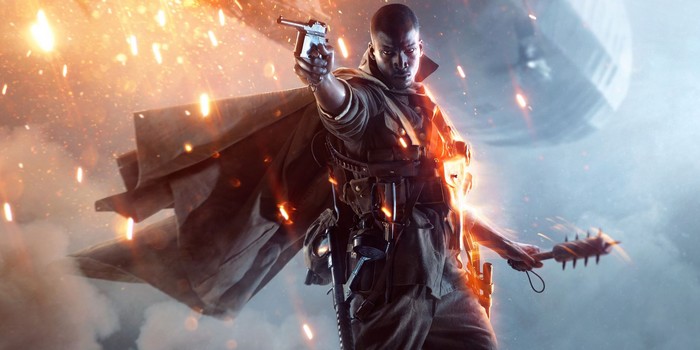
"Sad that they have to bend history to appease a cesspool minority," one gamer wrote.
"I feel like our culture is just being s**t down the drain to push the SJW [social justice warrior] diversity anti-western propaganda. Makes me sad," another gamer wrote.
So, why is intolerance in gaming culture so rampant in the upside down?
Dr. Evita March, a lecturer in psychology at Federation University, told Student Edge that she thinks this is due to some dark traits that certain gamers exhibit.
"People who engage in these behaviours [such as trolling] online are more likely to be male, more likely to have lower levels of empathy, higher levels of sadism," Dr. March says.
"I think anonymity certainly does make people feel empowered."
Studies have indeed shown that trolls, who are often the ones using bigoted terms, are indeed likely to be sadists in real life and that their internet personas are just the digital manifestation of their personality traits.
They form part of the 'Dark Tetrad', which includes sadism as well as narcissism, Machiavellianism and psychopathy. Dr. March also describes a term called deindividuation that comes into play.
"[It] means your individual status is removed and you almost become part of this faceless group," she explains. "When you do deindividuate people, they’re no longer solely accountable for their actions. They might take place in activities that they might not have done before."
But aside from the trolls with actual dark personality traits, are other gamers also engaging in these types of behaviours?
'Trash talk' (when players taunt and intimidate other players to belittle them and make them 'rage quit') is a common practice among those who don't necessarily demonstrate sadism or narcissism.
That phrase, however, is also often used to play down accusations of sexism, racism and homophobia, among other things. Many gamers will argue 'trash talk' is just a normal part of gaming, and if you want to join in, you just need to accept that it might be a little bit bigoted sometimes.
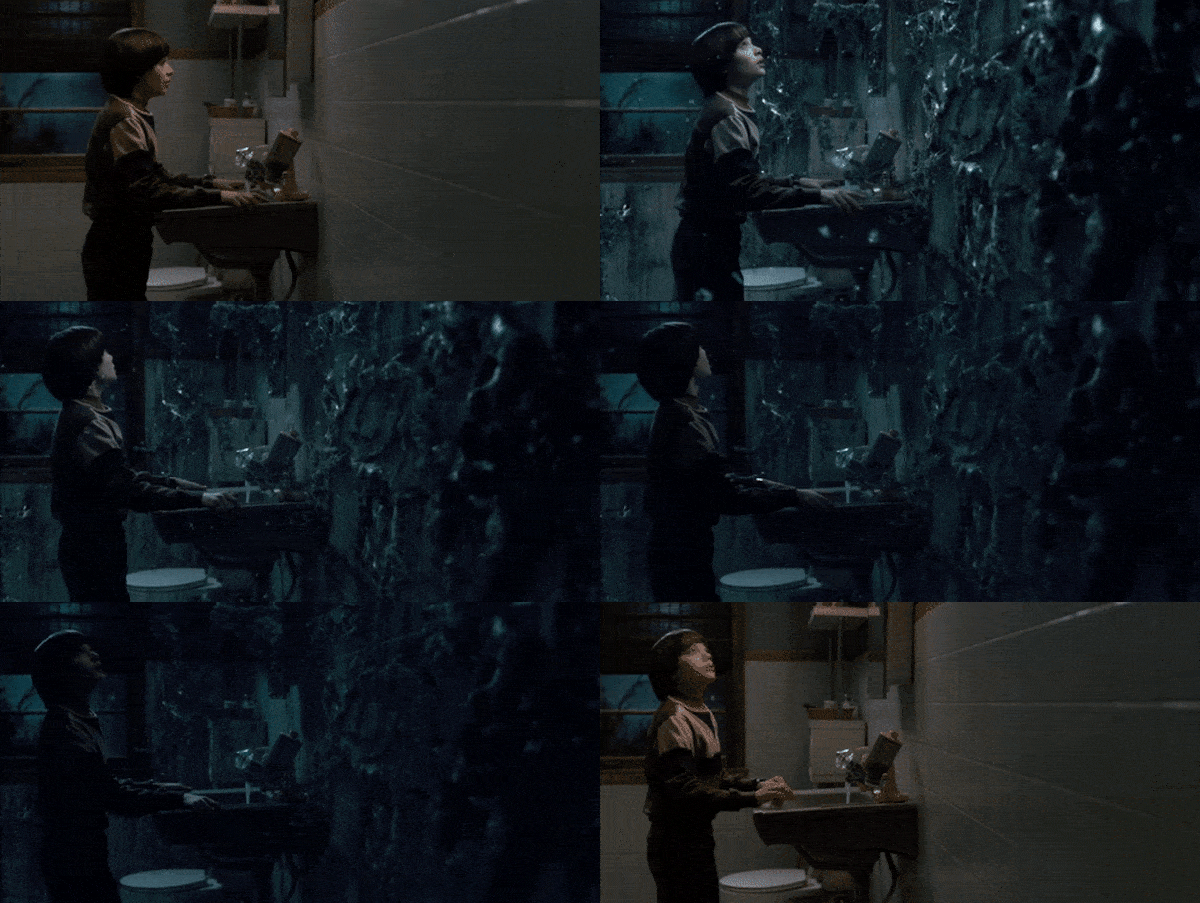
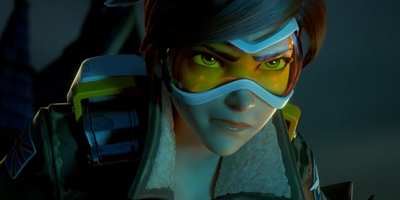
What the gaming world can feel like sometimes.
"I think you can express yourself without having to infringe on the esteem of somebody else," Dr. March points out.
"I don’t think there is an acceptable level [of trash talk] because it still is abuse in some form."
Dr. March argues that the issue with calling out abusive trash talk and bigotry online is that it essentially feeds the trolls. She questions whether it’s worth engaging and thinks you’re more likely to be successful by muting them or changing servers; or if it’s a server-wide issue, changing games.
"It’s really difficult not to take it personally, but the nature of their game is that if you ignore it at first, they’re going to up the ante," Dr. March explains.
While the intangibility of targeted insults can often leave some people feeling quite helpless, many gamers have taken matters into their own hands.
Some female gamers, who have been targeted purely because of their gender, hit back at the trolls by publicly shaming them on sites. Alannah Pearce, a writer at IGN, published screenshots of all the sexist remarks she received over the course of a month back in 2013. She also found that her abusers were often young boys, and contacted their mothers on social media to dob them in.
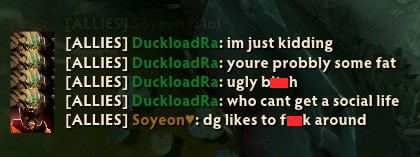
There are also groups like Gamers Against Bigotry, who ask gamers to make pledges against engaging in these kinds of behaviours. While they are largely inactive these days, they are a small, but concerted force pushing for change in the industry.
The problem remains, still, that many think online actions don't equal real-life consequences, and in many cases, that still rings true.
At the end of the day, a few fed-up gamers aren't going to change the status quo. It's up to the majority to realise that this abuse shouldn't fly in the 'real world', perhaps by reminding their buddy—who just abused someone with an accent for 'not speaking English', or a woman who they think should be making them a sandwich—that bigoted abuse is never cool.
Only then, will the upside down world of online gaming better reflect the 'regular world'.
Photo: iStock
Topics
Ref: 12b739b6-b2ce-4505-b1ad-a7a20054bd87





Comments & Feedback
Share your opinion
Emoji cheatsheet Formatting Comment guidelines