The Time Is Now to Upskill for a Career In Environmental Conservation
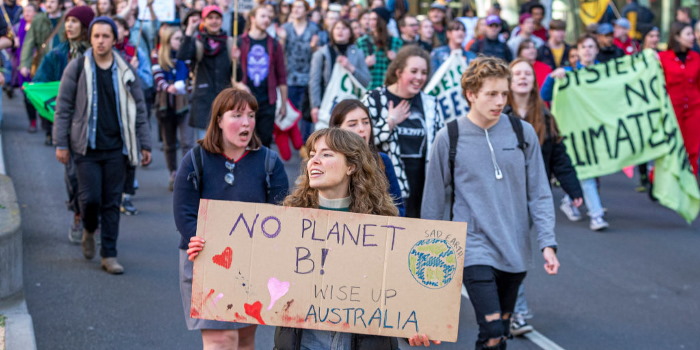
Become the environmental hero 2020 needs.
This post is presented in partnership with The University of Queensland.
Though COVID-19 has upended basically every element of our lives, there is—sadly—one thing that hasn’t been delayed or affected by coronavirus: our changing climate.
With governments and universities promoting the fastest growing jobs of the future to help battle unemployment, we shouldn’t forget that the fight for our planet will remain a priority for years to come. And even though it seems like a distant memory, the bushfires that ravaged most of the country occurred mere months ago, and across the globe California is again experiencing a devastating season of wildfires.
If you’re keen to understand why these events happen, help prevent them in the future, and make sure that there’s an environment to return to once COVID-19 is defeated, you may want to consider an Environmental Science pathway (especially if you’re re-evaluating your options for the future).
Here’s why… and what’s offered at The University of Queensland (UQ), in the state that’s home to many of Australia’s most precious environmental gems.

The health of the planet
While COVID-19 was getting the bulk of our attention this year, the environment unfortunately got pushed to the back of our minds.
Although coronavirus is a very serious issue that is still affecting most people today, it doesn’t take away the seriousness of the impacts that human actions have on natural ecosystems, species and the climate.
In fact, the climate is just one of the many environmental issues that affect the planet, animals and communities daily. Deforestation, ocean dead zones, animal species extinction and excessive pollution are just a few of the many concerns affecting our planet on top of climate change.
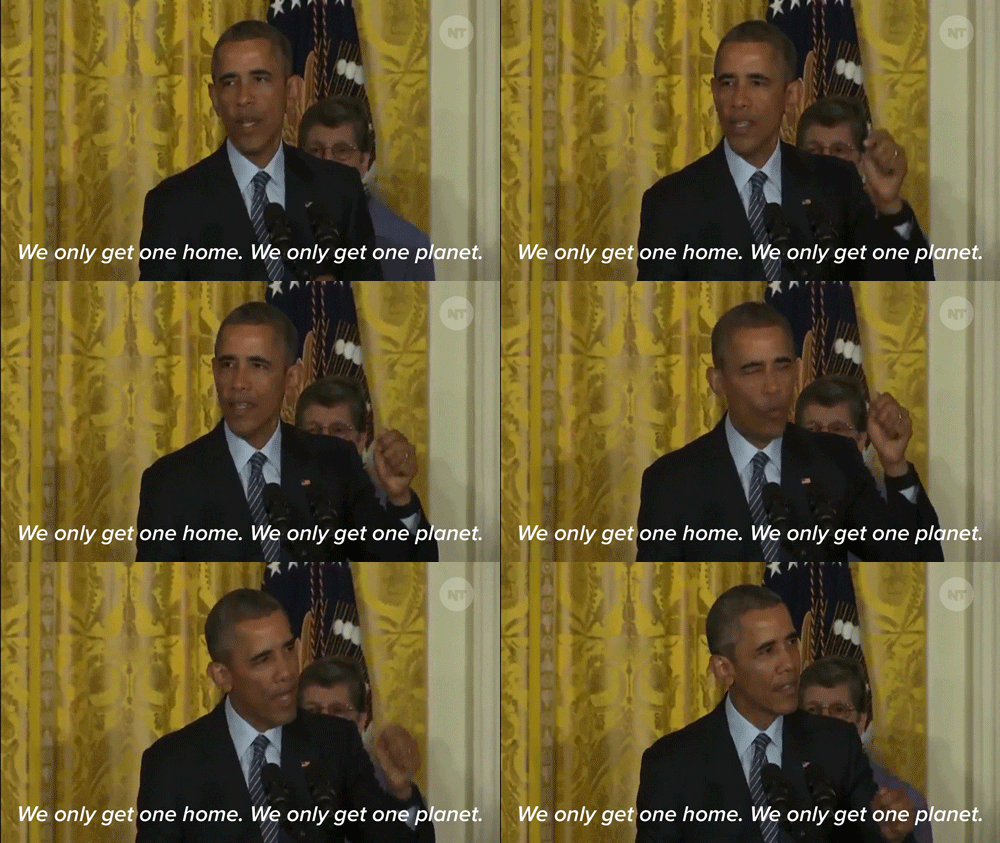
There have been many claims made about climate change and its effects on the future of our planet, by scientists and specialists all over the globe, but as we have seen, catastrophic events just like the Australian bushfires of 2019 and 2020 prove that things are definitely worsening.
For example, some of the major contributors to the exacerbation of the bushfires were the risk of our fire prevention methods; human industry, like logging, causing drier lands; and the change of our climate evident by one of the hottest, driest summers Australia had ever experienced.
If these issues worry you or you are wanting to make a difference to the future of the planet, now is the best time to look into what environmental courses are going to help you save the planet while broadening your career.
Why UQ?
Now is the best time to upskill in the environmental sciences, and when it comes to gaining the know-how to save the planet, look no further than The University of Queensland.
UQ is one of Australia’s leading research and teaching institutions working with and educating remarkable people for more than a century.
UQ is particularly well known for its courses and research in Conservation and Environmental Science, ranked first in the world for Biodiversity Conservation, as well as fourth in the world and first in Australia for Environmental Science/Ecology.
Environment and conservation students at UQ also benefit from excellent research facilities, including Heron Island Research Station on the Great Barrier Reef and Moreton Bay Research Station on Stradbroke Island.
What's offered at UQ?
One of the best things about UQ is that they offer a bunch of really diverse post graduate courses that are perfect for anyone looking to change their career path.
When it comes to environmental conservation study, UQ offers a great range of programs that may be particularly attractive for students looking for a professional change. Believe it or not, you can actually get into the two-year Master of Environmental Management with any Bachelor degree and the right GPA! If you have an undergraduate degree in a similar discipline, you may be able to complete your Masters even sooner.
If you’re keen, you can check out UQ’s full range of environmental courses on their website but here are a few of our recommendations that are perfect for upskilling:
- Two-year Master of Environmental Management. With this course you can develop the analytical and strategic skills to tackle climate change, pollution and land clearing, and as a plus, this course comes with no discipline-specific prerequisites.
- One-and-a-half-year Master of Environmental Management. Similar to the two-year course, you will focus on climate and pollution issues, and with courses like these you can access unique biodiversity hotspots and fascinating ecosystems, ranging from coral reefs to World Heritage rainforests.
- One-year Master of Conservation Biology. Studying this program will allow you to learn the science of conservation, ecology and biodiversity to find effective solutions in securing the world's biological diversity.
- One-and-a-half-year Master of Conservation Science. With this course you can discover the scientific methods used to analyse, quantify and make decisions about environmental preservation, integrating conservation, ecology and biodiversity, with a focus on the problems of restoring and maintaining viable populations of animal and plant species, and natural and managed ecosystems.
UQ offers a range of innovative, applied programs and courses in environmental sciences. Find out more here!
CRICOS 00025B
Header Image: Daniel Pockett via GettyImages
Topics
Ref: 6da628c8-dc4f-464d-98d7-ac21001c4052



Most Popular



Comments & Feedback
Share your opinion
Emoji cheatsheet Formatting Comment guidelines
lol